Lecture 19: Crisis, Crash, and Response
TL;DR
The 2008 financial crisis led to the collapse of major banks, government bailouts, and a regulatory response. The response included the enactment of the Dodd-Frank law, but big banks still had significant influence over the regulation process.
Transcript
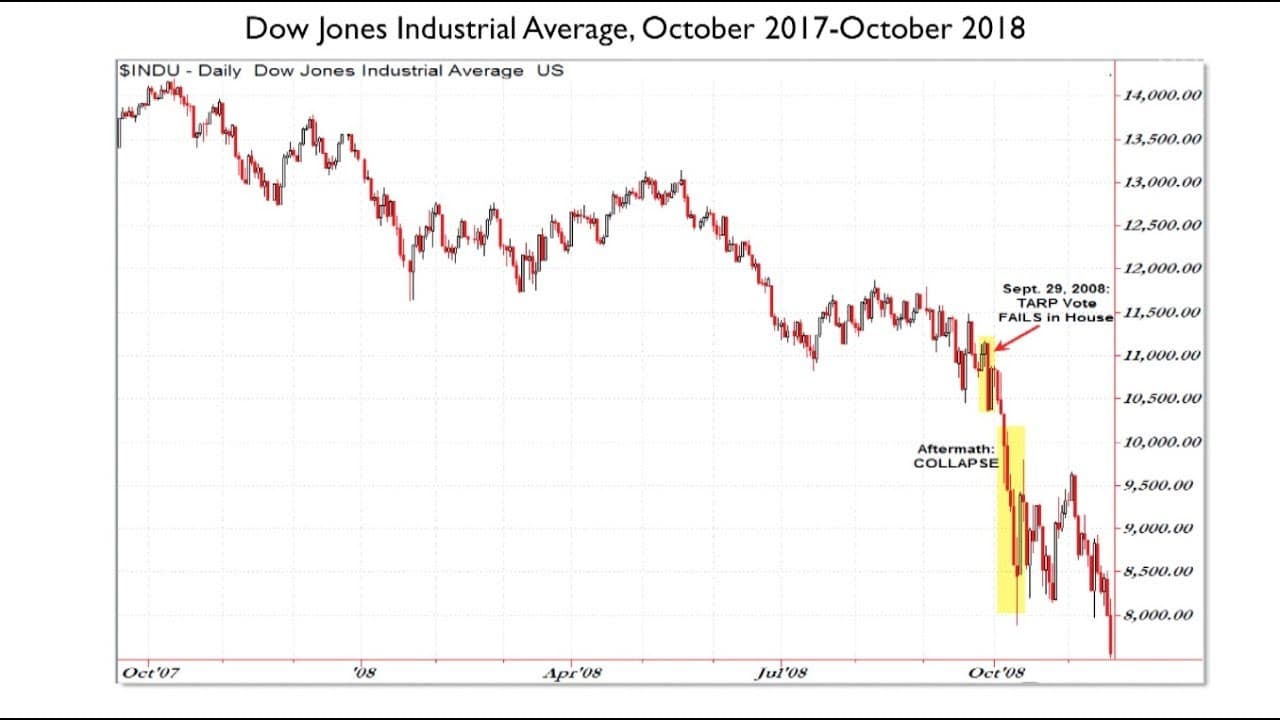
- So, today, we're talking about crisis, crash and response. So just to remind us of where we were in September of 2008. - [Narrator] This is gonna be one of the watershed days in financial markets history. - [Narrator] It was a manic Monday in the financial markets. The Dow tumbled more than 500 points after two pillars of the street tumbled over ... Read More
Key Insights
- 🙈 Technocratic regulation assumes there are clear answers to regulatory issues based on economic analysis, but it often ignores the role of power, politics, and ideology in shaping outcomes.
- 😃 Stigler's theory suggests that big firms and producer interests dominate the regulatory process, using their lobbying power to shape regulations and protect their own interests.
- 🪟 Coffee's voter-oriented model highlights the intermittent nature of voter sentiment and the limited windows of opportunity for regulatory change.
- 😃 The regulatory response to the 2008 financial crisis was influenced by all three perspectives, with big firms dominating the process, intermittent voter concerns, and technocratic analysis guiding certain aspects.
- 🛩️ The regulatory response did not fully address concerns of consumers and smaller institutions, and the influence of the financial industry resulted in weakened regulations and administrative challenges.
Install to Summarize YouTube Videos and Get Transcripts
Explore YouTube Video Summarizer or Get YouTube Transcript Extractor
Questions & Answers
Q: How did the government respond to the 2008 financial crisis?
The government responded to the crisis by implementing various measures, including the Troubled Asset Relief Program (TARP) to bail out troubled banks, the American Recovery and Reinvestment Act to stimulate the economy, and the enactment of the Dodd-Frank law to regulate the financial industry.
Q: How did the big banks influence the regulatory response?
Despite the regulatory response, big banks still had significant influence over the legislation and regulations. They lobbied heavily and managed to prevent or weaken certain regulations, such as the Volcker Rule. The regulatory process was also affected by the intense lobbying after the bill's passage and during the rule-writing stage.
Q: Did the regulatory response address the concerns of consumers and smaller institutions?
The regulatory response did include consumer protection measures, such as the creation of the Consumer Financial Protection Bureau. However, lobbying efforts from the financial industry resulted in administrative structures that were challenging to implement effectively. Smaller institutions faced barriers to entry due to the regulations enacted.
Q: How did the political climate and weak parties affect the regulatory response?
The political climate and weak parties impacted the regulatory response. The Obama administration faced limited time and support from Republicans in Congress, which influenced the content and timing of the regulatory response. The need to address voter concerns also influenced certain aspects of the response, such as the inclusion of consumer protection measures.
Summary & Key Takeaways
-
In September 2008, Lehman Brothers filed for bankruptcy, causing the financial markets to crash and leading to the liquidation of the company. Merrill Lynch also faced difficulties and had to merge with Bank of America.
-
Three of the five largest independent firms on Wall Street disappeared within six months: Bear Stearns, Lehman Brothers, and Merrill Lynch.
-
The response to the crisis included the creation of the Troubled Asset Relief Program (TARP), the American Recovery and Reinvestment Act (stimulus package), and the enactment of the Dodd-Frank law.
Read in Other Languages (beta)
Share This Summary 📚
Summarize YouTube Videos and Get Video Transcripts with 1-Click
Try YouTube Summary with ChatGPT & Claude or YouTube Transcript Generator
Explore More Summaries from YaleCourses 📚



Summarize YouTube Videos and Get Video Transcripts with 1-Click
Try YouTube Summary with ChatGPT & Claude or YouTube Transcript Generator