What Is the Genesis of Nations and How Do They Form?
TL;DR
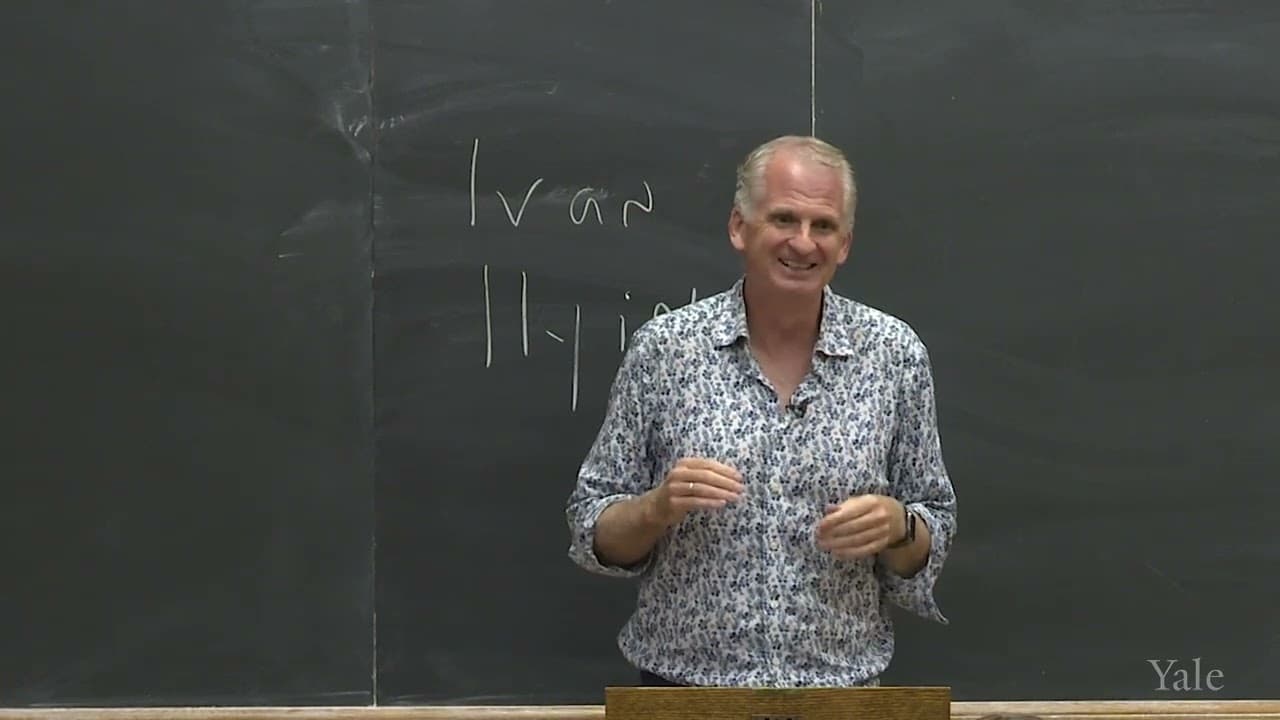
Nations form as modern social constructs that emerge from complex historical processes, claiming a narrative of continuity with the past. This narrative often obscures the reality of their creation, making their origins difficult to unravel. Debates about national identity include considerations of ethnicity and political commitment, emphasizing the role of education in shaping collective consciousness.
Transcript
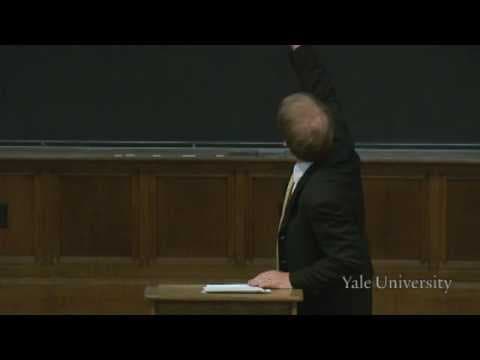
(solemn music) - But today is a kind of second introductory lecture where we're gonna be thinking about the origins of the nation in particular, as with last time, I'm gonna toss you some what I think are softballs, but also feel free to raise your hand and interrupt, because that can help me when I understand that something's really not coming acr... Read More
Key Insights
- 😑 Nations are not static or pre-existing entities but are politically constructed and shaped by historical processes.
- 🍝 The nation's claim to the past can obscure historical realities and create a sense of continuity.
- 💅 The formation of nations involves debates about ethnicity, political commitment, and the inclusion of diverse groups, such as the Polish nobility, Jews, and urban populations.
Install to Summarize YouTube Videos and Get Transcripts
Explore YouTube Video Summarizer or Get YouTube Transcript Extractor
Questions & Answers
Q: How do nations come into existence?
Nations emerge as a result of modernization and the entrance of the people into politics, leading to new forms of solidarity and political ideologies.
Q: How does the education system contribute to national consciousness?
The education system provides self-evident answers about national history, reinforcing the nation's story and shaping individuals' understanding of their national identity.
Q: What historical processes influence the formation of nations?
Urbanization, capitalism, and literacy play significant roles in modernization, which generates new forms of solidarity and challenges traditional political systems.
Q: How do the theories of Marxism and nationalism intersect?
Marxism and nationalism emerged around the same time and were in dialogue with each other. Both theories grappled with the challenge of incorporating the people into politics but differed in their perspectives on the nation's role in socialist transitions.
Summary & Key Takeaways
-
The formation of nations raises questions about the transition from non-existence to existence and how social forms come into being.
-
Nations lay claim to the past and tell a story that may not align with historical reality, making it challenging to understand the origins of nations.
-
The education system plays a significant role in shaping national consciousness by providing self-evident answers about national history.
Read in Other Languages (beta)
Share This Summary 📚
Summarize YouTube Videos and Get Video Transcripts with 1-Click
Try YouTube Summary with ChatGPT & Claude or YouTube Transcript Generator
Explore More Summaries from YaleCourses 📚


Summarize YouTube Videos and Get Video Transcripts with 1-Click
Try YouTube Summary with ChatGPT & Claude or YouTube Transcript Generator