How to Prevent Late Client Revisions Effectively
TL;DR
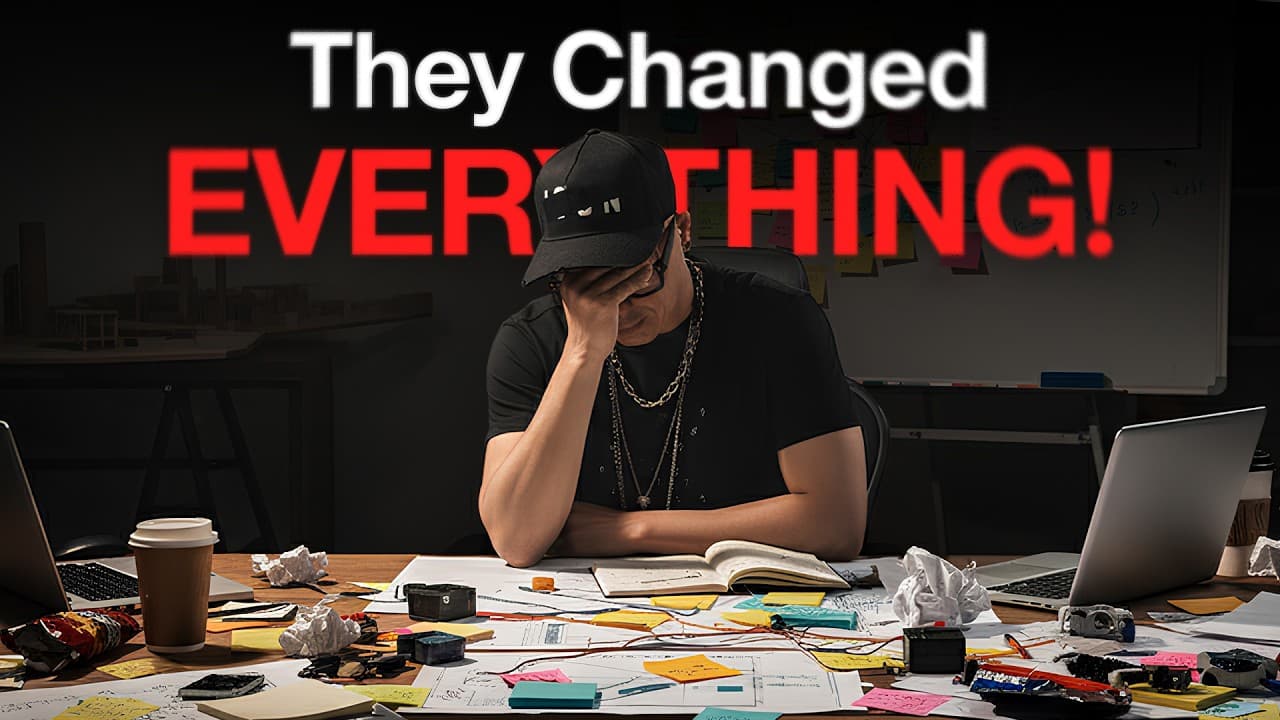
Create clear early outcomes and invite honest feedback to prevent late changes. Use low commitment, high fidelity stylescapes to align expectations and allow clients to say no. Establish boundaries and explain that revisions are cheaper early, and encourage open dialogue to uncover true needs before moving forward.
Transcript
Why do clients change their mind late in the decision creative process? Do you know why? Go ahead. Because the proposal is not clear with the outcome. Okay. Proposal might not be clear in the outcome. Yes. Possibly ask the wrong questions. Yes. Possibly ask the wrong questions. Now, here's the thing. I will tell you if you've ever been a client in ... Read More
Key Insights
- Stylescapes serve as a low commitment, high fidelity reference to set expectations.
- Invite clients to say no as a powerful, truthful input that drives clarity.
- Clarify the decision points early to avoid late stage revisions.
- Power dynamics can silence true feedback; making space for no improves transparency.
- Ask negative questions to uncover genuine buy in rather than forced agreement.
- Explain that changes are cheaper earlier in the process, not at the end.
- Different teams have different approval stages; align on when changes are welcome.
- Protect time and money by defining how many changes are acceptable at each stage.
- More videos from this channel:
- More from this channel: The Futur
Install to Summarize YouTube Videos and Get Transcripts
Explore YouTube Video Summarizer or Get YouTube Transcript Extractor
Questions & Answers
Q: What are stylescapes and why use them in client projects?
Stylescapes are low commitment, high fidelity references used at the start of a project to align expectations and reduce ambiguity. By presenting multiple direction options, they help clients articulate likes and dislikes early, enabling a quick, honest assessment of what should be pursued. This reduces costly changes later and creates a shared language for feedback.
Q: How can you invite honest feedback from clients without triggering conflict?
Create a safe space for truth telling by explicitly inviting feedback and labeling opinions in simple terms like love or hate. Explain that input is essential and that you will interpret it into your world. This approach lowers fear of conflict and encourages clients to voice concerns before design directions are locked in.
Q: Why is later stage feedback more expensive, and how to prevent it?
Late changes are expensive because they require rework of already built assets and timelines. Prevent this by defining early what may change, using stylescapes, and scheduling clear input points. Emphasize that changes are cheaper at the beginning and set expectations that late alterations will be minimized or priced differently.
Q: What role does the power dynamic between producer and client play in revisions?
Power dynamics can silence clients or discourage them from saying no. By acknowledging your power and inviting no, you empower clients to refuse problematic directions without feeling stupid. Creating that openness leads to more accurate alignment and fewer late revisions.
Q: How does asking for no improve decision making with clients?
Asking for no gives clients control and reveals true alignment. The negative question approach prompts a genuine yes only if there is true commitment, while the no response confirms boundaries and feasibility. This method reduces the chances of false acceptance and wasted effort on unfavorable directions.
Q: What is the recommended point in the process to gather client input and changes?
Input should be gathered early in the process when proposals are still adaptable. Establish specific stages for feedback and emphasize that changes here are inexpensive. If changes occur later, explain the increased cost and potential impact on timelines to manage expectations and protect both parties.
Q: How should you handle a client who wants many changes but has budget constraints?
Acknowledge budget limits and offer a structured plan: limit the number of major revisions, propose staged milestones, and discuss what can be achieved within the budget. Provide options and trade offs, such as delaying certain changes to a later phase, to maintain progress while honoring constraints.
Q: What is the value of using a proactive communication framework in design projects?
A proactive framework clarifies outcomes, expectations, and feedback channels from the start. It reduces ambiguity, discourages costly scope creep, and helps both sides stay aligned. By promoting open dialogue and early problem solving, you protect time, money, and the quality of the final deliverable.
Summary & Key Takeaways
-
A clear early outcome and explicit feedback loop reduce costly late revisions while aligning client expectations with the designer’s vision.
-
Stylescapes provide a low commitment reference point that helps clients say yes or no, preventing ambiguity and expensive mid process changes.
-
Framing change requests as early, optional steps and inviting honest dialogue preserves time and money for both client and creator.
Read in Other Languages (beta)
Share This Summary 📚
Summarize YouTube Videos and Get Video Transcripts with 1-Click
Try YouTube Summary with ChatGPT & Claude or YouTube Transcript Generator
Explore More Summaries from The Futur 📚





Summarize YouTube Videos and Get Video Transcripts with 1-Click
Try YouTube Summary with ChatGPT & Claude or YouTube Transcript Generator