How to use scarcity in marketing to boost event sales

TL;DR
Scarcity should be used by controlling supply and signaling intent to spark interest. Limit event capacity to create urgency, then publicly announce potential plans to gather interest and build a waitlist. Use these signals to move from idea to concrete details and drive faster sales while aligning with audience culture across cities.
Transcript
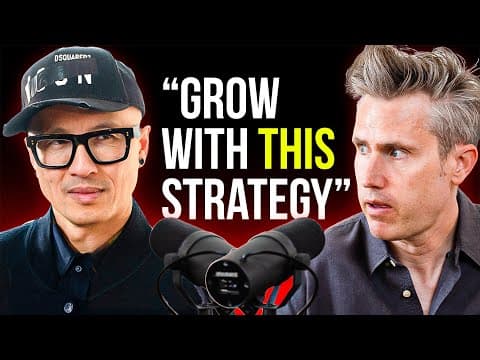
in this episode I'm going talk about scarcity and how you can use scarcity to help you boost an event that you're trying to promote Professor Galloway Professor g talks about what you can learn from luxury Brands which is something they've mastered to create artificial scarcity in a mass-produced mass consumption world how is it that we can create ... Read More
Key Insights
- Scarcity works by controlling supply to create demand rather than relying on impulse buys.
- Announcement signals are used to test interest and invite participation without committing to a final plan.
- Waitlists and early interest lists act as a social proof mechanism and pacing tool for ticket sales.
- Selling out quickly is the goal, and adding subsequent dates can sustain momentum after an initial sellout.
- Localization matters; each city has a unique culture and beliefs that affect pricing and engagement.
- Publicly displaying interest and community feedback helps validate feasibility before finalizing details.
- Collaboration with local spaces and influencers can secure venues and promotions more smoothly.
- A structured, layered approach from idea to final details reduces risk of financial loss from no-shows or empty venues.
- More videos from this channel:
- More from this channel: The Futur
Install to Summarize YouTube Videos and Get Transcripts
Explore YouTube Video Summarizer or Get YouTube Transcript Extractor
Questions & Answers
Q: How to use scarcity to boost event signups?
To use scarcity for signups, start by underselling the event capacity to create a sense of limited availability. Announce that you are considering a date or city to invite feedback and gauge demand. Use a waitlist and a clear call to action that invites people to join when the event is finalized. This approach converts interest into a tangible list of potential attendees and sets the stage for a rapid sellout when tickets go live.
Q: What is the role of signaling in this strategy?
Signaling involves publicly indicating that you are considering hosting an event and asking people to express interest. This helps you measure demand without committing to a specific plan. The signal creates anticipation and a sense of potential scarcity, encouraging early engagement and enabling you to adjust dates, cities, and content based on real feedback.
Q: How can waitlists improve conversions for high ticket events?
Waitlists work by converting curiosity into a queued interest that can be activated when details are ready. They provide social proof that others are interested and create urgency when you announce exact dates, locations, and pricing. For higher priced offerings, waitlists give potential buyers time to discuss, compare options, and still feel they are first in line, which boosts conversion later.
Q: Why is local culture important when planning events abroad?
Local culture shapes attendees’ expectations about pricing, payment behavior, and engagement. Understanding these nuances allows you to tailor marketing, language, and even logistics to fit each city. Misreading a culture can lead to mismatched expectations, lower attendance, and a failed event, so conducting culture-aware planning is essential for international success.
Q: How can you use public crowds to influence venue choices?
Show potential attendees a list of cities and invite feedback on where to host. People tend to become more committed when they participate in the decision. If feedback favors a particular city or venue, you can adjust your plan accordingly, which increases the likelihood that the final choice will sell well and meet audience expectations.
Q: What are practical steps to avoid a financial disaster in event planning?
Begin with limited capacity and a flexible plan for scaling up if demand is high. Gather continuous feedback, test pricing and dates, and secure venues through local partnerships. Use a staged approach from idea to finalized details, ensuring you only commit to arrangements once enough interest exists to cover costs.
Q: How can you ensure content resonates across different cities?
Consult locals and use prompts to learn about money beliefs, client relationships, and market expectations in each city. Adapt the workshop content, language, and examples to fit local context. This preparation helps prevent misalignment and keeps attendees engaged across diverse cultural settings.
Q: What logistical strategies help sustain momentum after initial interest?
Coordinate with local influencers or podcasters to amplify the message and attract attendees. Create a clear pathway from initial interest to ticket purchase by sharing updates, finalizing dates, and revealing curriculum and pricing. This keeps the community engaged and ready to act when tickets become available.
Summary & Key Takeaways
-
Scarcity tactics boost perceived value by limiting availability and creating anticipation around an event. The approach emphasizes controlled capacity, public signaling, and crowd feedback to shape decisions.
-
The speaker stresses designing with the community, not just for them, and iterating from idea to concrete details based on real responses from potential attendees.
-
Successful execution requires tailoring messaging to local cultures, leveraging partnerships for venues, and using waitlists to convert interest into faster ticket purchases.
Read in Other Languages (beta)
Share This Summary 📚
Summarize YouTube Videos and Get Video Transcripts with 1-Click
Try YouTube Summary with ChatGPT & Claude or YouTube Transcript Generator
Explore More Summaries from The Futur 📚





Summarize YouTube Videos and Get Video Transcripts with 1-Click
Try YouTube Summary with ChatGPT & Claude or YouTube Transcript Generator