Who Is Polluting the Ocean With Plastic?
TL;DR
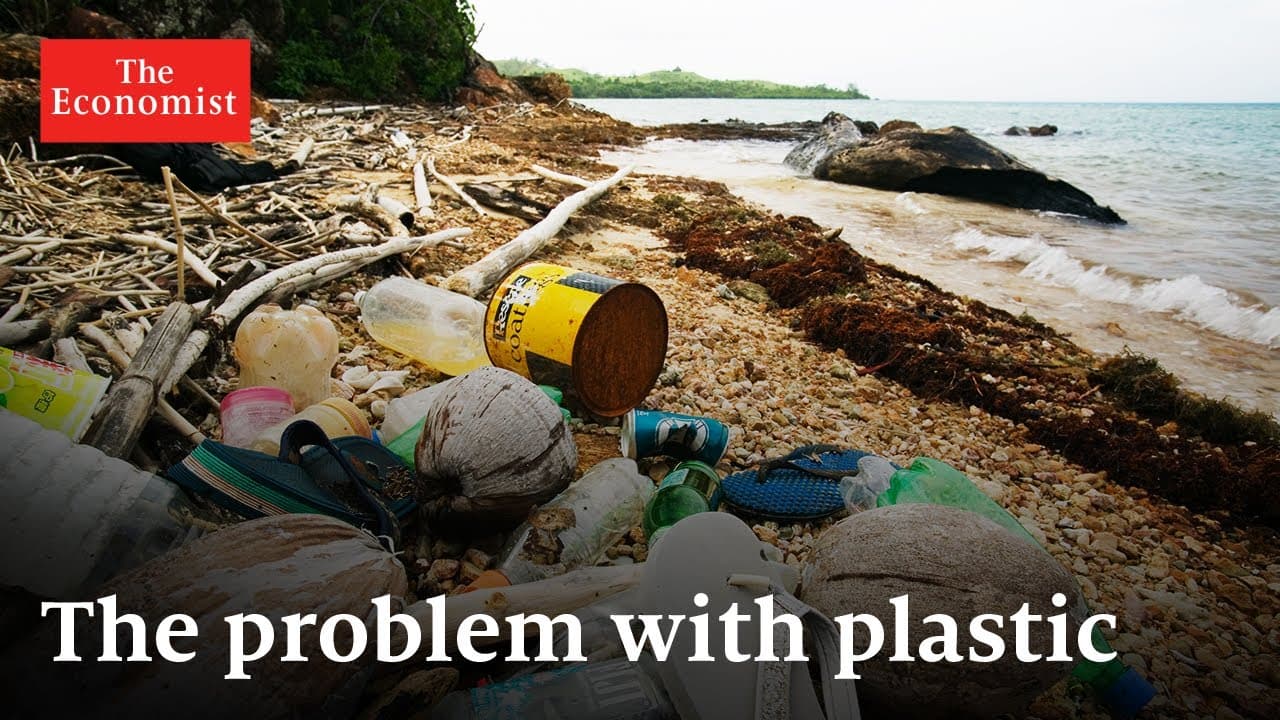
Most ocean plastic comes from major polluting rivers in Asia and industrial fishing rather than the small islands where much of it washes ashore. Pacific island countries produce less than 1.3% of mismanaged ocean plastics, while currents carry distant waste to their coastlines. The consequences include damaged fishing, tourism, coral habitats, and turtle nesting beaches. Read on to see how currents spread the debris and which solutions are working.
Transcript
plastic waste is piling up in the world's landfills sewer systems and in the ocean plastic pollution is destroying life in the ocean a gigantic swell of trash floating in the Pacific Ocean and human Coastal communities we see plastic everywhere some of the places being hit hardest are small island States small island developing States contribute mi... Read More
Key Insights
- Small island developing states (SIDS) have a combined population of just 65 million but suffer plastic pollution disproportionately because it damages the fishing and tourism industries their economies depend on.
- Humans produce around 350 million tons of plastic waste per year, a figure projected to almost triple by 2060, and an estimated 11 to 14 million tons ends up in the ocean.
- Pacific island countries produce less than 1.3% of the mismanaged plastics in the world's oceans, yet are one of the main recipients because ocean currents carry plastic onto their shores.
- Ocean currents move plastic so that much stays near shores while some collects in five subtropical gyres, located in the North Pacific, North Atlantic, South Pacific, South Atlantic, and Indian Ocean.
- On the uninhabited Aldabra atoll in the Seychelles, scientists found the majority of waste by weight came from industrial fisheries, including ropes, nets, buoys, and barrels; they removed 25 tons, an estimated 5% of the total.
- Vanuatu was one of the first countries to enforce a single-use plastic ban in 2018, cutting banned items from 25 to 35% of recorded beach litter down to just 2%.
- Globally only 9% of plastics are recycled, 19% are incinerated, 22% are mismanaged, and 50% end up in landfill, and most plastics can only be recycled two or three times before becoming unusable.
- Researchers at the University of Portsmouth are engineering plastic-eating enzymes that break plastics into their original component molecules, enabling infinite recycling cycles back into virgin-like material.
Install to Summarize YouTube Videos and Get Transcripts
Explore YouTube Video Summarizer or Get YouTube Transcript Extractor
Questions & Answers
Q: Who is polluting the ocean with plastic?
Research suggests the biggest sources are rivers in polluting countries in Asia, while industrial fishing is another major contributor. Pacific island countries produce less than 1.3% of the mismanaged plastics in the world’s oceans, yet they are among the main recipients of this pollution.
Q: Why are small island developing states hit especially hard by plastic pollution?
Plastic pollution damages fishing and tourism, two industries on which many small island economies depend. These states have a combined population of just 65 million and contribute minimally to many environmental challenges, but ocean currents deposit substantial amounts of distant waste on their shores.
Q: How much plastic waste is produced, and how much reaches the ocean?
Humans produce around 350 million tons of plastic waste each year, and that amount is projected to almost triple by 2060. An estimated 11 to 14 million tons enters the ocean annually.
Q: How does plastic travel to distant islands?
Ocean currents transport plastic from one location to another, with much of it remaining near shorelines. Some debris eventually collects in five subtropical gyres in the North Pacific, North Atlantic, South Pacific, South Atlantic, and Indian Ocean, while other waste washes onto island coastlines.
Q: What did scientists discover on Aldabra atoll in the Seychelles?
Because Aldabra is uninhabited, none of the plastic found there originated on the atoll itself. The majority of the waste by weight came from industrial fisheries, including ropes, nets, buoys, and barrels; researchers removed 25 tons, which they estimated was only 5% of the total.
Q: How does ocean plastic affect wildlife and coastal communities?
In Fiji, plastic was reported around coral where fish had previously lived, making the pollution a concern for local fishing communities. On Aldabra, plastic clogged turtle nesting beaches so severely that it discouraged turtles from nesting, while pollution also harms the tourism economy of small island states.
Q: How effective was Vanuatu’s single-use plastic ban?
Vanuatu began enforcing a single-use plastic ban in 2018 and later expanded its restrictions. Banned items fell from 25–35% of recorded beach litter before the bans to just 2% afterward.
Q: Can plastic-eating enzymes improve recycling?
Researchers at the University of Portsmouth are engineering enzymes that break plastics into their original component molecules. The approach could enable repeated recycling into virgin-like material, addressing the limitation that most plastics can currently be recycled only two or three times before becoming unusable.
Summary & Key Takeaways
-
Small island developing states like Fiji, the Seychelles, and Vanuatu face plastic pollution that damages their fishing and tourism economies. Despite contributing minimally, their coastal populations see plastic smothering coral, driving away fish, and clogging turtle nesting beaches, revealing the disproportionate burden these small economies carry.
-
Most ocean plastic does not originate on small islands. Pacific island countries produce under 1.3% of mismanaged ocean plastics, but currents deposit debris from countries such as Indonesia, India, and Sri Lanka onto their shores, while rivers in polluting Asian countries and industrial fishing are the biggest global sources.
-
Solutions range from beach cleanups, which stop plastic breaking into microplastics, to single-use plastic bans now in over 120 countries. Better recycling is vital since only 9% is recycled globally, and scientists are developing plastic-eating enzymes to enable infinite, virgin-quality recycling cycles.
Read in Other Languages (beta)
Share This Summary 📚
Summarize YouTube Videos and Get Video Transcripts with 1-Click
Try YouTube Summary with ChatGPT & Claude or YouTube Transcript Generator
Explore More Summaries from The Economist 📚



Summarize YouTube Videos and Get Video Transcripts with 1-Click
Try YouTube Summary with ChatGPT & Claude or YouTube Transcript Generator