How to read typography and logos like a designer
TL;DR
Typography and logos convey feelings, patterns, and information that shape how people perceive a brand. A good logo refresh can update a brand without losing its core vibe, and early, utilitarian branding can be enough to start with before expanding later. The designer offers practical signs and steps to evaluate or refresh a logo and its assets.
Transcript
Most people are better at understanding the feelings and sensations that typography and logos give us than they give themselves credit for, because what we are as people are endless absorbers of patterns, and information, and all this kind of stuff as we move throughout the world. We don't take time to sit and digest it, but it's still coming i... Read More
Key Insights
- Typography choices trigger specific feelings and impressions in viewers and users, and understanding this can guide design decisions.
- A strong logo and brand assets can generate internal and external excitement about a product by signaling what to expect from the experience.
- Logo refreshes are often more practical than complete overhauls for startups, especially when resources are limited and pivots may occur later.
- Brand work should fit the stage of the company; early on, shallow, quick visuals are acceptable, while later growth may justify more sophisticated updates.
- A logo should be a true reflection of the product and team, not the sole driver of culture; the product itself should lead the brand.
- The cover or branding should communicate insight into the interior content, setting tone and expectations for users before engagement.
- Utilitarian branding fixes can fix scalability issues and improve avatar versions without losing the original vibe that excited early users.
- Effective branding balances creativity with business needs, ensuring that visuals support, not hinder, potential pivots or changes in strategy.]
- Q_and_A:[{
- question+answer pair format will be continued in the next section to fulfill eight pairs.
Install to Summarize YouTube Videos and Get Transcripts
Explore YouTube Video Summarizer or Get YouTube Transcript Extractor
Questions & Answers
Q: What is the main role of a logo and brand assets in a startup, according to the designer?
The main role is to generate internal and external excitement and to tell people what to expect from the product, while the product and team drive the core value. Logos and brand assets should support the vision without being the sole determinant of a company’s culture, allowing room for practical evolution as the business grows.
Q: When does the designer suggest a brand refresh is more appropriate for a startup?
A refresh is appropriate when the company is about to roll out a greater look and feel, such as expanding a beta website or app, or when the existing visuals no longer scale well, or lack a strong avatar. It’s also sensible if the brand needs to address utilitarian fixes before a broader rollout.
Q: How does the designer view early branding work for startups with limited funds?
She views early branding as a practical, potentially minimal effort that can be expanded later. Startups shouldn’t spend venture money on a complete brand exploration before hiring or before stability, since initial visuals can be simple yet effective and refined later when needed.
Q: What is described as the effect of typography on branding in the discussion?
Typography is described as giving a felt impression that helps shape how a brand is perceived. The right type choices influence the emotional response of audiences, making typography a powerful tool in setting the brand vibe and expectations before users engage with the product.
Q: What problem can a good logo refresh help address in a product’s branding?
A good refresh can fix inconsistencies, scale issues, and weak avatars, while preserving what originally excited people. It helps align the look with the current direction and ensures the branding supports future growth without alienating early supporters.
Q: What considerations does the designer mention about pricing logo work?
The designer notes that pricing should balance the need for quality with the realities of the company stage, especially for startups. She emphasizes addressing utilitarian improvements and avoiding overinvestment early on, ensuring growth can justify more sophisticated branding later.
Q: How does the designer describe the relationship between a brand and its audience during a refresh?
During a refresh, the goal is to smooth out the existing vibe while addressing concerns that arise from growth and expansion. The refreshed look should maintain excitement and expectations for the audience, guiding perception without erasing the original energy.
Q: What is said about AI's impact on the design world in the conversation?
The discussion notes that AI is affecting the design field but does not claim it replaces human designers. It suggests considering how AI may influence workflows, tooling, and collaboration, while maintaining core human creativity in typography and branding.
Summary & Key Takeaways
-
This episode explains how typography and logos influence brand perception, and why logos can be refreshed rather than rebuilt from scratch. It discusses practical indicators that a brand needs an update and how to preserve core identity during evolution, balancing practicality with aspiration.
-
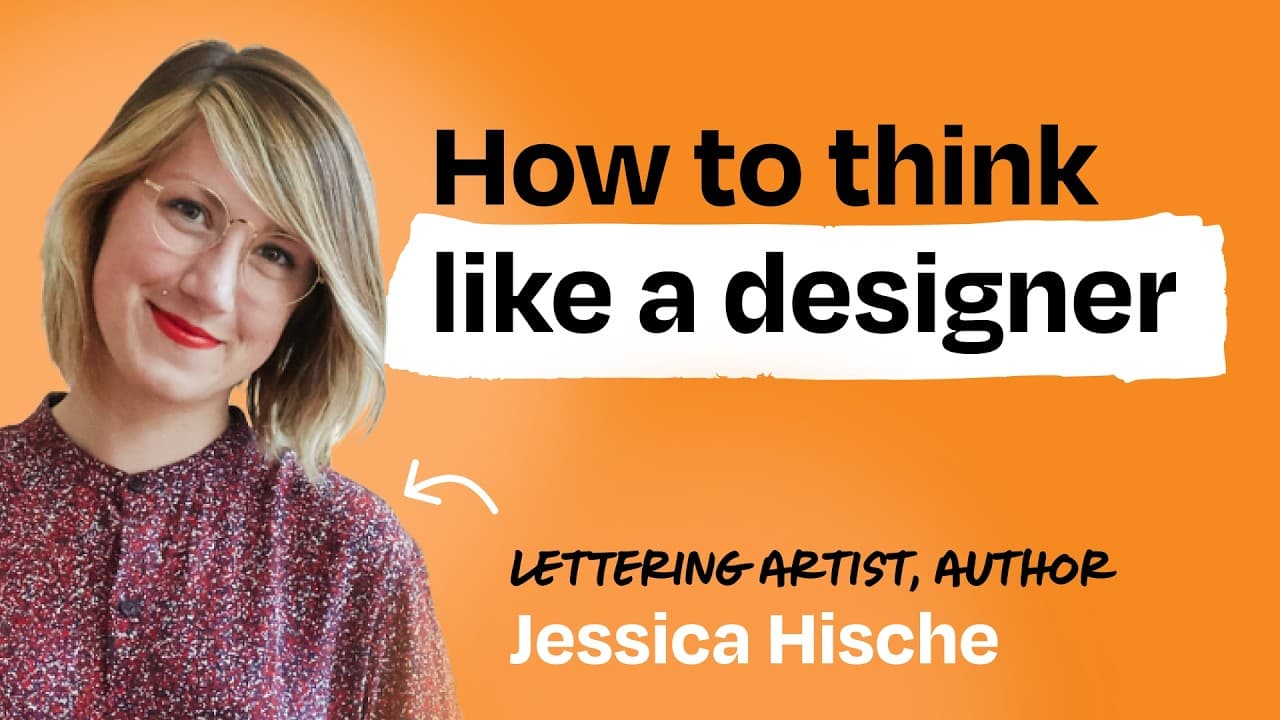
Jessica Hische shares her process for updating a logo and brand, including when to refresh and how to address utilitarian issues so the look scales without losing the original energy and excitement.
-
The conversation covers typography psychology, pricing philosophy for logo work, and how AI is changing the design world, ending with practical takeaways for product teams considering branding decisions.
Read in Other Languages (beta)
Share This Summary 📚
Summarize YouTube Videos and Get Video Transcripts with 1-Click
Try YouTube Summary with ChatGPT & Claude or YouTube Transcript Generator
Explore More Summaries from Lenny's Podcast 📚


Summarize YouTube Videos and Get Video Transcripts with 1-Click
Try YouTube Summary with ChatGPT & Claude or YouTube Transcript Generator