What Causes Brain Rot Content and Why It Matters
TL;DR
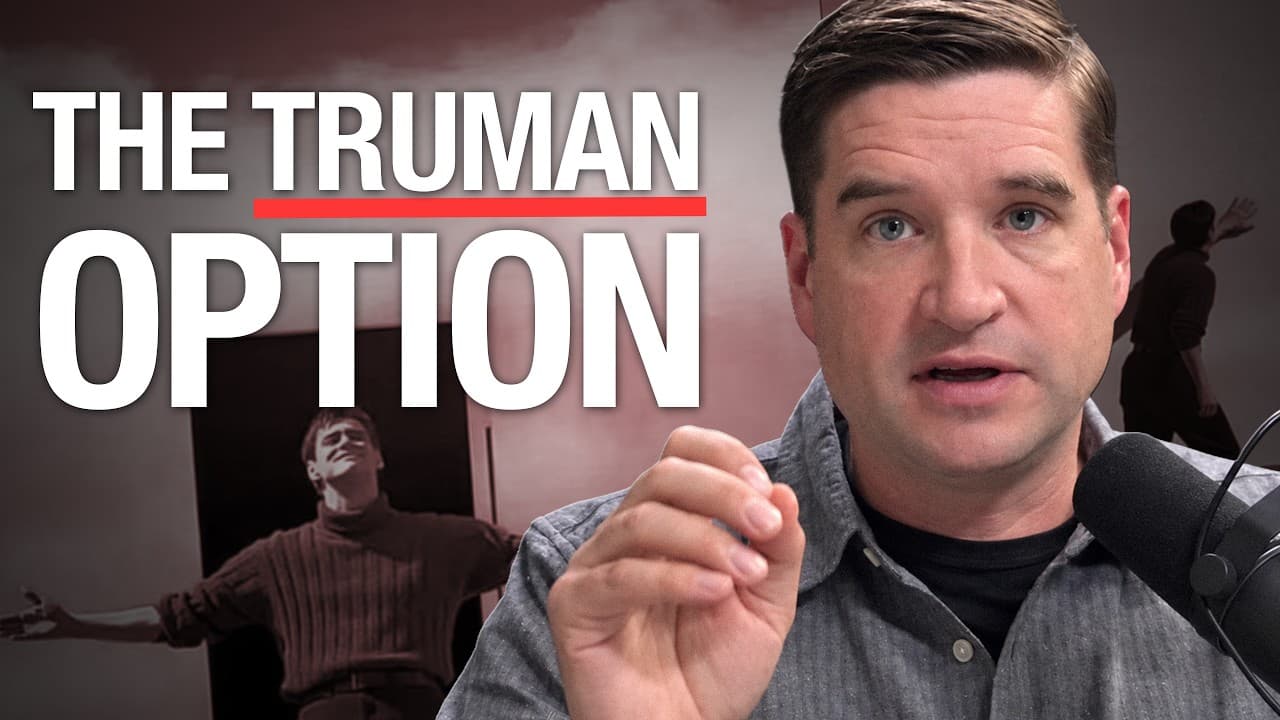
Brain rot is a form of meaning free, meme driven content that Gen Z uses as a protest against the attention economy. The NYT op ed argues this content reveals how social media treats focus as a commodity and that this rejection is both a coping mechanism and a critique. A 1990s cult film is suggested as a potential path forward, offering cultural insight and solutions.
Transcript
I want to talk about [music] brain rot. Now, to my middle-aged millennial brain, when I think about brain rot, I think about it as something that happens to your brain. Like, if you scroll too much, you begin to reduce your cognitive capacity. But, Jinz has a another definition for this term. They use brain rot to describe a specific type of video ... Read More
Key Insights
- Brain rot is defined as content that refuses to participate in the attention economy by being deliberately meaningless, a form of rebellion against monetized scrolling.
- The article argues that Gen Z views brain rot as a way to reclaim autonomy in a system designed to measure every moment for ad revenue.
- Attention economy mechanisms push engagement over quality, making brain rot a recognizable protest against monetization rather than a simple fad.
- Gen Z’s behavior reveals a broader critique of digital life where connectivity is hollow and monetized, yet deeply felt as a personal truth.
- The phenomenon is described as a mix of honesty amid manipulation, a nihilistic response to an artificially optimized online world.
- Romanticizing brain rot is warned against; the underlying ambivalence shows a generation aware of manipulation but feeling powerless to escape it.
- The piece frames brain rot as a signal flare, not a full cultural replacement, indicating both resilience and resignation.
- A potential forward path is suggested by turning to cultural artifacts from the past that address media saturation and offer alternatives.
Install to Summarize YouTube Videos and Get Transcripts
Explore YouTube Video Summarizer or Get YouTube Transcript Extractor
Questions & Answers
Q: What is brain rot and how is it defined in the video?
Brain rot is described as content that is aggressively devoid of meaning and deliberately resists narrative or purpose. It is presented as a reaction to the attention economy, where platforms monetize user focus. The phenomenon is seen as both a form of protest and a coping mechanism for Gen Z within a system that maximizes engagement at the expense of quality.
Q: Why do Gen Z viewers engage with brain rot content according to the NYT op ed?
Gen Z understands that everything online is content and that the attention economy extracts value from their time. Brain rot acts as a form of rebellion against monetization, offering a way to be free online by consuming content so absurd that it cannot be easily monetized, which is perceived as a kind of honesty in a dishonest system.
Q: What role does the New York Times op ed play in the analysis?
The op ed frames brain rot within the larger context of how social media models treat user attention as a commodity. It provides quotes about the revenue incentives behind engagement and explains how brain rot signals a mismatch between user needs for meaningful content and platforms incentives to maximize time on site.
Q: How is brain rot connected to the concept of attention economy?
Brain rot uses absurdity to refuse participation in an economy that values time spent over content quality. By embracing meaningless or silly videos, it highlights the tension between genuine curiosity and the platform driven incentives to keep users scrolling for advertising revenue.
Q: What comparison is drawn between Gen Z and previous generations?
The video links Gen Z’s behavior to historical patterns of subcultures that rejected mainstream culture, such as Dada, by using irony and anti aesthetic expression. This comparison suggests a recurring pattern where younger generations resist commodified culture through increasingly digital, meme driven forms.
Q: What potential solution or path forward is discussed?
A path forward referenced in the video is to look to cultural artifacts from the past, such as a late 1990s cult classic film, to understand problems in the present and to identify possible avenues out of the attention economy through storytelling that preserves meaning while resisting commodification.
Q: What cautions are given about brain rot as a phenomenon?
The analysis warns not to romanticize brain rot, emphasizing that the ambivalence and despair expressed by viewers reflect deeper systematic manipulation. The phenomenon is a signal of the digital system’s limits and the difficulty of escaping a world designed to monetize attention.
Q: Why is the term brain rot considered a meaningful critique beyond entertainment?
Brain rot is seen as a cultural symptom illustrating how digital life can erode meaning while exposing structural issues in media ecosystems. It serves as a critique of the attention economy, the algorithms, and the monetization forces that shape what people consume, and it prompts inquiry into more sustainable forms of online engagement.
Summary & Key Takeaways
-
Brain rot content is described as aggressively devoid of narrative or message, serving as a reaction to monetized online attention. It is framed as both a protest and a resignation within the digital system.
-
The New York Times op ed is cited to explain how platforms extract attention for advertising revenue, shaping what counts as engaging online content.
-
A cultural reference to a late 1990s cult film is used to illustrate possible solutions or alternative narratives to brain rot and a way out of the current attention economy.
Read in Other Languages (beta)
Share This Summary 📚
Summarize YouTube Videos and Get Video Transcripts with 1-Click
Try YouTube Summary with ChatGPT & Claude or YouTube Transcript Generator
Explore More Summaries from Cal Newport 📚





Summarize YouTube Videos and Get Video Transcripts with 1-Click
Try YouTube Summary with ChatGPT & Claude or YouTube Transcript Generator