How to Progress Faster With Five Practical Methods
TL;DR
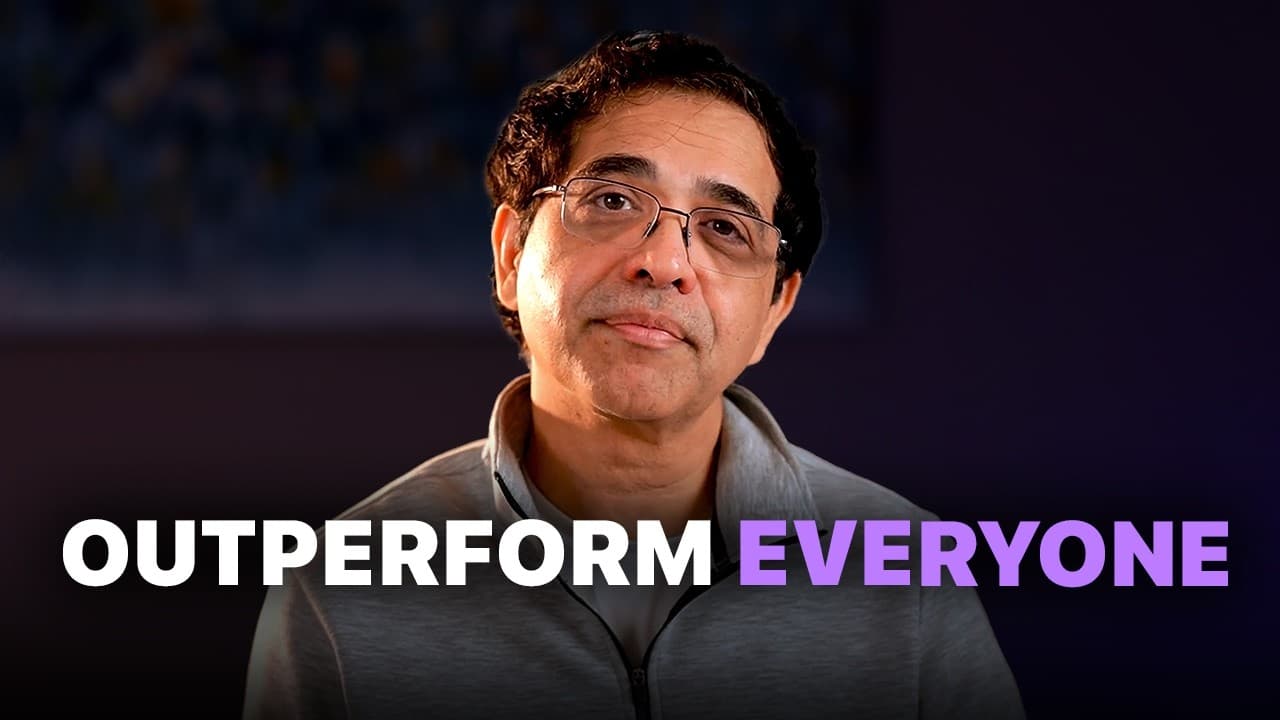
Progress faster by quitting poor-fit situations, reconnecting with intrinsic motivation, deliberately seeking discomfort, building strong networks, and shedding identities that limit action. Apply these methods through the quit quotient, daily rituals, weekly challenges, consistent outreach, and honest reflection on labels that no longer serve you.
Transcript
I went from being homeless to a monk to a CEO. And these five methods help me progress faster, be insanely successful, and outperform everyone around me. And these will drastically change your life. Number one, the most important skill you'll ever learn is knowing when to quit. You know, we've all had that job that drags us down or that relationshi... Read More
Key Insights
- Knowing when to quit is presented as a critical growth skill because remaining in a draining environment can weaken energy, creativity, confidence, and interest. Leaving a poor fit creates more time to invest in work, relationships, projects, and habits that support compounding progress.
- The quit quotient is a three-part assessment of drive, fit, and growth, with each dimension scored from 1 to 10. A total above 24 indicates a strong fit, 16–23 calls for further testing, and 15 or less signals a poor fit.
- Intrinsic motivation is the inner reason that sustains effort when external rewards such as money, fame, status, promotions, equity, or subscribers are absent. Meaning, growth, purpose, and contribution provide the clarity and stamina needed to continue through rejection and uncertainty.
- Daily rituals can reconnect a person with intrinsic motivation by changing the internal story they repeatedly hear. Slow breathing, gratitude, vivid visualization of future potential, and mentally sending love or positive energy can shift the inner monologue toward a more constructive state.
- Deliberate discomfort is a method for training resilience because difficult experiences can produce benefits after the immediate struggle has passed. The suggested practice is to undertake a challenging activity weekly, such as a 3-mile run, cold shower, heavy lift, or avoided project.
- Sustained effort can rebuild confidence after serious setbacks, as illustrated by the year-long routine used after failing every course in a final college year. Working in 90-minute periods with 30-minute breaks demonstrated that an apparently severe situation could still be turned around.
- Networks accelerate progress through compounding relationships, introductions, opportunities, and learned behavior. Consistent outreach, asking for help or connections, contributing before requesting, and spending time with calm, articulate, or sharp people can influence both access and personal conduct.
- Identity shedding is the practice of releasing labels that restrict participation in unfamiliar roles. New identities do not require immediate mastery or complete readiness, but adopting them can open access to new skills and environments while allowing an outdated self-concept to end.
Install to Summarize YouTube Videos and Get Transcripts
Explore YouTube Video Summarizer or Get YouTube Transcript Extractor
Questions & Answers
Q: How can I know when it is time to quit?
Evaluate the situation across three dimensions: drive, fit, and growth. Ask whether the work inspires or drains you, whether the environment contains people who invest in your development, and whether staying will open valuable future doors. Score each dimension from 1 to 10. A combined score of 15 or less indicates a poor fit that should be left as quickly as practical.
Q: What is the quit quotient and how does it work?
The quit quotient is a framework for evaluating work, relationships, projects, or habits. It combines three 1–10 scores: drive measures personal inspiration or depletion, fit measures whether the surrounding culture supports learning and compounding, and growth measures future opportunities. Totals above 24 are green, 16–23 are yellow and should be tested again after 3 to 6 months, and 15 or less are red.
Q: Why does intrinsic motivation help people progress faster?
Intrinsic motivation gives effort an internal reason based on meaning, growth, purpose, or contribution. Unlike promotions, money, fame, status, equity, or subscribers, it can keep a person engaged when external rewards are delayed or never arrive. The transcript argues that this inner why creates clarity and stamina, helping people remain active through rejection, uncertainty, and periods when continued effort otherwise seems difficult to justify.
Q: How can I strengthen my intrinsic motivation each day?
Use small daily rituals that reconnect you with your original reason for acting. The suggested routine includes slow breathing to reset your biochemistry, gratitude for both large and small parts of life, and vivid visualization of a future self expressing greater potential. Mentally sending love and positive energy to other people can also change your inner monologue, even if those people never know about the practice.
Q: How does seeking discomfort build resilience?
Seeking discomfort trains you to enter difficult situations voluntarily instead of waiting until hardship becomes unavoidable. The goal is not necessarily to perform well, but to take the plunge and become more capable of facing strain. Weekly challenges can include 3-mile runs, cold showers, heavy lifts, or an avoided task or project. Benefits may emerge later by strengthening confidence and nervous-system resilience.
Q: What study about cold immersion is mentioned?
The transcript cites a systematic review of 11 studies involving more than 3,000 participants. It says cold immersion did not reduce stress immediately, with stress reduction appearing about 12 hours after exposure. The example supports the broader argument that the value of discomfort may arrive after the difficult experience rather than during it, just as present challenges may strengthen resilience for situations encountered years later.
Q: How can I build a network that accelerates my growth?
Make relationship building a continuing priority by reaching out every week, asking for help or connections, and asking how you can contribute. Identify people who make you sharper simply through proximity, then spend more time with them. Show up with contributions instead of only requests. The transcript presents networks as chains that create further introductions while also transmitting calmness, clarity, articulation, and effective behavior.
Q: How can I shed an identity that limits my progress?
Identify a label you repeatedly use that prevents action, such as believing you are not a coder, leader, marketer, or capable speaker. Write down the identity that no longer serves you and allow it to end, including the grief associated with releasing it. Then enter the new role before feeling completely ready or worthy, because adopting a different identity can provide access to new skills and rooms.
Summary & Key Takeaways
-
The first method is learning when to quit jobs, relationships, projects, or habits that drain energy and restrict growth. The quit quotient evaluates drive, cultural fit, and future opportunities on 1–10 scales, helping distinguish situations worth strengthening from unclear fits that need testing or poor fits that should be left quickly.
-
The next methods focus on internal strength and deliberate challenge. Intrinsic motivation connects effort to meaning, growth, purpose, and contribution, while breathing, gratitude, visualization, and positive thoughts can reinforce that connection. Weekly discomfort, including difficult exercise or avoided projects, builds confidence that setbacks can be confronted and reversed through sustained action.
-
Networks and identity changes provide further acceleration. Valuable relationships create chains of introductions, opportunities, and behavioral learning, especially when approached through contribution and requests for help. Identity shedding removes limiting labels, making room for unfamiliar roles, skills, and environments before confidence or readiness arrives. Progress requires permitting both endings and new beginnings.
Read in Other Languages (beta)
Share This Summary 📚
Summarize YouTube Videos and Get Video Transcripts with 1-Click
Try YouTube Summary with ChatGPT & Claude or YouTube Transcript Generator
Explore More Summaries from Sandeep Swadia 📚





Summarize YouTube Videos and Get Video Transcripts with 1-Click
Try YouTube Summary with ChatGPT & Claude or YouTube Transcript Generator