How to build rented, earned, and owned confidence
TL;DR
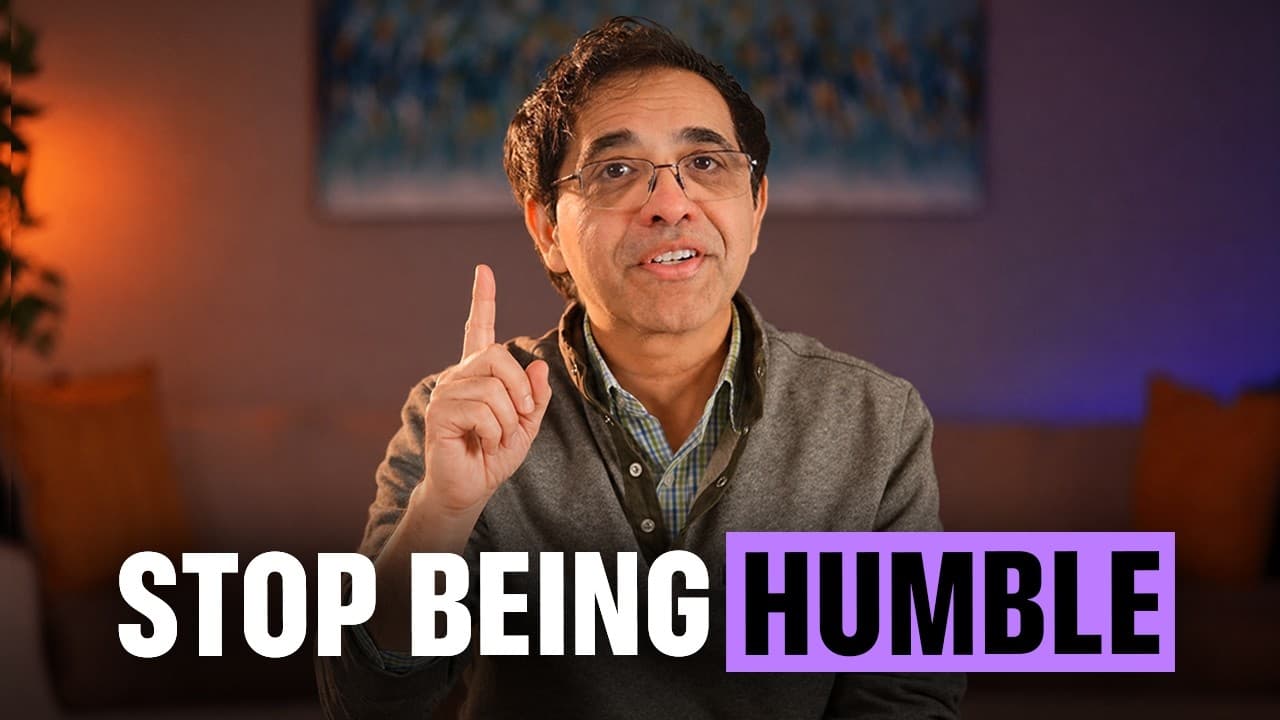
The core message is that confidence comes from action not thinking. Borrowed confidence may win short term but fails when others know more. Build core confidence by acting first, rehearsing behavior, and developing three rings: rented, earned, and owned, with specific weekly actions for each ring.
Transcript
71% of CEOs have imposter syndrome. The most powerful people in the world secretly feel like they're frauds, which means everything we know about confidence is backwards. I have spent years in boardrooms where billion-dollar decisions are made, and one thing I notice all the time is that most people never learn to eliminate self-doubt at its core. ... Read More
Key Insights
- The Dunning Kruger effect shows that the unskilled are often unaware of their lack, while the skilled underestimate themselves.
- Confidence has three rings: rented, earned, and owned, each with different sources and depths.
- Rented confidence comes from performance traits like posture and voice, and it can dominate the room temporarily.
- Earned confidence, or self efficacy, is task specific and deeper than outward show, but not universal.
- Owned confidence is the core, arising from functioning well even when outcomes fail or are uncertain.
- Actions precede and shape confidence, not idle positive thinking, with rehearsal accelerating brain update about who you are.
- Rehearsal before the moment is a practical substitute for fear, making the upcoming performance feel familiar and doable.
- Self compassion strengthens durable confidence, reducing fear of trying again after setbacks.
Install to Summarize YouTube Videos and Get Transcripts
Explore YouTube Video Summarizer or Get YouTube Transcript Extractor
Questions & Answers
Q: A real search query about the video: How to build confidence without fake it till you make it
Confidence is built through action, not pretend assurances. The video argues for a three ring model where rented confidence is temporary, earned confidence grows from self efficacy in specific tasks, and owned confidence rests on the ability to act when things do not go as planned. Rehearsal and gradual risk build the core confidence over time.
Q: What are the three rings of confidence and how do they differ?
The three rings are rented confidence, earned confidence, and owned confidence. rented confidence comes from performance cues like posture and voice that influence others temporarily. earned confidence is domain specific and based on believes in one’s ability to perform a task well. owned confidence is the inner core that functions even when outcomes aren’t favorable.
Q: Why is rehearsing the moment important for confidence?
Rehearsing the moment helps the brain update its model of who you are before the real moment arrives. This practice makes the upcoming performance feel familiar, reducing the shock of uncertainty and enabling you to act with more composure. It shifts confidence from a feeling to a practiced behavior.
Q: How does rejection contribute to core confidence?
Rejection acts as training for the nervous system. By facing small risks and recovering from setbacks, you build resilience and expand your capacity to continue trying. This process teaches your brain that you can survive more than you think, strengthening the innermost ring of confidence.
Q: What role does self compassion play in durable confidence?
Self compassion reduces harsh self judgment after failure, allowing individuals to take on bigger challenges with less fear. This supportive inner voice helps sustain confidence over time rather than collapsing when outcomes are not favorable.
Q: Can confidence be quiet and still effective?
Yes, the video cites examples like level five leaders who are quiet yet decisive, showing that true confidence does not require loudness. Confidence can be expressed through calm competence, consistent performance, and reliable decision making even without overt swagger.
Q: What action items are suggested for the outer, middle, and core rings?
For the outer ring, prepare yourself before a hard talk by standing tall and breathing for 15 seconds. For the middle ring, identify one skill you lack and start learning it to improve self efficacy in that domain. For the core ring, document outcomes after a success or failure to separate self from actions and reinforce growth.
Q: What does the video say about faking confidence and its effects?
Faking confidence is described as rented and temporary, offering only short term insulation. Its effect collapses when the room gains more knowledge than you, causing a faster fall in perceived credibility. The recommendation is to focus on real behavior changes and rehearsal rather than pretending.
Summary & Key Takeaways
-
The speaker introduces a three ring model of confidence, showing that borrowed confidence is temporary and often unreliable. Actions and rehearsal are emphasized as the path to durable confidence.
-
The three rings are rented confidence from performance, earned confidence from self efficacy in specific tasks, and owned confidence from true capacity to act when things go wrong. Focus shifts from thinking to doing and rehearing the moment.
-
Real confidence can be quiet and durable, built through rejection training, self compassion, and consistent small risks that expand your capacity to recover and perform under pressure.
Read in Other Languages (beta)
Share This Summary 📚
Summarize YouTube Videos and Get Video Transcripts with 1-Click
Try YouTube Summary with ChatGPT & Claude or YouTube Transcript Generator
Explore More Summaries from Sandeep Swadia 📚




Summarize YouTube Videos and Get Video Transcripts with 1-Click
Try YouTube Summary with ChatGPT & Claude or YouTube Transcript Generator