Should I swap sugary drinks for artificial sweeteners?
TL;DR
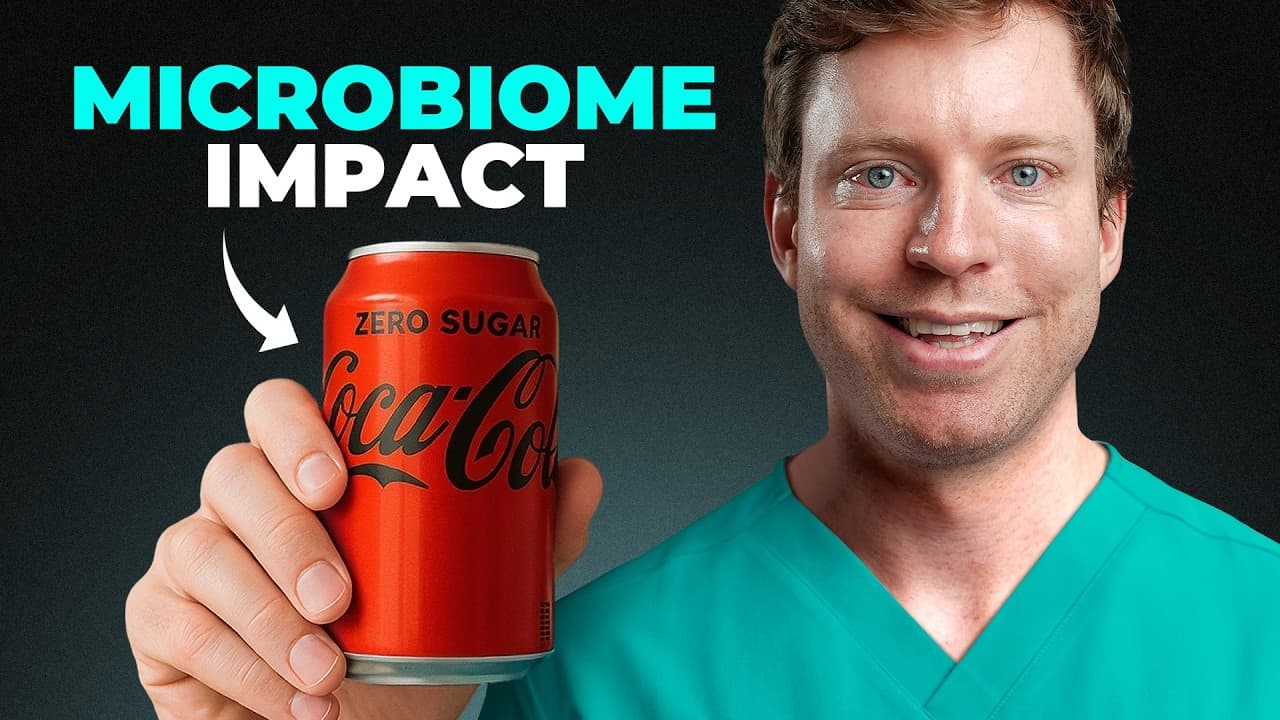
The randomized trial found that replacing sugar with artificial sweeteners helped maintain weight loss by about 1.6 kg over a year, with higher compliance showing up to 3.8 kg extra loss. Gut microbiome changed, increasing short-chain fatty acid producers and methane producers, but blood sugar and LDL remained similar. Overall, artificial sweeteners appear less bad than sugar for weight control, but long term safety is still uncertain.
Transcript
One of the largest artificial sweeteners studies has just been released and it helps to answer some really important questions because previous studies have raised concerns about the potential risks of artificial sweeteners. The World Health Organization even issued a conditional recommendation against them for weight control or to reduce the risk ... Read More
Key Insights
- Artificial sweeteners can help maintain weight loss better than sugar during a calorie restricted phase followed by a sustained diet, with about 1.6 kg difference and up to 3.8 kg in highly compliant subgroups.
- Gut microbiome analysis showed 46 distinct bacterial changes, including increases in short-chain fatty acid producers which are linked to energy expenditure and satiety.
- Some microbiome shifts may explain gastrointestinal symptoms linked to artificial sweeteners, such as more methane producing bacteria.
- There were no significant differences in fasting glucose, insulin, LDL cholesterol, or blood pressure between groups after one year.
- Observational studies linking artificial sweeteners to higher BMI and disease risk may be confounded by other factors, as randomized trials do not show clear harm.
- The study design included adults and children but focused on adults due to compliance; results may still be influenced by pandemic disruptions and dropout.
- Overall, the weight control benefit appears real but modest, and does not prove weight loss through replacement of sugar alone.
- Contextual evidence from a meta-analysis of six drinks studies shows about 1 kilogram long term weight reduction when substituting artificial sweeteners for sugar.”
Install to Summarize YouTube Videos and Get Transcripts
Explore YouTube Video Summarizer or Get YouTube Transcript Extractor
Questions & Answers
Q: What did the new randomized trial compare and what were the main outcomes?
The trial compared artificial sweeteners in place of sugar over a 12 month period in adults with an initial two month weight loss phase followed by a 10 month diet, and then tracked weight, cardio metabolic risk factors, and gut microbiome. The artificial sweetener group maintained weight loss better by about 1.6 kg on average, with a subset achieving up to 3.8 kg more loss. There were no significant differences in fasting glucose, insulin, LDL cholesterol, or blood pressure between groups, and the gut microbiome showed notable changes including more short-chain fatty acid producers and methane producers.
Q: How did the artificial sweeteners affect the gut microbiome according to the study?
Researchers observed differences in 46 distinct bacterial types over the study period. The artificial sweetener group showed an increase in bacteria that produce short-chain fatty acids, which can boost energy expenditure and satiety, and a shift toward bacteria that produce methane, which may relate to gastrointestinal discomfort.
Q: Were there any changes in metabolic risk factors like glucose or insulin?
No significant differences were detected between the artificial sweetener group and the sugar group in fasting glucose, insulin levels, LDL cholesterol, or blood pressure after one year, suggesting short term metabolic risk factors were not adversely affected in this trial.
Q: What do these results imply about observational studies linking artificial sweeteners to higher weight?
The randomized trial results challenge observational findings by showing modest weight maintenance with artificial sweeteners and no clear harm to key metabolic markers. This supports the idea that observational associations may be due to confounding factors such as lifestyle or preexisting weight tendencies rather than a direct effect of artificial sweeteners.
Q: Is there a consensus on whether water or artificial sweeteners are better for weight loss?
There is no definitive consensus. One study found artificial sweeteners supported stronger weight loss than water, but the authors speculated that participants drinking water may seek sweetness elsewhere, potentially increasing calorie intake. Thus, the best choice may depend on individual effects, preferences, and long-term adherence.
Q: What are the limitations of this study that readers should consider?
Limitations include the relatively short duration for long-term safety conclusions, potential dropout and compliance issues, and the fact that the study population was primarily obese adults with a two phase diet, which may limit generalizability to other groups. Pandemic disruptions also reduced study power somewhat.
Q: How do these findings compare with previous meta-analyses on artificial sweeteners in drinks?
Previous meta-analyses focusing on drinks show a small long-term weight reduction when substituting artificial sweetened drinks for sugary ones, aligning with this study’s modest weight benefit. Taken together, randomized trials consistently show small weight effects and no clear adverse metabolic outcomes, while observational data remain less consistent.
Q: What practical advice does the video offer for patients trying to reduce sugary drink intake?
The clinician suggests that artificial sweetened drinks are a less bad option than sugary beverages for weight control when cutting sugar is difficult, and may even be preferable to water in some cases. However, the ultimate impact depends on overall dietary patterns and adherence to a balanced diet and healthy lifestyle.
Summary & Key Takeaways
-
The study compared sugary drinks to artificially sweetened drinks in a 12 month trial, focusing on weight, cardio metabolic risk factors, and the gut microbiome, and found modest weight maintenance benefits for artificial sweeteners.
-
Gut microbiome differences emerged, including more bacteria that produce short-chain fatty acids and more methane-producing bacteria, which may explain gastrointestinal discomfort.
-
Overall, the findings align with prior randomized trials showing small weight benefits and no clear harm from artificial sweeteners, though observational data suggest confounding factors in real world usage.
Read in Other Languages (beta)
Share This Summary 📚
Summarize YouTube Videos and Get Video Transcripts with 1-Click
Try YouTube Summary with ChatGPT & Claude or YouTube Transcript Generator
Explore More Summaries from Dr Brad Stanfield 📚




Summarize YouTube Videos and Get Video Transcripts with 1-Click
Try YouTube Summary with ChatGPT & Claude or YouTube Transcript Generator