Why Can’t You Relax? How Emotional Debt Affects Your Well-Being
TL;DR
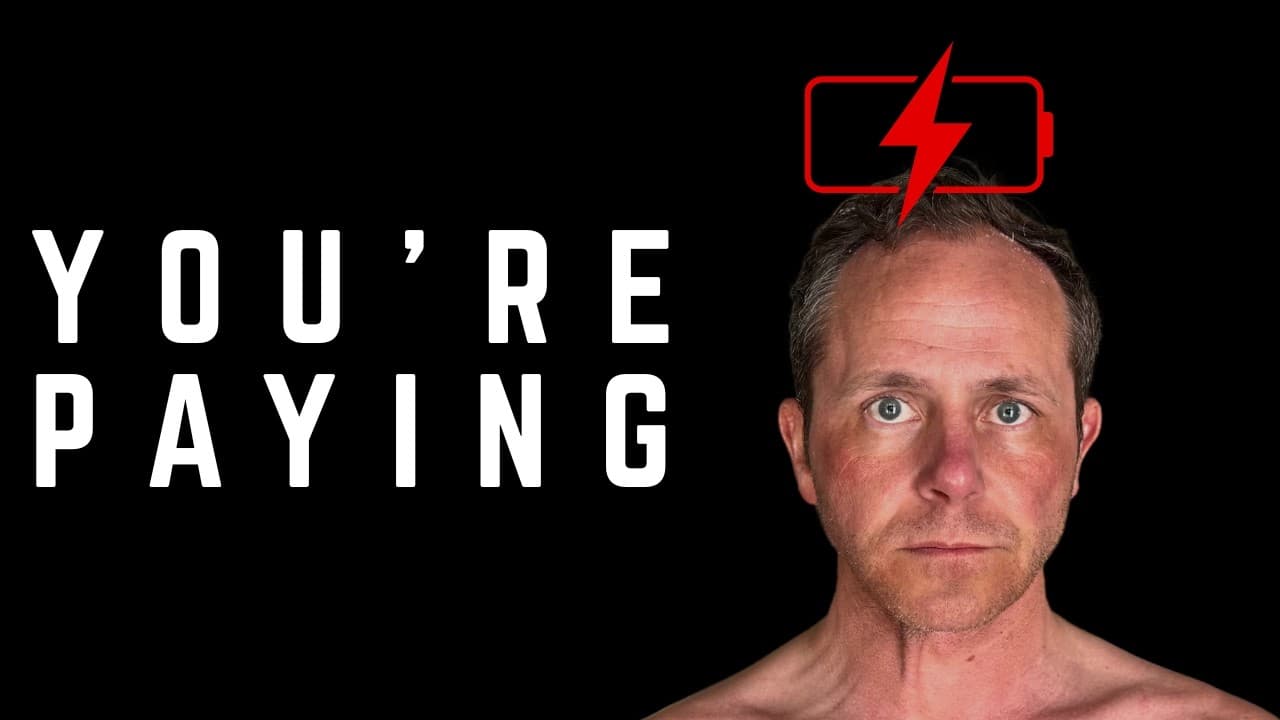
You may struggle to relax because unprocessed emotions become “emotional debt” that keeps your nervous system paying interest on unfinished responses. The speaker says this debt is stored as a state in subcortical structures such as the amygdala, insula, and brainstem, potentially appearing as anxiety, tight shoulders, jaw pain, stomach problems, or constant busyness. Read on to understand how it accumulates and how acknowledging emotions can interrupt the cycle.
Transcript
We're going to talk about emotions in a way that I think you've probably never heard them in your life described about. But if you've studied neuroscience and then like hypnosis and interrogation, then you might have thought about what we're going to talk about tonight. Something tells me that's a rare thing. The one thing I want to say about emoti... Read More
Key Insights
- Emotions do not expire and unprocessed ones accumulate as 'emotional debt'.
- This debt is stored in subcortical structures, affecting the nervous system.
- Emotional debt compounds over time, much like financial debt.
- The amygdala becomes hypersensitized, making individuals more reactive.
- Chronic emotional activation reduces prefrontal cortex engagement.
- Elevated cortisol from emotional debt suppresses immune function and affects sleep.
- Unprocessed emotions recruit other systems, affecting relationships and identity.
- Perspective shifts are crucial in processing emotional debt and achieving resolution.
Install to Summarize YouTube Videos and Get Transcripts
Explore YouTube Video Summarizer or Get YouTube Transcript Extractor
Questions & Answers
Q: Why can’t you relax when you have emotional debt?
The speaker says unresolved emotional responses leave your nervous system with an “open tab.” Staying busy, avoiding silence, or feeling a persistent hum of anxiety may be ways of avoiding emotions that never completed.
Q: What is emotional debt?
Emotional debt is the accumulation of emotions that were suppressed, skipped over, or never fully processed. The speaker compares each unprocessed emotion to a line of credit on which the nervous system continues paying interest.
Q: Where is emotional debt stored?
The transcript says unresolved emotional charge remains in subcortical structures, including the amygdala, insula, brainstem, and body. It is described as being stored as a state rather than as an ordinary memory.
Q: How does an unfinished emotional response affect the body?
When fight, flight, freeze, fawn, or another mobilized response cannot finish, the system may not return to baseline. The remaining activation can appear as tight shoulders, chronic jaw pain, stomach problems, or a persistent baseline of anxiety.
Q: What happens when an emotional response completes?
The speaker says the emotional charge dissipates when the response reaches completion, such as escaping danger, successfully fighting back, or crying and being comforted. The nervous system then returns to baseline and files the event as resolved.
Q: Why can emotional debt feel like part of your personality?
Long-standing emotional states and avoidance patterns can become so familiar that they appear to be fixed personality traits. The transcript gives impatience, constant busyness, and discomfort with silence as examples that may reflect unpaid emotional debt rather than simple preferences.
Q: How does emotional debt shape a person’s comfort zone?
The brain scans for ways to prevent a repeat of unresolved emotional events and builds patterns of avoidance. Over time, rules such as avoiding certain people, rooms, statements, or feelings can form what the speaker calls a perimeter around the nervous system.
Q: How can someone begin resolving emotional debt?
The existing guidance says to recognize and acknowledge the emotions and behaviors connected to the debt without judgment. Rather than numbing or avoiding feelings, allow them to be present and use perspective shifts, somatic practices, or a supportive witness to help process them.
Summary & Key Takeaways
-
Unprocessed emotions accumulate as 'emotional debt', stored in the body and influencing behavior and personality. This debt compounds over time, affecting mental and physical health. The amygdala becomes hypersensitized, and chronic stress suppresses immune function, disrupts sleep, and accelerates aging.
-
Resolving emotional debt requires recognizing and processing these emotions through perspective shifts and somatic practices. Numbing or avoiding emotions only delays resolution and compounds the debt. Perspective shifts help in understanding and processing emotions, moving from inside the pattern to observing it.
-
Stopping new emotional debt involves acknowledging feelings and allowing them to be fully present. A witness can help in processing emotions by providing perspective. The goal is to shift from a fixed position within the debt to understanding and addressing it, ultimately improving well-being.
Read in Other Languages (beta)
Share This Summary 📚
Summarize YouTube Videos and Get Video Transcripts with 1-Click
Try YouTube Summary with ChatGPT & Claude or YouTube Transcript Generator
Explore More Summaries from Chase Hughes 📚






Summarize YouTube Videos and Get Video Transcripts with 1-Click
Try YouTube Summary with ChatGPT & Claude or YouTube Transcript Generator