Peter Thiel on Technological Stagnation and AI Risks
TL;DR
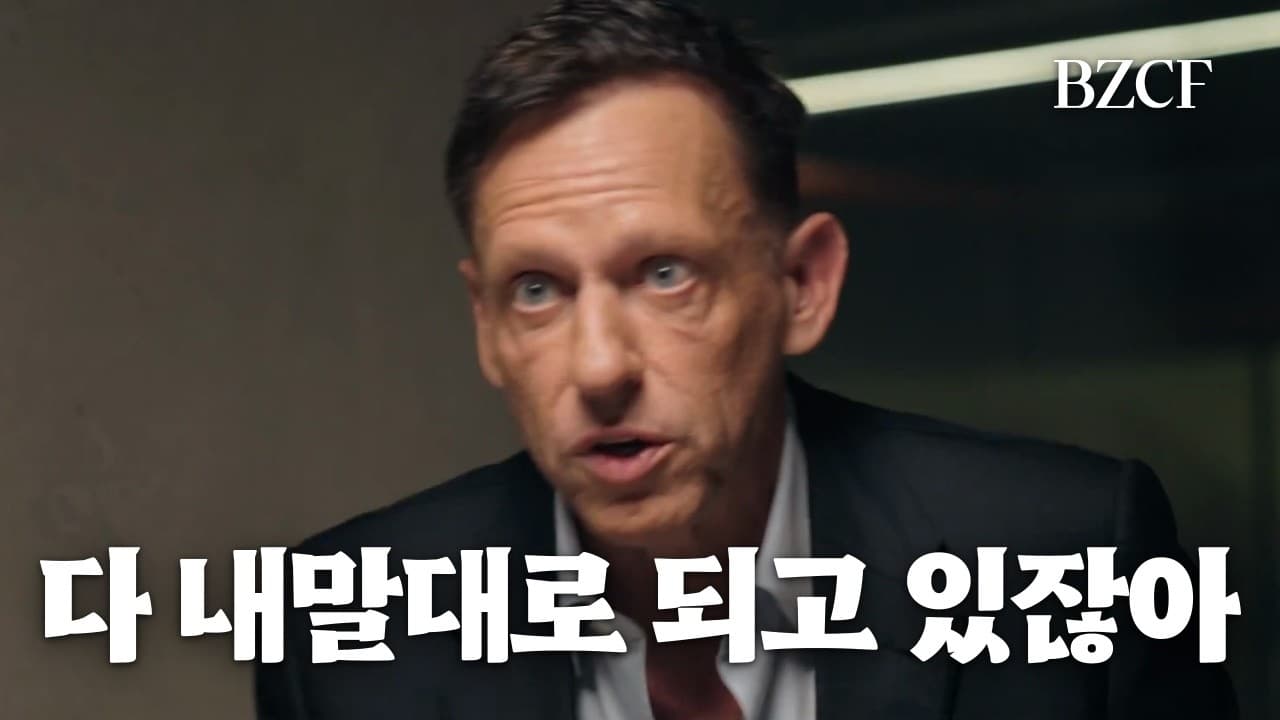
Peter Thiel discusses the concept of technological stagnation, asserting that while there has been progress in digital technology, advancements in fields related to physical engineering have slowed since the 1970s. He argues that AI has the potential to break this stagnation, but warns of the risks associated with unchecked AI development, emphasizing the need for a balanced approach to progress.
Transcript
Tell me a truth that you believe in that almost nobody else agrees with. You even spoke about stagnation. Uh people are discussing is there too much acceleration? Is AI progressing too fast? Did you change your mind or is it still not enough? I've changed my mind um uh to some extent. Uh let me first articulate the stagnation thesis which I started... Read More
Key Insights
- Technological stagnation is characterized by slow progress in physical engineering fields since the 1970s.
- AI has the potential to accelerate growth and overcome stagnation in technological progress.
- The probability of AI leading to catastrophic outcomes is low but significant enough to warrant caution.
- A zero-growth world is not a viable alternative to AI-driven progress, as it could lead to societal breakdown.
- Global cooperation would be necessary to slow down AI development, but such cooperation is unlikely.
- There is a risk of AI development being unevenly regulated, leading to geopolitical imbalances.
- Technological stagnation has contributed to political polarization and societal issues.
- A balanced approach to AI development is crucial to ensure both progress and safety.
Install to Summarize YouTube Videos and Get Transcripts
Explore YouTube Video Summarizer or Get YouTube Transcript Extractor
Questions & Answers
Q: What is technological stagnation according to Peter Thiel?
Technological stagnation, as described by Peter Thiel, refers to the slowdown in progress in fields related to physical engineering since the 1970s. While there have been significant advancements in digital technology, such as computers and the internet, areas like mechanical, chemical, and nuclear engineering have not seen similar growth. Thiel believes this stagnation has contributed to societal and political issues.
Q: How does Peter Thiel view the potential of AI?
Peter Thiel views AI as having the potential to break the technological stagnation that has persisted since the 1970s. He believes AI could accelerate growth and bring about significant advancements. However, Thiel also warns of the risks associated with AI, such as the possibility of it escaping human control or leading to catastrophic outcomes, and emphasizes the need for a balanced approach to its development.
Q: What are the risks associated with AI development?
The risks associated with AI development include the potential for AI to become uncontrollable and cause catastrophic outcomes. While Thiel believes the probability of such scenarios is low, he acknowledges that even a small chance of disaster is concerning. He also highlights the challenges of uneven regulation and geopolitical imbalances, which could arise if AI development is not globally coordinated.
Q: Why does Peter Thiel believe a zero-growth world is not viable?
Peter Thiel argues that a zero-growth world is not viable because it would likely lead to societal breakdown. He suggests that without progress, societies become more polarized and competitive, resulting in a zero-sum game where there are losers for every winner. Thiel believes that progress, particularly through AI, is necessary to avoid these negative outcomes and maintain societal stability.
Q: What does Peter Thiel say about global cooperation in AI regulation?
Peter Thiel believes that genuine global cooperation in AI regulation would be necessary to effectively slow down AI development. However, he considers such cooperation unlikely, as it would require a level of international collaboration and enforcement that is difficult to achieve. Thiel warns that without global cooperation, AI regulation may be uneven, leading to geopolitical imbalances and competitive disadvantages.
Q: How has technological stagnation affected politics, according to Thiel?
According to Peter Thiel, technological stagnation has contributed to political polarization and societal issues. He suggests that the lack of progress in physical engineering fields has led to a zero-sum mentality, where societal and political competition becomes more intense. This stagnation has resulted in increased polarization, as people become more focused on competing for limited resources and opportunities.
Q: What is Peter Thiel's stance on the moralization of new technologies?
Peter Thiel believes that society tends to moralize new technologies too much, often framing debates in terms of good versus evil. He argues that this moralization can be counterproductive, as it distracts from the functional and practical aspects of technological development. Thiel suggests that instead of moralizing, society should focus on the practical implications and potential benefits of new technologies.
Q: What does Peter Thiel suggest is necessary for successful AI development?
Peter Thiel suggests that a balanced approach is necessary for successful AI development. This involves recognizing both the potential benefits and risks associated with AI and striving to maximize the former while minimizing the latter. Thiel emphasizes the importance of global cooperation, careful regulation, and a focus on ensuring that AI development contributes positively to societal progress and stability.
Summary & Key Takeaways
-
Peter Thiel argues that technological progress has stagnated since the 1970s, particularly in physical engineering fields, while digital technology has advanced. He suggests that AI might be the key to overcoming this stagnation, despite its associated risks.
-
Thiel emphasizes the importance of a balanced approach to AI development, acknowledging the potential for both significant benefits and catastrophic risks. He highlights the challenges of global cooperation in regulating AI and the potential for geopolitical imbalances.
-
The stagnation in technological progress has contributed to political polarization and societal issues, according to Thiel. He suggests that a zero-growth world is not a viable alternative, as it could lead to further societal breakdown.
Read in Other Languages (beta)
Share This Summary 📚
Summarize YouTube Videos and Get Video Transcripts with 1-Click
Try YouTube Summary with ChatGPT & Claude or YouTube Transcript Generator
Explore More Summaries from BZCF | 비즈까페 📚


Summarize YouTube Videos and Get Video Transcripts with 1-Click
Try YouTube Summary with ChatGPT & Claude or YouTube Transcript Generator