What are the risks of SpaceXAI data centers in Memphis?
TL;DR
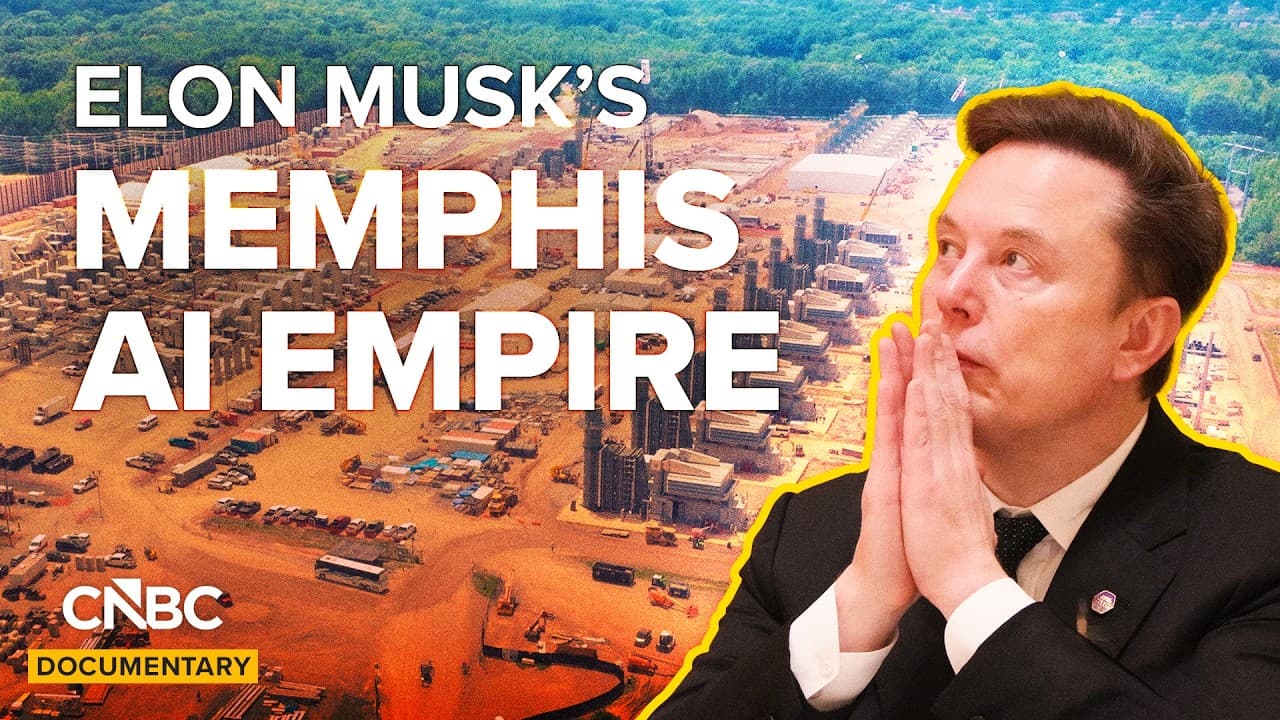
SpaceXAI powered Colossus data centers with gas turbines and grid connections, triggering noise, pollution, and higher energy costs debates. The project brings large compute leases from Anthropic and Google, yet faces lawsuits and community backlash, while a city ordinance directs tax revenue toward nearby neighborhoods.
Transcript
It get louder. Some nights you can smell the fumes from the turbines and it's really, really noisy at night. You just have to endure this. When South Memphis, Tennessee resident Loretta Thornton first heard about xAI's data centers coming to town, construction was already underway. Now she lives next door to one of the world's largest AI dat... Read More
Key Insights
- SpaceXAI pursued rapid data center expansion in Memphis and Southaven to scale AI compute capacity.
- The buildout relied on a mix of on site gas turbines and grid connections to TVA, reflecting a strategy to quickly meet power needs.
- Pollution and noise concerns prompted lawsuits and public hearings, shaping public perception of data center projects.
- Community activists warned about scope creep and disproportionate impact on a predominantly black, low wealth neighborhood.
- Officials introduced a community benefit ordinance to direct tax revenue to nearby communities as a mitigation measure.
- Despite backlash, Colossus centers generated billions in compute leases from Anthropic, Google and others, sustaining revenue.
- The case shows how off grid, rapid deployment can create regulatory and health concerns that influence policy and public trust.
- Design choices and permitting processes differ by site, affecting environmental and social outcomes across regions
- More videos from this channel:
- More from this channel: CNBC
Install to Summarize YouTube Videos and Get Transcripts
Explore YouTube Video Summarizer or Get YouTube Transcript Extractor
Questions & Answers
Q: What is SpaceXAI's approach to powering Colossus data centers in Memphis?
SpaceXAI uses a combination of natural gas turbines, energy infrastructure upgrades, and grid connections to power Colossus data centers. The turbines were installed to meet immediate power demands while TVA upgraded its service to the grid. This approach allowed fast startup but drew scrutiny for permitting and environmental impact, highlighting a tension between speed and compliance in hyperscale infrastructure.
Q: Why did residents express strong opposition to the data centers in Memphis?
Residents opposed the project due to loud, pollution emitting gas turbines, excessive noise, and concerns about air quality in a neighborhood already facing environmental health challenges. The presence of dozens of turbines and perceived lack of community input amplified tensions, with activists arguing the project disproportionately affected a majority black, low wealth community.
Q: What legal or regulatory challenges did the project encounter?
The project faced lawsuits accusing xAI of operating turbines without proper air permits and failing to obtain necessary approvals for some turbines. Public hearings revealed discrepancies between what was planned and what was installed, with some turbines operating ahead of permits and a broader concern about environmental impacts and compliance.
Q: How did local government attempt to mitigate negative impacts?
Local leadership implemented a community benefit ordinance to dedicate 25 percent of tax revenue within a five mile radius of the facilities to nearby communities. This was intended to offset negative impacts and direct benefits back to residents, signaling an effort to balance economic gains with social costs.
Q: What is the financial significance of the data centers for SpaceXAI and partners?
The data centers attract multi hundred million dollar monthly compute leases from major AI players like Anthropic and Google, as well as a separate deal with Reflection AI. These contracts demonstrate the commercial value of hyperscale infrastructure despite local controversy, underscoring how revenue can drive rapid development.
Q: What lessons does the Memphis case offer for other AI hyperscalers?
The case emphasizes the importance of permitting compliance, transparent community engagement, and thoughtful site integration to avoid conflicts with residents and regulators. It suggests that balancing speed with environmental safeguards and local benefits is crucial for sustainable, scalable deployment of AI infrastructure across the country.
Q: How did the power strategy evolve as the project expanded beyond Colossus 1?
Initially, the project relied on on site gas turbines due to power constraints, but after TVA upgraded the grid, Colossus centers connected to the grid while still using gas turbines behind the scene as a backup. This evolution shows a hybrid approach to maintain reliability while integrating into existing power systems.
Q: What broader national implications does the report highlight about data centers and public support?
The report suggests a growing backlash to data centers nationwide, with communities demanding input, environmental safeguards, and fair compensation for local residents. It highlights how hyperscalers can win public support by integrating infrastructure thoughtfully, addressing pollution and noise, and ensuring transparent governance and benefits to nearby communities.
Summary & Key Takeaways
-
The Memphis data centers, Colossus 1 and Colossus 2, were built rapidly, powered by gas turbines and grid upgrades, drawing attention from residents and regulators. The pace of development raised concerns about permits, air quality, and community engagement as the project expanded. Public hearings highlighted tensions between economic benefits and environmental impact.
-
Local leadership attempted to mitigate harms by creating a community benefit ordinance that earmarks a portion of tax revenue for nearby communities, but residents argue the process lacked transparency and adequate input. The case illustrates how large AI infrastructure projects can strain public services and pollute the local environment if not properly integrated.
-
Despite the revenue and large compute deals with Anthropic and Google, the project faced multiple lawsuits accusing unauthorized turbine use and pollution, highlighting the clash between corporate urgency and environmental compliance. The broader national backlash signals growing awareness of community voices in hyperscale deployments.
Read in Other Languages (beta)
Share This Summary 📚
Summarize YouTube Videos and Get Video Transcripts with 1-Click
Try YouTube Summary with ChatGPT & Claude or YouTube Transcript Generator
Explore More Summaries from CNBC 📚






Summarize YouTube Videos and Get Video Transcripts with 1-Click
Try YouTube Summary with ChatGPT & Claude or YouTube Transcript Generator