What Happens If a Supernova Explodes Near Earth?
TL;DR
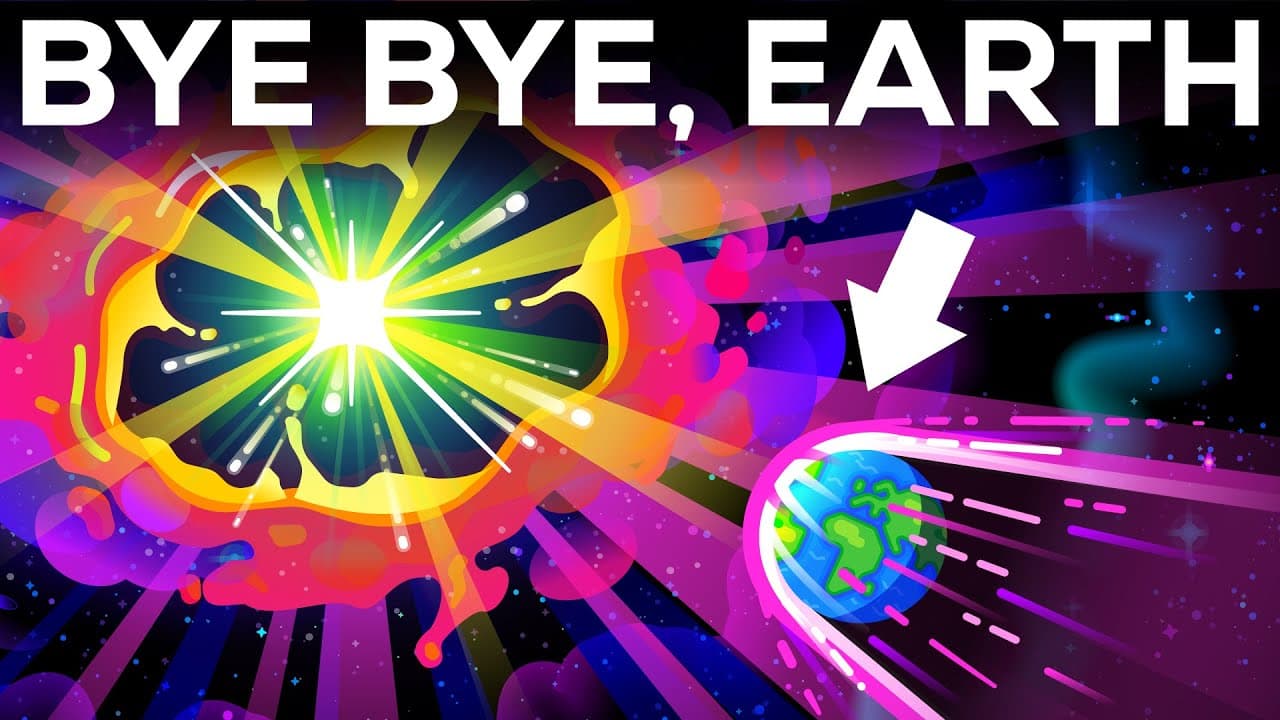
If a supernova explodes within 25 light years of Earth, it could lead to mass extinction due to destroyed ozone layers and severe climate disruption. At closer distances, the radiation could cause widespread ecological devastation, while further away, it may still impact the atmosphere and increase cancer risks. Fortunately, no nearby stars are predicted to explode within the next million years.
Transcript
supernovae are the most powerful explosions in the universe unleashing enough energy to outshine galaxies we have no real metaphor for their power if the sun were to magically go supernova it would feel like you were being hit by the energy of a nuclear explosion every second for weeks while supernovae are the engines of creation forging the elemen... Read More
Key Insights
- ❓ Supernovae are the most powerful explosions in the universe, outshining galaxies.
- 🧡 Their impact on Earth depends on proximity, ranging from minor visual displays to catastrophic events.
- 😚 Close supernovae can disrupt the atmosphere, leading to increased UV radiation and climate disruptions.
- 💆 Global wildfires, mass extinctions, and societal collapse are potential consequences of a nearby supernova.
- 😋 Civilization may struggle to recover from the aftermath of a supernova, facing food shortages and societal unrest.
- 🔨 Astronomy enthusiasts can explore more topics on supernovae and other scientific concepts through interactive learning tools.
- 🆘 Understanding the physics behind supernovae can help prepare for potential cosmic events in the future.
Install to Summarize YouTube Videos and Get Transcripts
Explore YouTube Video Summarizer or Get YouTube Transcript Extractor
Questions & Answers
Q: What are supernovae, and how do they compare to explosions on Earth?
Supernovae are the most powerful explosions in the universe, with energy levels surpassing earthly explosions. Their effects are more long-lasting and impactful, resembling a volcanic eruption followed by a tsunami in space.
Q: How do different distances from a supernova affect Earth?
The closer a supernova is to Earth, the more significant the impact. From thousands of light years away causing mesmerizing light displays to within 25 light years leading to mass extinctions, the distance determines the severity of consequences.
Q: What specific dangers do supernovae pose to Earth's atmosphere?
Supernovae can disrupt the ozone layer, increase UV radiation levels, and trigger extensive cloud formation. These effects can lead to climate disruptions, global wildfires, and potentially even ice ages on the planet.
Q: What are the long-term implications of a supernova hitting Earth?
A supernova in close proximity could devastate civilization, leading to food shortages, increased cancer rates, and societal chaos. Recovery would be a lengthy process, with the potential for human extinction.
Summary & Key Takeaways
-
Supernovae are incredibly powerful explosions, creating a tsunami-like effect in space.
-
Depending on the distance, supernovae can have varying impacts on Earth, from minor effects to catastrophic consequences.
-
Close proximity to a supernova could lead to mass extinctions, climate disruptions, and significant damage to civilization.
Read in Other Languages (beta)
Share This Summary 📚
Summarize YouTube Videos and Get Video Transcripts with 1-Click
Try YouTube Summary with ChatGPT & Claude or YouTube Transcript Generator
Explore More Summaries from Kurzgesagt – In a Nutshell 📚




Summarize YouTube Videos and Get Video Transcripts with 1-Click
Try YouTube Summary with ChatGPT & Claude or YouTube Transcript Generator