Why Do Some People Prefer Winter to Summer?
TL;DR
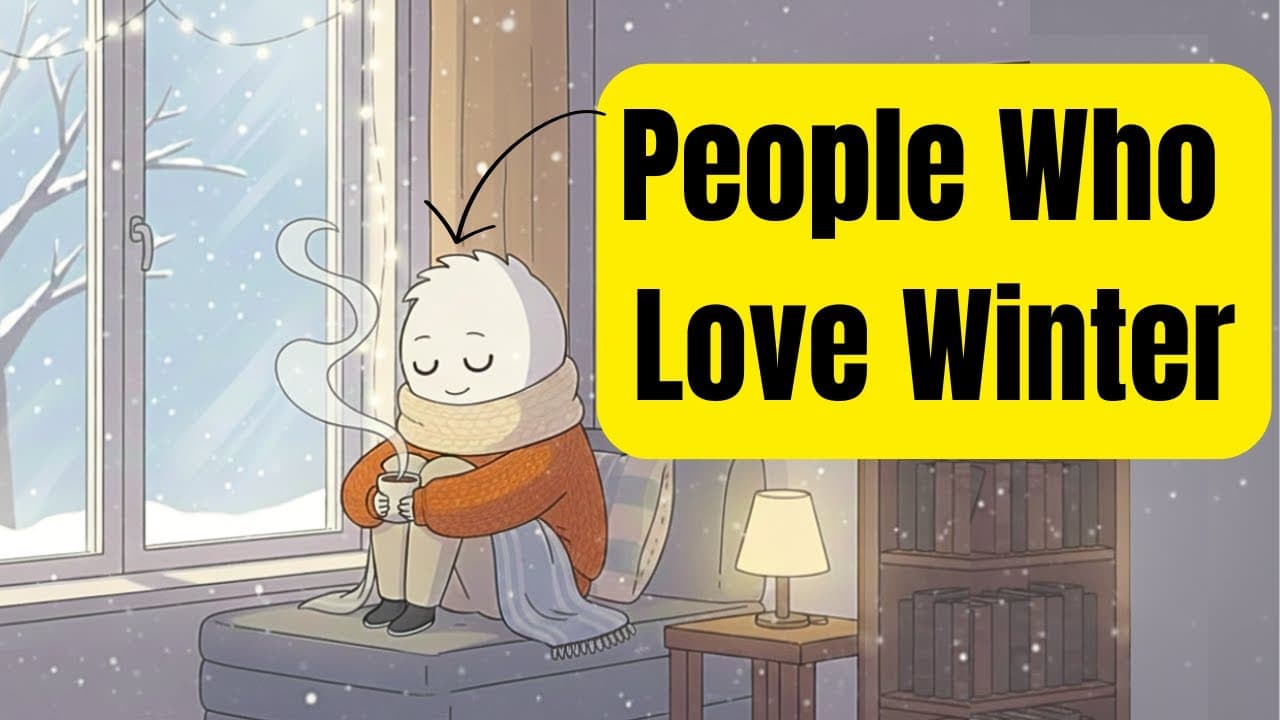
Some people prefer winter because cold weather makes warm shelter feel more rewarding, reduces external stimulation, and provides social permission to stay home and rest. Shorter, darker days can also create clearer boundaries, while cooler indoor conditions may support concentration. For introverts and people who value introspection, winter can align naturally with their preferred pace of life.
Transcript
You know that feeling when everyone's complaining about the cold and you're just thriving? While your friends are booking flights to tropical islands, you're genuinely excited about staying home in your pajamas for the third day straight. If this sounds like you, congratulations. You might be psychologically wired to love winter. And no, there's no... Read More
Key Insights
- Winter comfort is intensified by contrast between the cold outdoors and a warm, protected interior. The transcript calls this contrast effect comfort, explaining that awareness of the harsher environment outside can make shelter feel safer, more satisfying, and more rewarding.
- Refuge appeal is the attraction of enclosed, protected spaces when a threat is perceived outside. Because winter historically represented danger, staying warm indoors can satisfy an ancestral preference for safety and shelter rather than simply reflecting laziness or avoidance.
- Winter activities are often low in stimulation and high in comfort. Reading, watching movies, cooking soup, and resting under blankets fit the season's quieter atmosphere and allow people, especially introverts, to relax without needing to remain socially active or externally engaged.
- Winter provides social cover for staying home and declining invitations. Cold weather makes solitude appear sensible and seasonally appropriate, reducing the pressure to attend gatherings, spend time outdoors, or display the highly social lifestyle commonly associated with summer.
- Introverts are described as having greater sensitivity to external stimulation. Winter lowers stimulation through shorter days, weaker light, colder weather, fewer people outdoors, and quieter surroundings, which can make the season feel less draining than bright, hot, socially active summer environments.
- Cooler environments can support better focus, with the transcript identifying approximately 65 to 70 degrees Fahrenheit as an optimal range for cognitive performance. Winter may therefore make sustained activities such as reading, thinking, or completing delayed projects feel easier.
- Early winter darkness creates natural boundaries by signaling that the active part of the day is ending. It can reduce guilt about winding down, make time feel more contained through temporal compression, and support a more focused and intentional daily rhythm.
- Winter gives people permission to rest and reconnect with seasonal patterns of conservation. It validates solitude, reflection, emotional processing, and lower social output, offering an alternative to the expectation that energy and productivity must remain constant throughout the year.
Install to Summarize YouTube Videos and Get Transcripts
Explore YouTube Video Summarizer or Get YouTube Transcript Extractor
Questions & Answers
Q: Why do some people enjoy winter more than summer?
Some people enjoy winter because the season matches their preference for quiet, comfort, solitude, and lower stimulation. Cold outdoor conditions make warm indoor spaces feel especially rewarding, while fewer social expectations make staying home easier to justify. Shorter days also create clearer boundaries for rest, reflection, and slower activities such as reading, cooking, or watching movies.
Q: Why does staying home feel better during winter?
Staying home can feel better during winter because the brain registers a strong contrast between the cold environment outside and the warmth and safety indoors. The transcript describes this as contrast effect comfort. Winter also removes the summer feeling that staying inside means missing pleasant weather or social opportunities, making shelter feel like an active and satisfying choice.
Q: What is refuge appeal in winter psychology?
Refuge appeal is the tendency to find enclosed and protected spaces more satisfying when the outside environment presents a perceived threat. Winter cold creates that contrast, making a warm home feel like a successful refuge. The transcript connects this response to human evolution, when surviving winter required finding shelter, conserving resources, and remaining protected from harsh conditions.
Q: Why can winter be more comfortable for introverts?
Winter can be more comfortable for introverts because it reduces both stimulation and social pressure. Shorter days provide less intense light, cold weather keeps more people indoors, and outdoor environments become quieter and less crowded. The season also makes declining invitations or spending an evening alone seem reasonable, giving introverts space to recharge without feeling antisocial or selfish.
Q: How can winter weather affect focus and creativity?
Winter may support focus because cooler environments can be favorable for cognitive performance. The transcript identifies approximately 65 to 70 degrees Fahrenheit as an optimal temperature range and suggests that the body expends less energy trying to cool itself in such conditions. Reduced noise, light, crowds, and social activity may also help people read, think, create, or finish delayed projects.
Q: Why might early winter darkness feel beneficial?
Early winter darkness can create a clear boundary between the active day and the evening. When the sun sets around 4:30 p.m., winding down can feel biologically and socially appropriate rather than unproductive. The transcript also links winter darkness with temporal compression, in which days feel more contained, manageable, focused, and intentional than the long daylight hours of summer.
Q: Does everyone benefit psychologically from winter darkness?
No. The transcript states that seasonal affective disorder is real and seriously affects about 5% of people. However, it argues that winter lovers may experience darkness differently, appreciating its clear daily boundaries, quieter atmosphere, early stars, dramatic skies, and warm illuminated windows. For these people, darkness can feel like a meaningful seasonal presence rather than merely an absence of light.
Q: What does loving winter suggest about a person's values?
Loving winter may suggest a preference for introspection over constant stimulation, comfort over relentless activity, and personal satisfaction over external validation. Winter lovers may value solitude, reflection, and the freedom to slow down. According to the transcript, they can also view darkness and cold as conditions that support meaningful living rather than obstacles to endure until spring.
Summary & Key Takeaways
-
Winter can make staying home feel especially satisfying because the contrast between a cold exterior and a warm interior heightens comfort. The transcript describes this as contrast effect comfort and connects it with refuge appeal, the tendency to value enclosed, protected spaces more when the outside environment seems threatening.
-
Winter reduces several forms of external stimulation, including intense light, heat, outdoor noise, crowds, and social activity. This quieter environment may suit introverts, who are described as more sensitive to stimulation. Cooler conditions, particularly around 65 to 70 degrees Fahrenheit, are also presented as favorable for cognitive performance and concentration.
-
Shorter days and early darkness can establish a natural endpoint for activity, making rest feel appropriate instead of wasteful. Winter also legitimizes solitude, reflection, and reduced productivity. For people who value introspection and enjoy their own company, the season provides a supportive setting for slower, more intentional living.
Read in Other Languages (beta)
Share This Summary 📚
Summarize YouTube Videos and Get Video Transcripts with 1-Click
Try YouTube Summary with ChatGPT & Claude or YouTube Transcript Generator
Explore More Summaries from Psychology Simplified 📚


Summarize YouTube Videos and Get Video Transcripts with 1-Click
Try YouTube Summary with ChatGPT & Claude or YouTube Transcript Generator