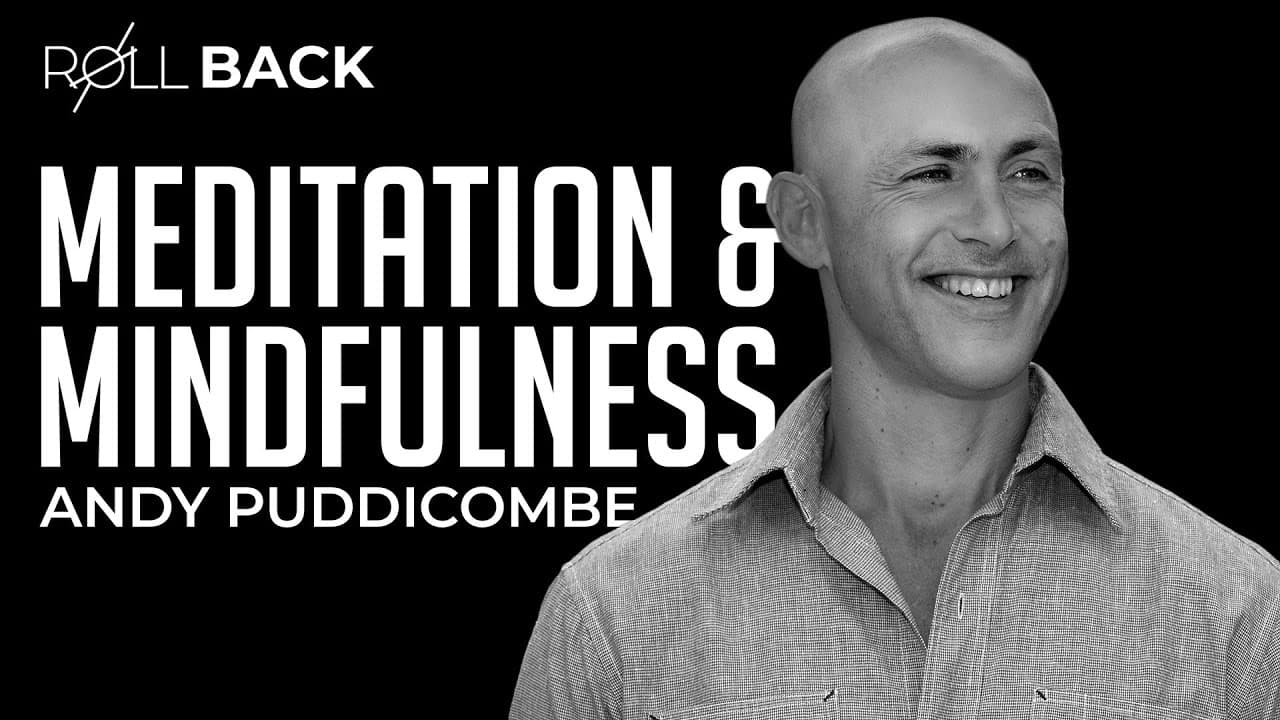
How did Andy Puddicombe become the voice of Headspace?
TL;DR
Andy Puddicombe shares how his path from monkhood to building Headspace created a relatable, practical mindfulness platform. The conversation stresses authenticity, a step by step learning approach, and leveraging science and creativity to bridge the gap between knowing about meditation and actually practicing it daily.
Transcript
Hey, everybody. Welcome or welcome back to "Rollback". "Rollback" is the very special version of the podcast where we share the best conversations from our pre-video catalog with you on YouTube for the very first time. And today's episode was a bit of a personal thrill for me. Because despite having a great appreciation for the benefits of meditati... Read More
Key Insights
- Headspace was built on a gradual, step by step approach that lets users learn and build on each day.
- Authenticity matters: the founder emphasizes a real, non scripted process and consistent practice.
- Creativity makes meditation accessible by removing traditional imagery and creating an inviting visual world.
- A strong emphasis on lineage and traditional teaching informs the modern method used by Headspace.
- Science provides measurable evidence of meditation benefits, strengthening the invitation to practice.
- Headspace aims to bridge the gap from education to action, not just awareness to interest.
- The co founder Rich Roll contributes creativity and a non threatening, engaging world for users.
- Consistency and momentum are achieved by placing the tool in daily life, such as keeping Headspace in the phone dock.
- More videos from this channel:
- More from this channel: Rich Roll
Install to Summarize YouTube Videos and Get Transcripts
Explore YouTube Video Summarizer or Get YouTube Transcript Extractor
Questions & Answers
Q: What inspired Andy Puddicombe to start Headspace and how does authenticity come into play?
Andy describes his path from meditating in the Himalayas to becoming a monk and returning to London to design what would become Headspace. He emphasizes that the product is not a passive presentation but a result of long authentic practice and lineage. Authenticity means the content mirrors real experience, avoids scripted performance, and focuses on truthful, lived practice that users can relate to and implement daily.
Q: How does Headspace address the gap between understanding meditation and actually practicing it?
The interview explains that Headspace works by combining awareness, an inviting invitation to try meditation, and ongoing engagement. It goes beyond information by designing daily, gradual learning that builds skill over time. The goal is consistent practice, not just a one off explanation, so users can experience lasting benefits.
Q: What role does science play in Headspace according to the discussion?
Science serves as a compelling invitation to practice by showing physiological changes in the brain with meditation. The conversation notes that brain areas change in blood flow, shape, and strength as a result of regular practice. This evidence-backed approach helps users feel confident in starting and continuing meditation.
Q: Why is the step by step learning method important for Headspace users?
Step by step learning reduces barriers by allowing users to start small and build momentum. The interview contrasts static CDs with a progressive program where each day builds on the previous one. This approach makes practice sustainable and less intimidating for beginners while providing a clear path to deeper engagement.
Q: How is creativity used to make meditation appealing to a broad audience?
Headspace creator Rich Roll brings creativity by crafting a visual world that is non threatening and approachable, moving away from traditional lotus imagery. This makes meditation feel accessible to people who might be put off by the classic yogic stereotype, helping more individuals engage with the practice.
Q: What importance does lineage and tradition have in Andy’s method for Headspace?
Andy emphasizes learning from his teacher and the tradition passed down through generations. He believes that reliable refinement occurs when practices are preserved through lineage. This traditional backbone supports a modern translation that maintains depth while remaining practical for contemporary users.
Q: How does Headspace leverage everyday devices to improve consistency of practice?
The discussion mentions practical steps like placing Headspace in the phone dock to reduce friction and increase visibility. This small, everyday cue helps users encounter the app more often, supporting daily practice and creating a consistent habit rather than sporadic use.
Q: What is the overarching mission behind Headspace as described in the interview?
The mission centers on translating millennia old meditation principles into a modern, accessible format that people can implement daily. By focusing on awareness, invitation, and sustained engagement, Headspace aims to help users realize long term positive change through practical application rather than mere information.
Summary & Key Takeaways
-
Andy Puddicombe’s journey blends ancient practice with modern accessibility to form Headspace, stressing gradual learning and real-world application.
-
The Headspace approach focuses on awareness, invitation, and engagement to convert interest into sustained practice.
-
The interview highlights authenticity, lineage, and science as the pillars that helped meditation move into mainstream usage.
Read in Other Languages (beta)
Share This Summary 📚
Summarize YouTube Videos and Get Video Transcripts with 1-Click
Try YouTube Summary with ChatGPT & Claude or YouTube Transcript Generator
Explore More Summaries from Rich Roll 📚


Summarize YouTube Videos and Get Video Transcripts with 1-Click
Try YouTube Summary with ChatGPT & Claude or YouTube Transcript Generator