How to Cold Call Without Triggering Rejection
TL;DR
Start a cold call by calmly asking whether the person can help you for a moment, then describe a relevant problem instead of immediately pitching your company. This low-key, prospect-focused approach encourages two-way dialogue, reduces perceived sales pressure, and helps determine whether a real need exists before discussing your solution or requesting access to the decision-maker.
Transcript
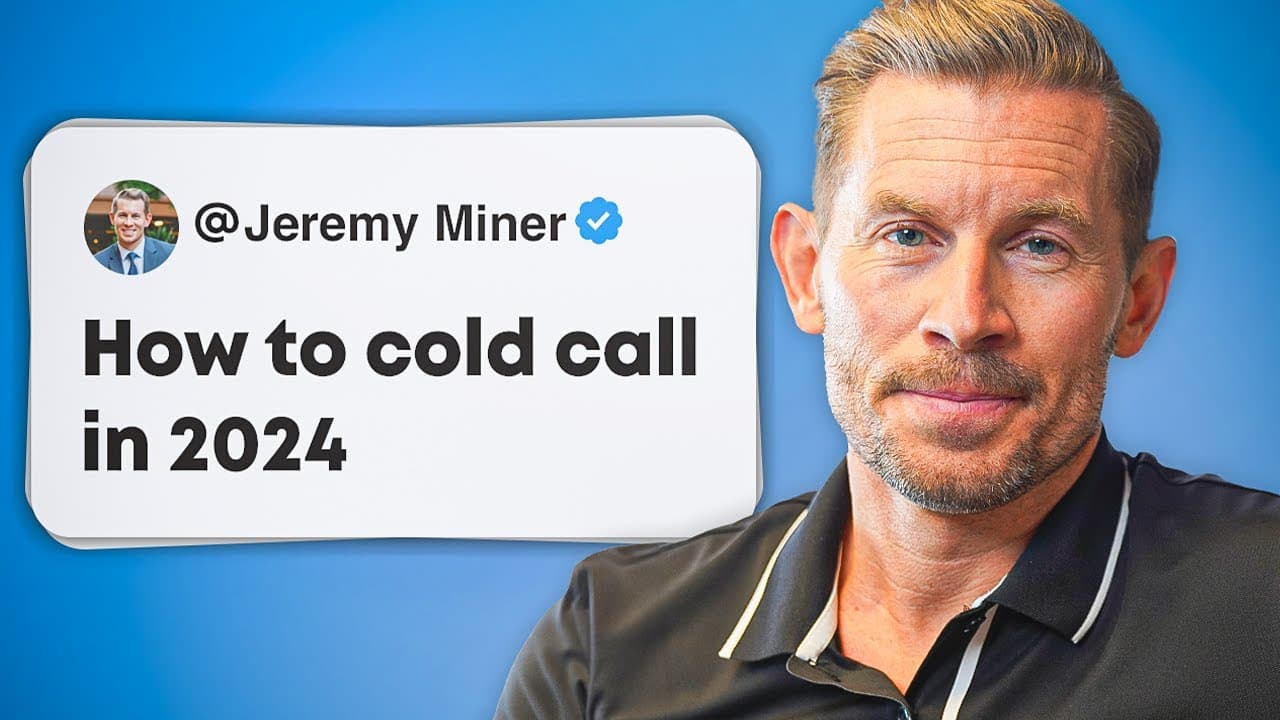
now in this video you're going to learn how to effectively cold-call in the new economy and how you can win the gatekeeper over to your side and have them be open to getting you to the decision-maker so the question is why do salespeople avoid cold calling more than anything else in selling well it's because we all have the fear of getting rejected... Read More
Key Insights
- Cold-call avoidance is driven by fear of rejection, while the traditional expectation of securing an appointment or sale intensifies that pressure. When the caller directs all attention toward making the sale, the prospect may sense that agenda and become less receptive to the conversation.
- Traditional cold-call openings focus on the salesperson by stating a name, company, and offering before any trust exists. This formula resembles the many pitches prospects already receive, so it fails to distinguish the caller and often prompts immediate resistance, excuses, or rejection.
- Prospects are automatically skeptical when unfamiliar salespeople call because they regularly hear claims that different products or services are the best. Repeating familiar opening lines can trigger responses such as already having the solution, not needing it, lacking budget, or being unable to reach the decision-maker.
- A relaxed request for help can create an initial two-way dialogue. Opening with a low-key question about whether the person could possibly help for a moment encourages a natural response and avoids immediately placing the listener under the pressure associated with a conventional sales pitch.
- Tone is essential during the opening because there is no established trust between the caller and prospect. A relaxed, conversational delivery helps avoid triggering sales pressure, while an eager or forceful presentation can lead to objections, rejection, or the prospect ending the call.
- A problem statement should identify one or two recognizable issues that the offering addresses without introducing the solution immediately. The caller first asks whether those problems may exist, then explores whether there is a genuine opportunity to help before explaining the company in detail.
- The advertising example focuses on hidden gaps, rising advertising costs, increasing competition, market changes, and lost sales. It then explains that higher-quality lead targeting may lower advertising costs and protect profits before asking what advertising methods the business currently uses to generate leads.
- A prospect-focused cold call investigates the customer’s problems, their causes, and their effects before attempting to sell. This approach can make the person more relaxed and can help a gatekeeper become open to connecting the caller with the relevant decision-maker.
Install to Summarize YouTube Videos and Get Transcripts
Explore YouTube Video Summarizer or Get YouTube Transcript Extractor
Questions & Answers
Q: How should you open a cold call without sounding pushy?
Open in a relaxed, conversational tone by stating your name and asking whether the person could possibly help you for a moment. This request does not immediately introduce the company or pitch an offering. It invites a natural response, creates a two-way dialogue, and reduces the chance of triggering the sales pressure associated with standard cold-call introductions.
Q: Why do traditional cold-call introductions cause rejection?
Traditional introductions begin with the salesperson’s name, company, and a description of what the company does. Because prospects receive similar pitches regularly and have no established trust with an unfamiliar caller, this formula can make them skeptical. They may quickly say they already have the product, do not need it, cannot afford it, or cannot connect the caller with the decision-maker.
Q: What should you say after a prospect asks how they can help?
Respond with a problem statement that mentions one or two relevant issues your offering may solve, but do not pitch the solution yet. For an advertising prospect, the caller might ask whether the business is open to examining hidden advertising gaps that could be causing lost sales. The goal is to discover whether a real problem exists before discussing the company further.
Q: How does a problem statement improve a cold call?
A problem statement shifts attention from the salesperson’s company and sales goal to difficulties the prospect may recognize. It opens a discussion about whether those difficulties exist and whether the caller might be able to help. This makes the exchange more relevant to the prospect and provides a basis for asking questions about the current situation before presenting a solution.
Q: How can a salesperson get a gatekeeper on their side?
A salesperson can approach the gatekeeper as someone whose help is valued rather than as an obstacle to bypass. Using a calm request for assistance, followed by a prospect-focused problem statement, creates a more natural dialogue. By concentrating on possible business problems and first determining whether help is appropriate, the caller can make the gatekeeper more open to providing access to the decision-maker.
Q: Why does tone matter when making a cold call?
Tone matters because the caller and prospect have no established trust at the start of the conversation. A low-key, relaxed, and conversational delivery reduces the feeling of sales pressure. If the caller sounds overly eager or focused on closing a sale, the prospect may become defensive, raise objections, reject the approach, or end the call before any useful discussion develops.
Q: When should you explain what your company does on a cold call?
Explain how your company helps after the prospect responds to the initial request for help and shows interest by asking who you are or what the company does. Frame the explanation around problems faced by similar businesses and the outcomes your work supports. Then return the focus to the prospect by asking about current practices and whether your company could actually help.
Q: What questions should follow the initial cold-call explanation?
Ask questions that reveal what the prospect currently does and whether relevant problems are present. In the advertising example, the caller asks which forms of advertising the business currently uses to generate leads. Similar questions should explore the problem, what causes it, and how it affects the prospect. The purpose is to assess fit before attempting to make an appointment or sale.
Summary & Key Takeaways
-
Traditional cold-call openings immediately introduce the salesperson, company, and offering. Because prospects regularly receive similar pitches from unfamiliar callers, they may become skeptical and respond with familiar objections. Concentrating on securing an appointment or sale also makes the conversation feel driven by the salesperson’s agenda instead of the prospect’s needs.
-
The alternative opening uses a relaxed, conversational request: ask whether the person could possibly help for a moment. The likely response is an invitation to explain. This exchange begins a two-way dialogue without immediately creating sales pressure, helping the caller sound different from salespeople who rely on standard company introductions and product pitches.
-
After gaining permission to continue, present one or two generalized problems that the offering addresses without pitching the solution yet. Explain how the company helps similar businesses, then ask questions about the prospect’s current situation. The purpose is to identify problems, causes, and effects before deciding whether the offering can genuinely help.
Read in Other Languages (beta)
Share This Summary 📚
Summarize YouTube Videos and Get Video Transcripts with 1-Click
Try YouTube Summary with ChatGPT & Claude or YouTube Transcript Generator
Explore More Summaries from Jeremy Miner 📚



Summarize YouTube Videos and Get Video Transcripts with 1-Click
Try YouTube Summary with ChatGPT & Claude or YouTube Transcript Generator