How Did John McAvoy Turn a Life Sentence Into a Life of Purpose? | Rich Roll Podcast
TL;DR
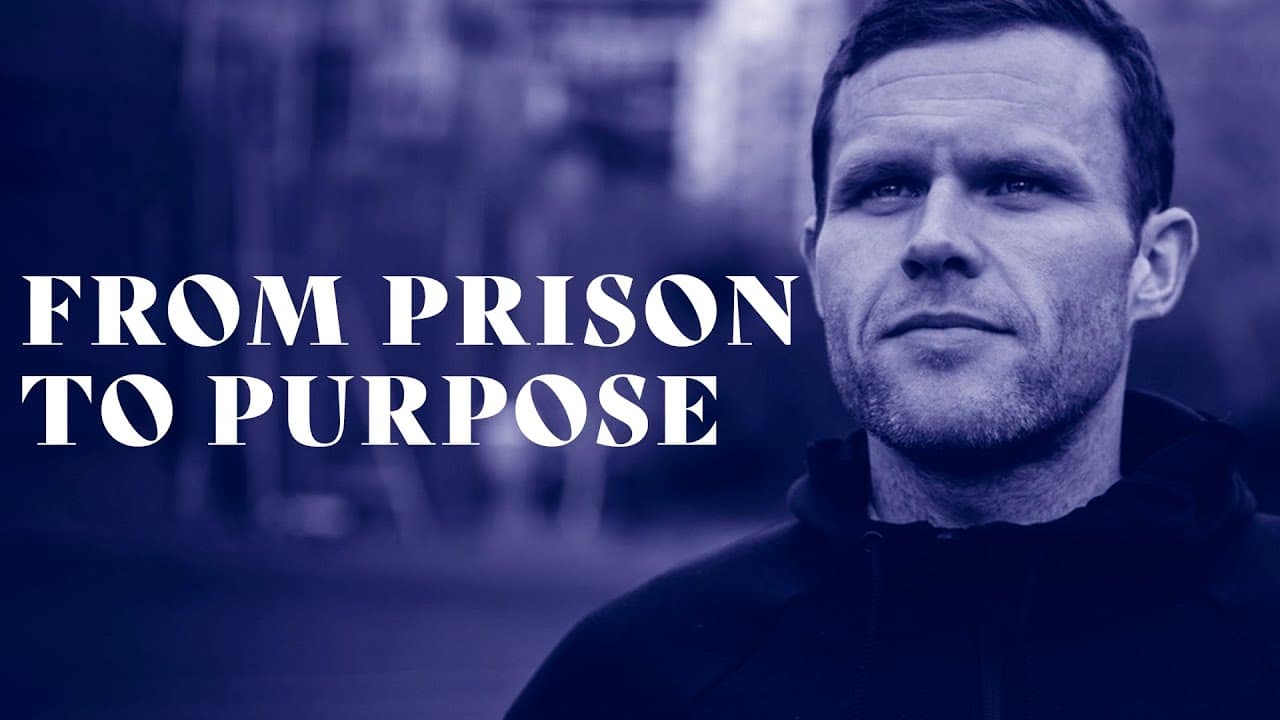
John McAvoy turned prison into purpose by rejecting his criminal existence and directing his intensity into endurance sport and service. After discovering an indoor rowing machine in prison, he set three world records and eight British records within roughly 18 months. He later became a Nike-sponsored Ironman athlete and prison reform advocate committed to helping disadvantaged people realize their potential. Read on to understand the mindset and actions behind his transformation.
Transcript
so that was it I was in I thought I'm gonna be an armed robber I I was doing all sorts of stuff obviously selling drugs and I can just carry on committing crime in Europe I looked round and you could see this tsunami of officers running towards me I think I kept saying I'm not going back to prison and in that brief moment I was fully prepared to di... Read More
Key Insights
- • McAvoy's criminal identity became so entrenched that he was fully prepared to die while attempting to avoid another imprisonment. His eventual transformation began when he recognized that he no longer wanted to live within the destructive existence created by crime.
- • A life sentence became the setting for McAvoy's change rather than the end of his prospects. Although he regrets his crimes, he does not regret imprisonment because it gave him the awareness that helped shape the person he later became.
- • Sport changed McAvoy's trajectory by converting intensity and determination into disciplined achievement. After trying an indoor rowing machine in the prison gym, he set three world records and eight British records within approximately 18 months.
- • Personal transformation is possible even after severe wrongdoing and restrictive circumstances. McAvoy moved from armed robbery and a double life sentence in Belmarsh prison to becoming a Nike-sponsored Ironman athlete, prison reform advocate, and example of purposeful change.
- • Service became McAvoy's moral obligation because sport helped prevent him from spending his adult life in prison or dying. He believes he must reach back and create similar opportunities for other people, particularly those facing disadvantage.
- • Constructive action can reshape how authorities evaluate a person's risk and potential. McAvoy's advocacy included meetings at 10 Downing Street about opening school facilities during holidays so community groups could offer disadvantaged children sports activities and healthy food.
- • McAvoy's life-sentence conditions were removed by the Secretary of State for Justice after authorities observed his positive work. The exceptional decision allowed him to travel freely and live without prior approval or the previous requirement to remain near his probation office.
- • Legacy is the positive improvement that continues in another person's life after an interaction or shared initiative. McAvoy defines purpose through helping people recognize their potential, rather than through status, possessions, or personal athletic achievement alone.
Install to Summarize YouTube Videos and Get Transcripts
Explore YouTube Video Summarizer or Get YouTube Transcript Extractor
Questions & Answers
Q: How did John McAvoy turn prison into purpose?
McAvoy decided he no longer wanted the existence created by crime and found a constructive outlet in the prison gym. After trying an indoor rowing machine, he trained intensely and set three world records and eight British records within roughly 18 months. Sport helped him build a new identity that later centered on advocacy, service, and helping others recognize their potential.
Q: Why does John McAvoy not regret going to prison?
McAvoy regrets his crimes but says he does not regret imprisonment because it gave him an awareness of life. He believes that difficult journey helped him become the person he is today and recognize that he wanted to leave his destructive existence behind.
Q: What role did indoor rowing play in John McAvoy's transformation?
Indoor rowing gave McAvoy a constructive direction for his intensity and determination. He had never used a rowing machine before encountering one in the prison gym, yet within roughly 18 months he had set three world records and eight British records.
Q: How did sport give John McAvoy a new identity?
Sport replaced criminal achievement with discipline, measurable progress, and athletic accomplishment. McAvoy progressed from a high-profile armed robber serving a double life sentence in Belmarsh prison to a Nike-sponsored Ironman athlete and prison reform advocate.
Q: Why were John McAvoy's life-sentence conditions removed?
The existing account connects the decision with the positive work authorities observed after McAvoy's release. The Secretary of State for Justice removed all of his life-sentence conditions, an outcome his probation officer described as exceptionally rare for someone serving a life sentence.
Q: How did McAvoy's life-sentence conditions restrict him?
McAvoy could not leave the United Kingdom without his probation officer's approval. A paperwork error prevented him from competing in an Ironman race in Hamburg, showing how directly the conditions affected his athletic opportunities and freedom to travel.
Q: What does service mean to John McAvoy?
McAvoy sees service as reaching back and creating opportunities for others, especially disadvantaged people. His advocacy included discussions at 10 Downing Street about opening school facilities during holidays so community groups could provide children with sports activities and healthy food.
Q: What does legacy mean to John McAvoy?
For McAvoy, legacy means helping people realize their potential and leaving their lives better through a positive interaction or initiative. He defines purpose through the improvement that continues in another person's life, rather than through personal status or athletic records alone.
Summary & Key Takeaways
-
John McAvoy describes progressing from drug dealing and armed robbery to becoming one of Britain's most wanted criminals. His willingness to die rather than return to prison illustrates how completely crime had shaped his identity. A life sentence eventually forced him to confront the destructive existence he no longer wanted to continue.
-
Sport provided McAvoy with a practical route toward change. After encountering an indoor rowing machine in the prison gym, he trained intensely and set three world records and eight British records within roughly 18 months. Athletic achievement revealed abilities that could support a different identity, direction, and purpose beyond criminal life.
-
After prison, McAvoy devoted himself to advocacy, sport, and opportunities for disadvantaged young people. His constructive work contributed to an exceptional decision removing all his life-sentence conditions. Freedom to travel led him to the Alps, where the mountains provided a sense of belonging he had never previously experienced.
Read in Other Languages (beta)
Share This Summary 📚
Summarize YouTube Videos and Get Video Transcripts with 1-Click
Try YouTube Summary with ChatGPT & Claude or YouTube Transcript Generator
Explore More Summaries from Rich Roll 📚




Summarize YouTube Videos and Get Video Transcripts with 1-Click
Try YouTube Summary with ChatGPT & Claude or YouTube Transcript Generator