What Israelis think about the Gaza war today?
TL;DR
Most Israelis interviewed express resilience and everyday life in Tel Aviv, while a minority voice concern about Gaza and Palestinian suffering. The street interviews show many prioritize Israelis' safety and hostages, and some acknowledge government actions are controversial, but few focus on Palestinian victims. The piece contrasts a lively city with a distant war.
Transcript
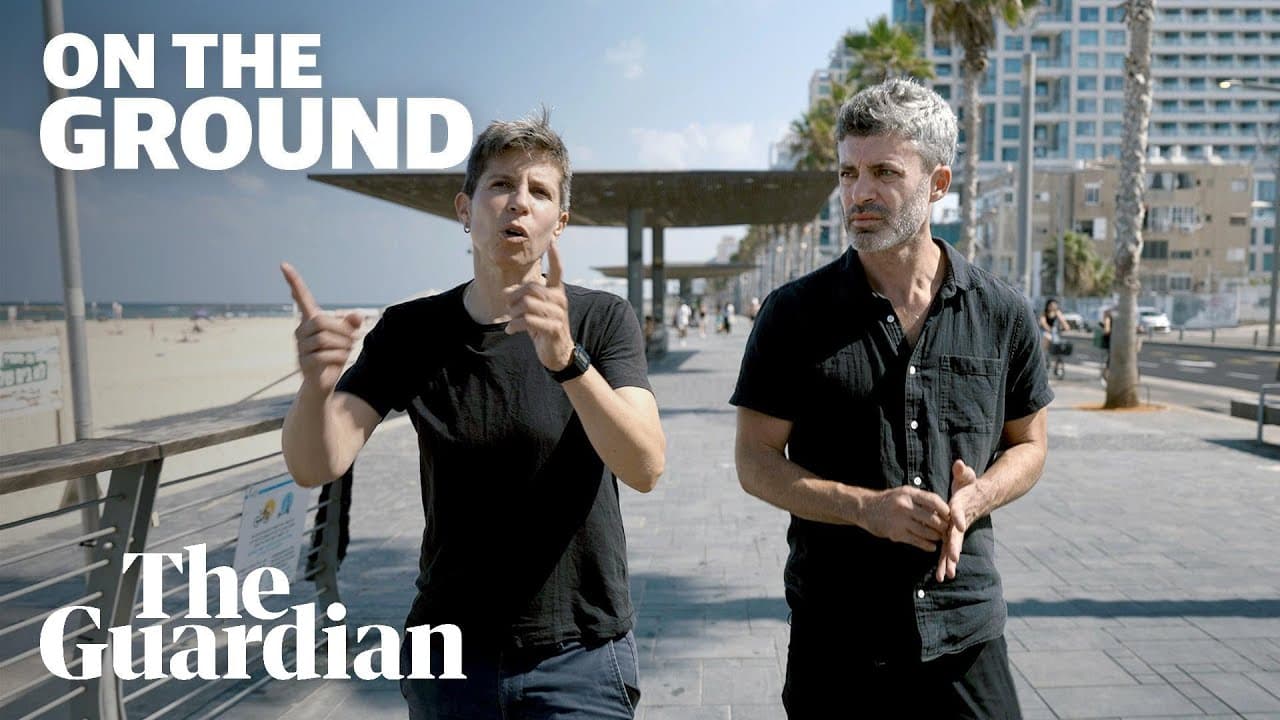
We're here walking along the beach in Tel Aviv and as you can see there are people out their families out enjoying the sea as they should. It's peak summer. But I can't help but think when I'm walking along the coast here that if you follow the coastline exactly 60 km south in that direction, you're going to reach Gaza. And there rights groups are ... Read More
Key Insights
- Tel Aviv residents describe a normal beach and nightlife despite reports of war, showing resilience and a disconnect between everyday life and the conflict.
- A rights group narrative on genocide in Gaza is mentioned, with participants noting that human rights concerns are present but contested within Israeli society.
- Certain interviewees express anger at Western coverage and emphasize Israeli security and hostages, shaping a pro-Israel sentiment in many conversations.
- Some participants acknowledge personal links to the military and a sense of duty, revealing the personal dimension of a national crisis.
- Anti-government demonstrations are visible in Tel Aviv, highlighting political engagement and dissent within Israel during the war.
- There is a recurring claim that Palestinian suffering is overshadowed by concerns about Israeli fatalities and political legitimacy.
- Some locals challenge the portrayal of Palestinians by asserting that suffering is linked to Hamas and military actions rather than civilian neglect alone.
- The piece notes difficulties in obtaining candid opinions due to social pressure and possible caution about talking to reporters in public spaces.
Install to Summarize YouTube Videos and Get Transcripts
Explore YouTube Video Summarizer or Get YouTube Transcript Extractor
Questions & Answers
Q: A real search query question about the video (e.g. 'How to...', 'What is...', 'Why does...', 'When should...'). Question 1
What do ordinary Israelis in Tel Aviv think about the Gaza war and its humanitarian impact? The video documents a range of views from daily life in a beach city to participation in protests, with many Israelis expressing resilience and a focus on hostages, while some acknowledge responsibility and the complexity of the conflict. It also notes skepticism about international narratives and media portrayals, reflecting a nuanced public mood rather than a single uniform opinion.
Q: Question 2
Why do some Israelis interviewed in Tel Aviv emphasize Israelis’ safety over Palestinian suffering? The report shows a priority on national security and the immediate human toll on Israelis and their families, including the return of hostages, which shapes conversations about the war. It also reveals that concern for Palestinians exists but is often framed within debates about Hamas and military actions.
Q: Question 3
What role does the genocide accusation by rights groups play in the video’s interviews? The film references Bet Salam and other organizations claiming genocide in Gaza, which prompts some interviewees to reflect on moral responsibility and whether actions are in their name. This framing introduces ethical tension into everyday conversations about war.
Q: Question 4
How does the video portray the gap between Tel Aviv life and the Gaza conflict? By juxtaposing beaches and nightlife with reports of famine and destruction, the piece highlights a disconnect between a vibrant civilian culture and the war next door, challenging viewers to consider how people compartmentalize distant suffering.
Q: Question 5
What does the video suggest about Israeli media and international perceptions of the war? It shows Israelis worried about Western opinions and narratives, suggesting that global commentary influences domestic discourse, shaping how people discuss the war and their stance on government policy and humanitarian issues.
Q: Question 6
How do interviewees describe Palestinians and Gaza in relation to Hamas? Some interviewees attribute civilian suffering to Hamas and argue that not all Gazans are innocent, reflecting a contested view of culpability that complicates calls for humanitarian concern with political blame.
Q: Question 7
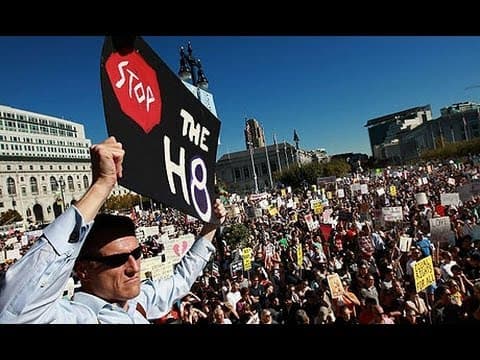
What is the atmosphere at Tel Aviv anti-government demonstrations as shown in the video? The scene features a strong political engagement with signs criticizing government leaders and advocating for hostages, illustrating active civil society and dissent alongside pro-government perspectives within the same urban space.
Q: Question 8
What challenges does the video depict about speaking with the public on sensitive topics? The crew experiences interruptions and warnings, suggesting social tension and risk when discussing the war and Palestinian suffering in public spaces, and highlighting the environment reporters navigate to capture candid opinions.
Summary & Key Takeaways
-
Tel Aviv is portrayed as a lively coastal city just 60km from Gaza, illustrating a contrast between normal life and the war in Gaza.
-
Interviews include both supportive and critical views of the Israeli government and the war, with some participants acknowledging responsibility.
-
The Guardian documentary highlights the complexity of opinions, including anti-government demonstrations and skepticism about media narratives.
Read in Other Languages (beta)
Share This Summary 📚
Summarize YouTube Videos and Get Video Transcripts with 1-Click
Try YouTube Summary with ChatGPT & Claude or YouTube Transcript Generator
Explore More Summaries from The Guardian 📚


Summarize YouTube Videos and Get Video Transcripts with 1-Click
Try YouTube Summary with ChatGPT & Claude or YouTube Transcript Generator