Why Does Ireland Have a Hidden Homeless Crisis?
TL;DR
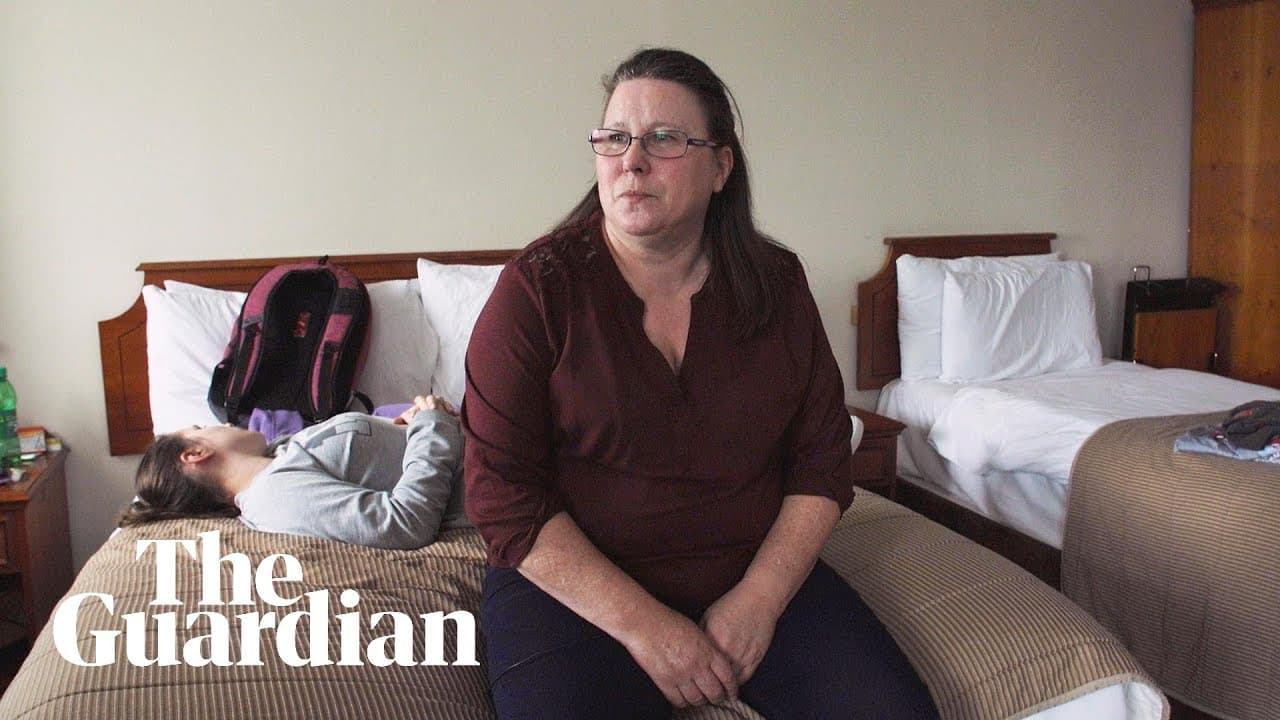
Ireland’s hidden homelessness crisis is driven by scarce social housing, soaring private rents, and too few rental properties for growing demand. Families such as Nuala and Laura can spend months searching while living in hotels, repeatedly renewing temporary accommodation and enduring uncertainty, stigma, anxiety, and the loss of an ordinary home life.
Transcript
Laura, do you know where the bag with the antibiotics is? Oh, here. That’s one antibiotic. Don’t know where the room key is. Nuala and her daughter Laura are homeless. For the last two weeks, this hotel room has been their home. I can never find this. There is no normality. It's the not knowing, the uncertainty, the insecurity, despair. What is goi... Read More
Key Insights
- Hidden homelessness is the experience of living in temporary hotels or hostels rather than sleeping visibly on the street. Nuala and Laura appear outwardly ordinary, yet they lack a permanent home, privacy, stability, and certainty about where they will live next.
- Housing insecurity is psychologically damaging even when emergency accommodation provides a bed. Nuala describes despair, numbness, reduced confidence, anxiety, and feelings of parental inadequacy, while basic achievements such as getting dressed and maintaining a daily routine require deliberate effort.
- Private rental scarcity is a central cause of the crisis. An experienced Dublin estate agent says demand greatly exceeds the available supply, properties attract intense competition, and rents have risen sharply, leaving even people who previously lived stable professional lives dependent on housing assistance.
- The Housing Assistance Payment scheme relies on private landlords to provide homes. Although councils contribute toward rent, qualified tenants must search the open market themselves, so financial eligibility does not guarantee housing when suitable rental properties are scarce and landlords have many applicants.
- Emergency hotel accommodation is more secure than nightly hostel placement, but it remains temporary. Nuala must contact the council regularly to renew the room, creating recurring uncertainty and relief that lasts only until the next booking deadline rather than providing genuine residential stability.
- Social housing shortages leave applicants waiting for long periods. Nuala has remained on the council list for years and expects a much longer wait, while the government’s housing strategy depends substantially on homes being delivered through private-sector involvement alongside directly funded state housing.
- Homelessness can follow an involuntary tenancy loss rather than personal misconduct. Nuala lost her longtime home because her landlord’s creditors forced a sale, and the short notice available to find another property proved inadequate in a market with limited supply and intense competition.
- A permanent home provides functions that a hotel room cannot reliably replace. Nuala wants somewhere to cook, wash, store possessions, feel safe, and establish normal routines, while her belongings remain in storage and her former home stands inaccessible after the end of her tenancy.
Install to Summarize YouTube Videos and Get Transcripts
Explore YouTube Video Summarizer or Get YouTube Transcript Extractor
Questions & Answers
Q: What is hidden homelessness in Ireland?
Hidden homelessness refers to people who lack a permanent home but are not necessarily sleeping on the street. They may live temporarily in hotels, hostels, or other emergency accommodation arranged by local authorities. Nuala and Laura illustrate this condition because they have a hotel room and maintain daily routines, yet face repeated renewals, insecurity, stigma, and no place they can truly call home.
Q: Why did Nuala and Laura become homeless?
Nuala and Laura became homeless after the landlord of their longtime Dublin home was forced by creditors to sell the property. They received limited notice to find another place, but Ireland’s highly competitive rental market offered too few affordable options. Their homelessness therefore resulted from losing a tenancy and being unable to replace it, not from addiction, rough sleeping, or a failure to seek housing.
Q: How does hotel accommodation affect homeless families?
Hotel accommodation gives families temporary shelter, but it does not provide the security or normality of a permanent home. Nuala must regularly confirm that she and Laura can remain in their room, while their possessions stay in storage. The setting limits ordinary domestic activities and creates persistent uncertainty, anxiety, shame, and concern about how hotel staff or other people perceive them.
Q: How does the Housing Assistance Payment scheme work for homeless tenants?
The Housing Assistance Payment scheme allows councils to contribute toward rent paid to private landlords. However, an eligible tenant such as Nuala remains responsible for finding a suitable property on the open market and persuading a landlord to accept the tenancy. When rental supply is scarce and demand is intense, the subsidy alone cannot ensure that a family will secure a home.
Q: Why is it difficult to rent a home in Dublin?
Finding a rental home in Dublin is difficult because the number of available houses and apartments does not meet demand from tenants entering the market. Properties can be taken before reaching a public viewing, and rents have risen sharply. Nuala submits applications repeatedly but receives no offer, showing how competition can exclude even applicants who qualify for council-supported rent payments.
Q: Why has social housing not resolved Ireland’s homelessness crisis?
Social housing has not resolved the crisis because construction has failed to keep pace with the large demand for permanent homes. Successive governments relied heavily on private developers to deliver housing, but the private sector did not provide enough. The government promises state-funded social homes through several delivery methods, yet applicants such as Nuala remain on long waiting lists while living in temporary accommodation.
Q: How does homelessness affect mental health and parenting?
Homelessness can undermine mental health by creating continuous uncertainty, loss of control, stigma, and repeated rejection. Nuala reports needing antidepressant and anti-anxiety medication to maintain a basic sense of normality. She also worries that her falling confidence and motivation affect her daughter, because a parent expected to provide safety and security is instead struggling with the same unstable circumstances.
Q: What would provide a lasting solution for families in emergency accommodation?
A lasting solution requires more permanent homes that tenants can actually access, including social housing and affordable rental properties. Housing payments can help with rent, and hotels can provide temporary shelter, but neither addresses the shortage of available homes. Nuala’s immediate need is a stable place where she and Laura can cook, wash, store their belongings, feel secure, and rebuild ordinary routines.
Summary & Key Takeaways
-
Nuala and her teenage daughter, Laura, became homeless after their longtime landlord was forced by creditors to sell their Dublin home. Unable to secure another rental, they moved through nightly hostel placements before receiving a hotel room that still had to be renewed regularly through the council’s accommodation booking service.
-
Although Nuala qualifies for the Housing Assistance Payment scheme, she must personally find a private landlord willing to accept her application. She searches listings at a library and applies repeatedly, but intense competition, limited supply, and rising rents prevent her from securing a home and steadily damage her confidence.
-
Ireland’s reliance on private developers and landlords has not produced enough social or rental housing to meet demand. Government representatives promise state-funded homes, but families remain in emergency accommodation while construction proceeds. For Nuala, homelessness creates persistent anxiety, dependence on medication, social stigma, and fear about her ability to protect her daughter.
Read in Other Languages (beta)
Share This Summary 📚
Summarize YouTube Videos and Get Video Transcripts with 1-Click
Try YouTube Summary with ChatGPT & Claude or YouTube Transcript Generator
Explore More Summaries from The Guardian 📚




Summarize YouTube Videos and Get Video Transcripts with 1-Click
Try YouTube Summary with ChatGPT & Claude or YouTube Transcript Generator