Why Does Memphis Have So Many Food Deserts?
TL;DR
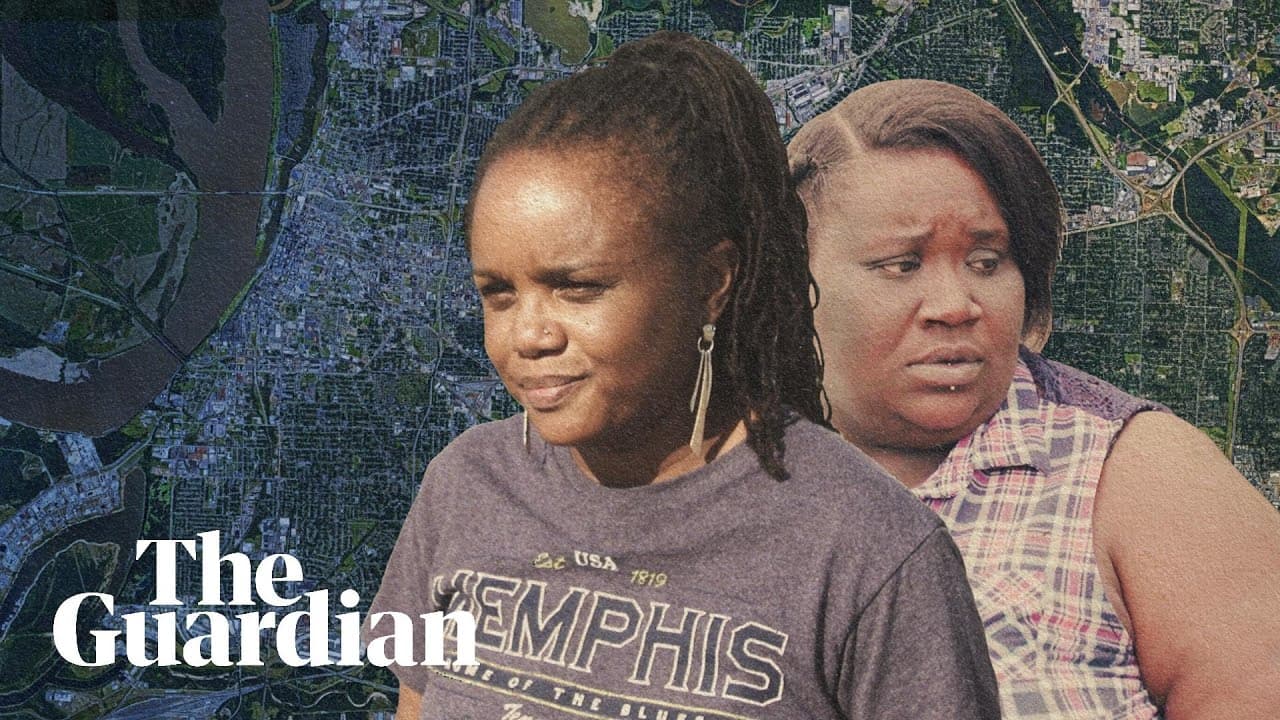
Memphis food deserts result from supermarket closures, limited transportation, poverty, population loss, and decades of disinvestment. Many South Memphis residents must spend up to 90 minutes reaching a grocery store while nearby convenience stores mainly offer processed food, snacks, and sugary drinks. Farmers markets, nutrition education, and broader community investment offer partial responses, but lasting health improvements require changing the neighborhood food environment.
Transcript
Right now, there are 23.5 million Americans who live in what we call 'food deserts'. We wanted to come up with priorities, what were the needs in the larger South Memphis area and one thing that came up over and over again was access to food. You can easily get to a McDonald's and there's food on every block, it's just not high-quality food. We bla... Read More
Key Insights
- A food desert is a place where most residents lack access to a supermarket, often while many households also lack transportation. In South Memphis, the closest supermarkets to one community office are 2.3 and 2.5 miles away, and one-third of nearby residents lack an automobile.
- Food availability is not the same as access to nutritious food. South Memphis has fast-food restaurants and convenience stores, but their shelves are largely filled with soda, chips, candy, sugary cereals, quick meals, and highly processed products rather than varied fresh ingredients.
- Transportation barriers make grocery shopping slow and stressful. Residents without cars may depend on friends or buses, with reported journeys taking 45 minutes to an hour in one case and about 90 minutes with two buses in another, assuming the buses arrive on time.
- Memphis food access differs sharply by neighborhood wealth and race. Affluent, majority-white East Memphis has Whole Foods, national grocery chains, Sprouts, and Fresh Market nearby, while residents only several miles away in distressed communities face long journeys to reach a supermarket.
- Population loss and neighborhood disinvestment have weakened the market for grocery stores. White flight and sprawl left vacant streets, blocks, and former family-owned grocery buildings, while operators view sparsely populated areas that appear dangerous as financially uncertain locations.
- Redlining shaped both housing and commercial investment in Memphis. Federal policies and lenders identified moderate-income, poor, Black, and minority neighborhoods as high-risk areas, restricting residential mortgages and contributing to reduced investment in small businesses within the same communities.
- Poor neighborhood food environments are linked in the transcript to serious health concerns. Health educators report seeing pre-diabetes, type 2 diabetes, hypertension, and elevated blood pressure not only in adults, but also in children as young as eight, nine, and 10.
- Community-led responses can improve local access even when supermarkets remain absent. The South Memphis farmers market emerged from a neighborhood revitalization plan after residents repeatedly identified food access as a priority, and local health programs teach families about nutritious ingredients and food preparation.
Install to Summarize YouTube Videos and Get Transcripts
Explore YouTube Video Summarizer or Get YouTube Transcript Extractor
Questions & Answers
Q: What is a food desert in Memphis?
A food desert is described as a place where most residents do not have access to a supermarket and where many people also lack transportation. In South Memphis, food may be available from fast-food restaurants and convenience stores, but high-quality options are limited. The nearest supermarkets to one community office are 2.3 and 2.5 miles away, while one-third of area residents lack an automobile.
Q: Why are there food deserts in South Memphis?
South Memphis food deserts developed through a combination of supermarket closures, poverty, population loss, white flight, sprawl, and restricted investment. Entire streets and blocks became vacant, and former family-owned grocery stores disappeared. Grocery operators question whether stores in sparsely populated and distressed neighborhoods can make money. Historical redlining also discouraged residential mortgages and small-business investment in Black, minority, moderate-income, and poor communities.
Q: How do South Memphis residents reach grocery stores without cars?
Residents without automobiles may ask friends or relatives for rides or rely on public buses. One mother reports that a bus trip to the grocery store takes about 45 minutes to an hour. Another resident takes one bus to the North Terminal, transfers to a second route, and spends about 90 minutes traveling when the buses arrive on time. She describes the journey as stressful but necessary.
Q: What food is available in Memphis convenience stores?
Typical neighborhood convenience stores offer limited produce, such as potatoes and onions, but much more soda, chips, cookies, candy, Kool-Aid, sugary cereals, and processed meat products. These stores can provide quick foods, including items that may not satisfy a family for long, but they do not offer the same range of vegetables, meats, grains, and cooking ingredients available at a full supermarket.
Q: How does food access differ between East and South Memphis?
East Memphis is described as a majority-white, upper-middle-class and wealthy area where many residents own multiple cars and have extensive access to fresh food. The documentary identifies Whole Foods, national grocery chains, Sprouts, and Fresh Market within a relatively small area. By contrast, residents several miles away in distressed South Memphis neighborhoods may need lengthy bus journeys or assistance from others to reach a supermarket.
Q: How did redlining contribute to food inequality in Memphis?
Redlining was a federal policy from the 1930s in which housing officials, policymakers, and lenders mapped places they considered risky for residential mortgages. These areas commonly included neighborhoods occupied by moderate-income and poor residents, Black residents, and other minorities. When banks withheld mortgage investment, they also avoided investing in small businesses, helping create long-term patterns of neighborhood disinvestment that continued to resemble lending patterns in 2019.
Q: What health problems are associated with poor food access in Memphis?
Local health educators report common conditions ranging from pre-diabetes and type 2 diabetes to hypertension and elevated blood pressure. Problems once associated mainly with middle-aged adults or grandparents are now being observed in children aged eight, nine, and 10, including fourth-grade and middle-school students. Advocates argue that blaming individuals is ineffective because neighborhood food choices and the wider environment strongly shape eating habits and health.
Q: What solutions are Memphis communities using to improve food access?
Community efforts include nutrition education, cooking activities, neighborhood planning, and the South Memphis farmers market. The market began after a revitalization action plan repeatedly identified food access as a neighborhood priority, and it reached its 10th season in the transcript. Residents value it as a source of food that had moved away from their community, while advocates also call for healthier restaurants, supermarket investment, and broader environmental change.
Summary & Key Takeaways
-
South Memphis residents often live miles from supermarkets and lack reliable transportation. One-third of residents near a local community office have no automobile, while the closest supermarkets are 2.3 and 2.5 miles away. Grocery trips can require multiple buses, outside assistance, and journeys lasting from 45 minutes to 90 minutes.
-
Neighborhood convenience stores provide food, but their selections are dominated by soda, chips, candy, sugary cereals, and processed meat products. Residents can buy quick meals nearby, yet reaching a supermarket gives families access to vegetables, staple foods, meat, and enough ingredients to prepare substantial meals that are more filling and varied.
-
Memphis food inequality reflects poverty, population loss, white flight, sprawl, redlining, and limited business investment. Affluent East Memphis has several supermarkets within a short distance, while distressed neighborhoods have few options. Community responses include nutrition education and the South Memphis farmers market, but advocates say environmental and economic change is essential.
Read in Other Languages (beta)
Share This Summary 📚
Summarize YouTube Videos and Get Video Transcripts with 1-Click
Try YouTube Summary with ChatGPT & Claude or YouTube Transcript Generator
Explore More Summaries from The Guardian 📚






Summarize YouTube Videos and Get Video Transcripts with 1-Click
Try YouTube Summary with ChatGPT & Claude or YouTube Transcript Generator