How Black Riders Shaped American Cowboy Culture
TL;DR
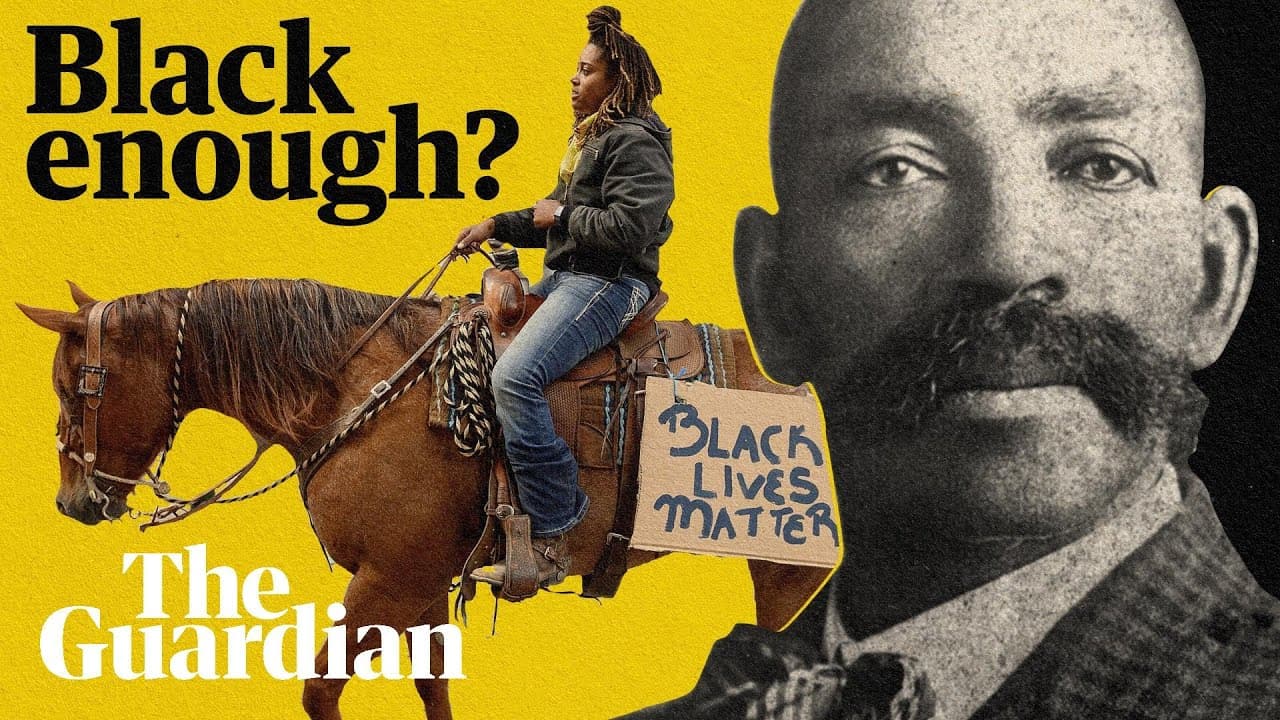
Black ranchers and skilled horse riders were central to the development of American cowboy culture, but popular Westerns largely replaced them with white heroes. Their influence survives through historical figures such as Nat Love, Bill Pickett, Bose Ikard, Bass Reeves, and Johanna July, as well as modern riders, museums, rodeos, and equestrian groups working to preserve that legacy.
Transcript
This is Brianna Noble on her horse Dapper Dan in Oakland, California back in June. She was the first documented rider to join the Black Lives Matter protests and she was the first of many. The images of Brianna and her fellow riders were so powerful and arresting because a lot of us hadn't seen this before. Nobody is going to ignore a black woman... Read More
Key Insights
- Black ranch workers were foundational cowboys, and the transcript says the word cowboy was once reserved specifically for Black ranchers, including enslaved workers. White ranch workers in Texas were instead called cowhands, reflecting the racial hierarchy embedded in the original terminology.
- Black cowboys represented a substantial part of the ranching workforce, although their precise presence may have been undercounted. Larry Callies argues that ranch owners sometimes concealed Black workers when census officials arrived because they wanted to avoid paying taxes.
- African American ranchers possessed valuable cattle-handling skills after slavery was abolished. White cattle farmers therefore hired them, and their work alongside Mexican vaqueros helped establish the practices and personal stories that later fed the romantic image of the Old West.
- Nat Love was an expert marksman and highly regarded cowboy known as Deadwood Dick. Larry Callies says white television cowboys imitated him, illustrating how popular entertainment could borrow from Black cowboy traditions without preserving the identity of their original practitioners.
- Black riders made distinct contributions across ranching and law enforcement. Bill Pickett invented bulldogging, Bose Ikard pioneered cattle drives on the Goodnight-Loving trail, Bass Reeves captured thousands of convicts, and Johanna July's skill with wild horses attracted the attention of the US Army.
- Hollywood whitewashed cowboy history by making the American cowboy overwhelmingly white. The Searchers drew inspiration from the story of Black frontiersman Brit Johnson but featured John Wayne, while the Black figure associated with the Lone Ranger was transformed into a masked white character.
- Segregation restricted Black cowboys from riding publicly and participating fully in cowboy culture. Later access to rodeo competition allowed riders such as Larry Callies to gain recognition, while the Bill Pickett rodeo became a particularly important celebration for the Black horse-riding community.
- Modern Black equestrian groups preserve history while improving access to riding. Brianna Noble, the Compton Cowboys, urban riding programs, museums, and Black rodeos promote inclusion, teach younger people about their heritage, and demonstrate that Black cowboy culture remains active rather than merely historical.
Install to Summarize YouTube Videos and Get Transcripts
Explore YouTube Video Summarizer or Get YouTube Transcript Extractor
Questions & Answers
Q: Why were many early American cowboys Black?
Many early cowboys were Black because enslaved ranch workers already performed difficult cattle and horse work in Texas. After slavery was abolished, white cattle farmers needed experienced workers and hired skilled African Americans. These ranchers worked alongside Mexican vaqueros and became central to the cattle industry, even though later popular culture largely presented cowboy history through white characters.
Q: What did the word cowboy originally mean?
The transcript describes cowboy as a term once reserved specifically for Black ranchers, including enslaved workers. A white person doing similar horse and cattle work in Texas was called a cowhand. The racialized word boy was used when Black workers were ordered to handle cattle, showing that the familiar occupational label emerged from unequal social and labor conditions.
Q: How common were Black cowboys in the Old West?
Historians cited in the transcript estimate that one in four cowboys were Black, but Larry Callies believes the real share was larger. He says ranch owners sometimes hid groups of Black cowboys in the woods before census workers arrived because they did not want to pay taxes. The account suggests that official records may not show their full presence.
Q: Who were some influential Black cowboys and riders?
Nat Love was an expert marksman known as Deadwood Dick, while Bill Pickett invented bulldogging by wrestling cattle to the ground using their horns. Bose Ikard pioneered cattle drives on the Goodnight-Loving trail. Johanna July became known for taming wild horses and was hired by the US Army after her abilities attracted its attention.
Q: Was Bass Reeves the inspiration for the Lone Ranger?
The transcript presents Bass Reeves as the real Lone Ranger and describes him as an exceptional marshal who captured over 3000 convicts during his lifetime. It argues that popular culture would not accept this heroic figure as a Black man, so the familiar Lone Ranger image became a white man wearing a black mask, obscuring the Black history behind the story.
Q: How did Hollywood change the image of the American cowboy?
Hollywood made white actors and characters the dominant image of cowboy culture, exporting that identity around the world. The Searchers was based on a novel whose notes drew direct inspiration from Black frontiersman Brit Johnson, yet John Wayne played the hero. Similar whitewashing affected the Lone Ranger, separating widely known Western stories from the Black people connected to them.
Q: How did segregation affect Black cowboys?
Segregation laws prevented many Black cowboys from saddling up in public until the mid-60s. As access expanded in the 70s, more Black riders could compete in rodeos. Larry Callies became only the second African American finalist in the Texas state high school finals, an achievement he now preserves through his own museum and its historical displays.
Q: How is Black cowboy culture being preserved today?
Black riders preserve the culture through rodeos, museums, riding groups, youth programs, and public appearances. The Bill Pickett rodeo brings together riders of color, while organizations in places such as Philadelphia, Detroit, Compton, and Oakland expand access to horses. Brianna Noble and the Compton Cowboys also emphasize inclusion, heritage, and the centuries-long contributions of Black equestrians.
Summary & Key Takeaways
-
Black cowboys played a foundational role in American ranching. The term cowboy was originally applied specifically to Black ranch workers, while white workers were called cowhands. After slavery ended, cattle farmers hired skilled African American ranchers, who worked alongside Mexican vaqueros and helped inspire the celebrated traditions of the Old West.
-
Prominent Black figures included expert marksman Nat Love, bulldogging innovator Bill Pickett, cattle-drive pioneer Bose Ikard, marshal Bass Reeves, and horse trainer Johanna July. Their accomplishments influenced cowboy stories, yet many individuals remained regionally known or completely unrecognized because they never received an appropriate national or international platform.
-
Hollywood established the white cowboy as an American cultural symbol by adapting stories connected to Black historical figures while casting white heroes. Modern riders and organizations challenge that image through Black rodeos, museums, riding groups, youth programs, and public demonstrations that celebrate Black heritage and expand access to horses and equestrian culture.
Read in Other Languages (beta)
Share This Summary 📚
Summarize YouTube Videos and Get Video Transcripts with 1-Click
Try YouTube Summary with ChatGPT & Claude or YouTube Transcript Generator
Explore More Summaries from The Guardian 📚



Summarize YouTube Videos and Get Video Transcripts with 1-Click
Try YouTube Summary with ChatGPT & Claude or YouTube Transcript Generator