How Does Your Immune System React to Tattoos?
TL;DR
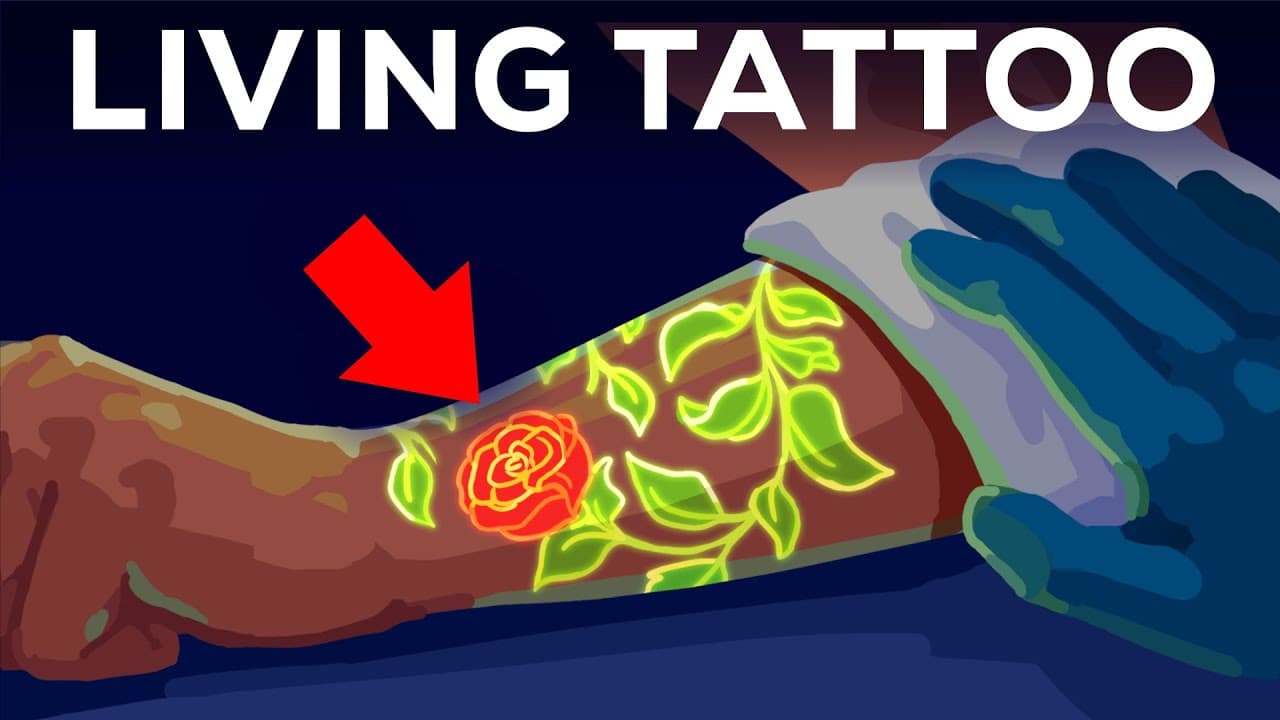
When you get a tattoo, your immune system reacts by sending macrophages to combat the ink and any bacteria introduced during the process. These immune cells trap the ink particles, leading to the permanence of the tattoo. Over time, however, some ink may escape, causing tattoos to fade.
Transcript
Your tattoos are inside your immune system, literally. With each very tasteful piece of art, you kick start a drama with millions of deaths, grand sacrifices and your immune system stepping in to protect you from yourself. Let's give you a tattoo and zoom in to see what happens inside your skin. The Conveyor Belt of Death Your skin has to ... Read More
Key Insights
- 🦠 Skin serves as a protective barrier against microbes and damage, constantly replenishing itself.
- 💀 Tattooing involves penetrating the skin's dead layer and triggering a violent immune response.
- 😉 Macrophages play a crucial role in fighting bacteria, attempting to destroy tattoo ink particles, and trapping them to prevent them from spreading.
- 😉 Tattoo ink can contain heavy metals and chemicals that the immune system tries to isolate.
- 😉 Tattoos fade as ink particles escape and are carried away by bodily fluids.
- 🦺 The immune system's response to tattooing showcases its protective nature and the sacrifices made to keep the body safe.
- 😉 Removing tattoos through laser treatments breaks down ink particles but triggers a renewed immune response.
Install to Summarize YouTube Videos and Get Transcripts
Explore YouTube Video Summarizer or Get YouTube Transcript Extractor
Questions & Answers
Q: How does your skin protect you from foreign substances and maintain its waterproof coat?
Stem cells in the skin constantly produce new skin cells that move from the inside to the outside, interlock with each other, and create a waterproof coat using Lamellar bodies.
Q: What happens when a tattoo needle penetrates the skin?
The tattoo needle creates wounds in the skin, triggering a reaction from the immune system. Macrophages rush to the wounds, kill bacteria, release chemicals to call for reinforcements, and cause swelling.
Q: How does the immune system respond to tattoo ink particles?
Macrophages attempt to engulf and destroy ink particles, but they can't dissolve them. Skin cells and macrophages surround larger ink particles, trapping them within themselves.
Q: Why do tattoos fade over time?
Over time, some ink particles may escape the tattoo and spread throughout the body. Additionally, laser tattoo removal breaks down ink particles, but new macrophages rush in to lock the ink in place.
Summary & Key Takeaways
-
Your skin is your largest organ and serves as a protective barrier against microbes, dirt, and other external factors.
-
Tattooing involves penetrating the dead layer of skin to reach the dermis, causing a violent reaction from your immune system.
-
Macrophages, immune cells, attempt to destroy and trap tattoo ink particles, resulting in the permanence of tattoos.
Read in Other Languages (beta)
Share This Summary 📚
Summarize YouTube Videos and Get Video Transcripts with 1-Click
Try YouTube Summary with ChatGPT & Claude or YouTube Transcript Generator
Explore More Summaries from Kurzgesagt – In a Nutshell 📚





Summarize YouTube Videos and Get Video Transcripts with 1-Click
Try YouTube Summary with ChatGPT & Claude or YouTube Transcript Generator