How Moderates Thrive in 2026 Midterms?
TL;DR
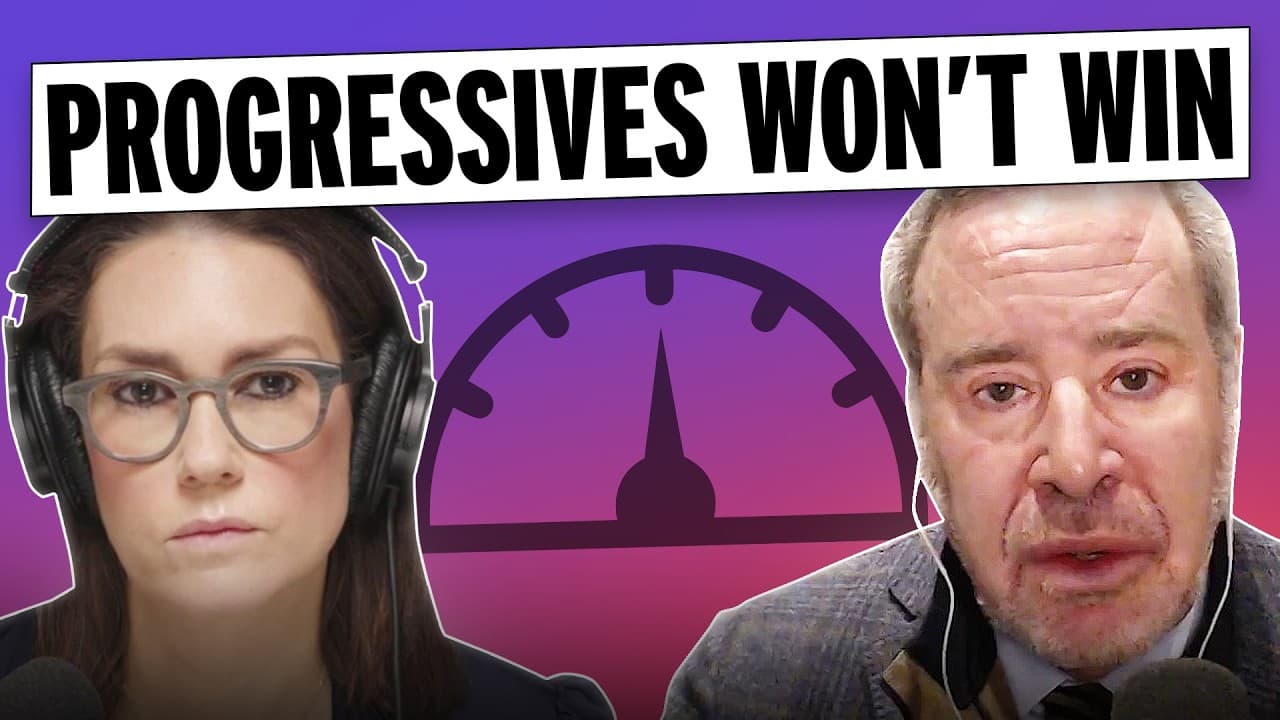
Moderates can win by combining a forward looking message with practical, district specific appeals. The host emphasizes that midterm success comes from tailoring campaigns to local electorates rather than pushing a single national script. The discussion also notes the importance of a positive view of the future and caution about universal messages that may not fit every district.
Transcript
So, it has been nearly a year since Democrats lost the White House. I'm still sad, but you wouldn't know it from watching their campaign ads. From Virginia to New Jersey to California, candidates are still running hard against Donald Trump, warning voters that the Republican opponents are just extensions of the presidency. Strategy may fire up the ... Read More
Key Insights
- Moderates should focus on a future oriented, affirmative message to mobilize voters. The key to success is tailoring messages to local constituencies rather than using a universal national script.
- Midterm performance depends on the ability to address diverse district concerns, including economic and social issues, rather than pushing a one dimensional agenda.
- No Kings protests energized some voters but did not automatically translate into broad support; messaging must align with everyday voter concerns and not rely on symbolic events alone.
- Electoral strategy varies by district: affluent, upscale areas may respond to economically moderate and mildly liberal social messaging, while other districts require different emphasis.
- Successful midterm campaigns depend on presenting clear contrasts with the incumbent while acknowledging complexities of voters across regions.
- The conversation suggests that Trump’s perceived autocratic tendencies influence voter attitudes, shaping how moderates frame their future oriented messages.
- Candidates need to avoid overstating a universal plan and instead present pragmatic, district specific policy proposals that address local needs.
- The timing and tone of messaging matter, with midterms requiring practical, not purely aspirational, messaging that resonates with everyday concerns.
- More videos from this channel:
- More from this channel: The Prof G Pod – Scott Galloway
Install to Summarize YouTube Videos and Get Transcripts
Explore YouTube Video Summarizer or Get YouTube Transcript Extractor
Questions & Answers
Q: A real search query question about the video (How to, What is, Why does). Question 1
What makes a moderate winning strategy in a 2026 midterm according to the discussion is to balance an affirmative, future oriented message with practical, district level appeals. It emphasizes tailoring messages to the concerns of different constituencies, rather than applying a single nationwide slogan. This approach can help attract voters across diverse regions by addressing local economic and social issues.
Q: Question 2
How do No Kings protests influence the messaging strategy for moderates, and why is that important for midterms. The discussion notes the protests energized some voters but cautions that a successful message must go beyond symbolism and connect with concrete local issues. This means campaigns should translate activism into tangible policy proposals that matter to voters in specific districts.
Q: Question 3
Why is an affirmative future oriented message considered essential for electoral success in some districts, and how does this relate to presidential campaigns. The host argues that opposition to the incumbent can be effective, but voters also want a credible vision for the future. A tailored approach helps address varying concerns across districts rather than a one size fits all tactic.
Q: Question 4
How does district variability affect midterm messaging, and what does it imply for candidates in upscale versus diverse districts. The conversation indicates that affluent, upscale areas respond to economically moderate and mildly liberal social messaging, while other districts require different emphases. Campaigns should customize their messaging to local demographics and priorities.
Q: Question 5
What role do concerns about autocratic tendencies and governance play in moderates strategy, and how should candidates respond. The discussion suggests acknowledging concerns about concentration of power and the need for accountability without alienating voters who may prioritize practical economic and daily life issues. This balance helps broaden appeal across coalitions.
Q: Question 6
How can midterm campaigns maximize the effect of a district specific, issue driven approach without losing cohesion across a party. The key is to articulate clear policy contrasts with the incumbent while adapting to local priorities, ensuring that the national narrative does not erase important regional differences and voter concerns.
Q: Question 7
Why is it important to discuss the future and avoid over reliance on past grievances in midterm messages. The speakers emphasize focusing on future oriented proposals and tangible improvements rather than dwelling on past missteps, which helps attract younger voters and those seeking forward looking governance.
Q: Question 8
What does the host say about the role of different party factions in shaping midterm outcomes, and how should candidates engage them. The dialogue notes the influence of various constituencies from Bernie Sanders supporters to more moderate voters, suggesting that successful campaigns will need to reach a broad coalition by addressing diverse priorities and concerns.
Summary & Key Takeaways
-
A broad strategy for moderates in elections centers on future oriented messaging and district tailored campaigns that resonate locally while avoiding one size fits all solutions.
-
The discussion highlights the No Kings protests as a catalyst that energized voters but notes the need for messages that address concrete local concerns and the realities of different constituencies.
-
A core takeaway is that midterm dynamics favor the out party’s ability to customize messages across districts, whereas the in party often must unify a single message for diverse areas.
Read in Other Languages (beta)
Share This Summary 📚
Summarize YouTube Videos and Get Video Transcripts with 1-Click
Try YouTube Summary with ChatGPT & Claude or YouTube Transcript Generator
Explore More Summaries from The Prof G Pod – Scott Galloway 📚
Summarize YouTube Videos and Get Video Transcripts with 1-Click
Try YouTube Summary with ChatGPT & Claude or YouTube Transcript Generator