Why are Putin's options shrinking in the war
TL;DR
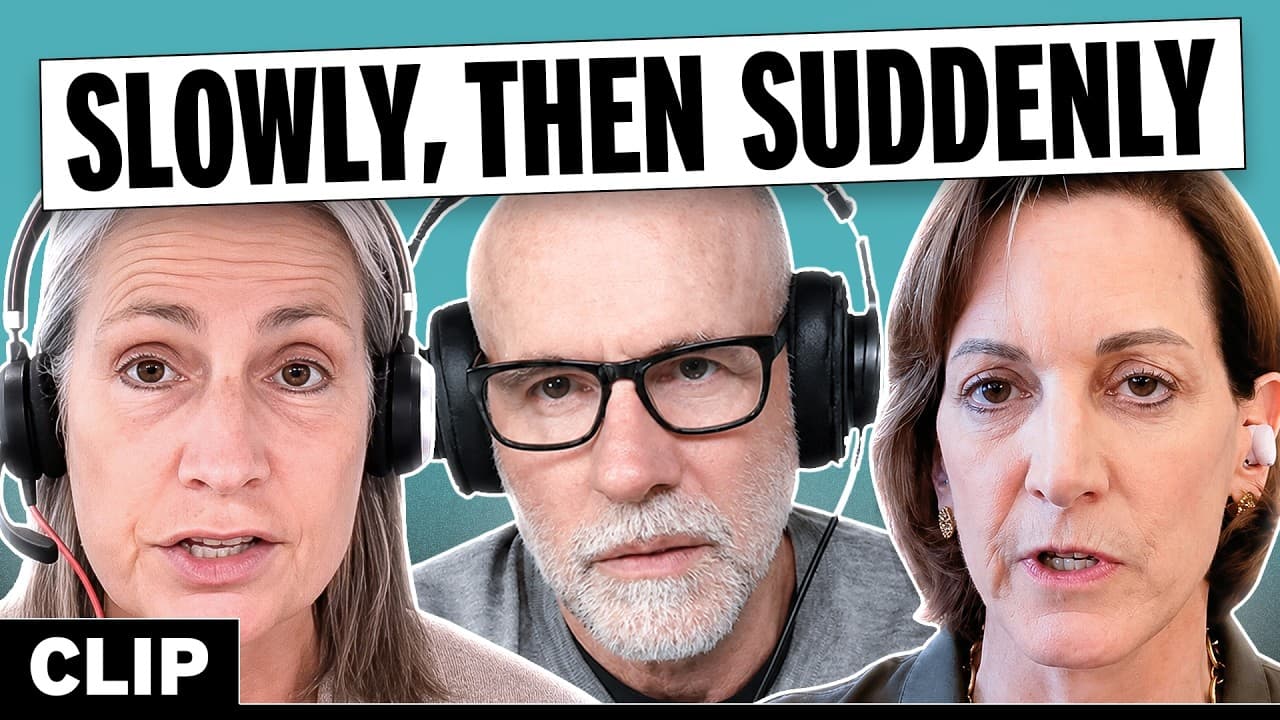
Putin faces tighter choices as sanctions bite and Russian society grows wary. The leaked Kremlin slide suggests a possible plan to sell a victory while preserving power, but internal elite divisions and the costs of war constrain options. A negotiated pause could exist, yet its viability depends on political calculations and messaging at home.
Transcript
Siana, I'll put the same question to you that we asked about Iran. What does the domestic political landscape look like right now in Russia? >> Well, it looks very different from Iran, let's say, and also from the state of Ukraine, because look, everything in Russia is a vertical of power leading up to Putin. And I think in the way that Ann has jus... Read More
Key Insights
- Putin’s control remains tight but begins to crack as the war constrains options and elites reassess their positions.
- Russia faces a narrowing set of decisions due to economic sanctions and war costs, which reduce room for escalation and intensify power struggles.
- The war is perceived differently inside Russia and among elites, with some factions preferring a negotiated settlement to preserve influence and avoid further losses.
- A leaked Kremlin plan shows consideration of selling a ceasefire as a victory, revealing how Moscow weighs messaging to sustain legitimacy.
- Oil sanctions complicate revenue streams, undermining the assumption that higher prices automatically strengthen Moscow’s war effort.
- Casualty ratios and battlefield losses influence domestic legitimacy and could push leaders toward adjusting strategy to avoid an open political crisis.
- Putin is concerned about historical precedents of autocrats falling suddenly, creating a perpetual risk of abrupt regime change without a clear succession plan.
- Internal competition between defense industry interests and security services may determine whether the war ends or continues, underscoring the fragility of the system without a obvious successor.
- More videos from this channel:
- More from this channel: The Prof G Pod – Scott Galloway
Install to Summarize YouTube Videos and Get Transcripts
Explore YouTube Video Summarizer or Get YouTube Transcript Extractor
Questions & Answers
Q: What factors limit Putin’s ability to escalate the war further?
Putin faces constraints from economic sanctions, which can reduce military procurement and increase the cost of maintaining long campaigns. He also navigates a wary elite and security services that weigh the costs of extended conflict against preserving influence. Public messaging must balance legitimacy and control amid growing casualties and international pressure.
Q: Could a negotiated settlement be considered without losing power?
A negotiated settlement could be seen as a way to pause the conflict while preserving a political facade of strength. The key is whether the leadership can frame the agreement as a strategic triumph, avoid appearing weakened, and maintain the loyalty of essential elites and security structures who support continued influence and resource access.
Q: What role does the leaked Kremlin slide play in shaping Kremlin strategy?
The leaked slide demonstrates how Moscow contemplates selling an end to the war as a victory, which reveals strategic thinking about messaging and legitimacy. It indicates that moving from active combat to a narrative of success may be considered a tool to stabilize the regime while potentially curbing further losses.
Q: How does oil revenue relate to Russia’s war effort in this context?
Despite higher oil prices, sanctions constrain revenues that could otherwise fund military needs. This reduces Moscow’s ability to source international components and sustain weapon development, making the war more costly and complicating long term plans for expansion or sustained pressure on Ukraine.
Q: Why is Putin described as worried about his own society and elites?
Putin’s concern stems from the historical pattern of autocratic leaders facing domestic pressure when mobilization is ineffective or casualties mount. The regime relies on a tight grip over power; rising discontent or elite divergence could threaten the balance of control, prompting careful decisions about escalation, negotiation, or political reshaping.
Q: What are the risks of a sudden political shift in Russia?
A sudden shift is plausible given the absence of a clear succession and the fragility of institutions without a designated successor. Historically, autocrats may fall quickly after stagnation or crisis, and the lack of internal consensus could accelerate changes in leadership or policy, even if current power remains ostensibly stable.
Q: How might the war stigma affect future Russian political stability?
If the war is framed as a victory while real costs and losses persist, legitimacy could erode as reality diverges from messaging. Conversely, if elites manage to suppress dissent and present a credible narrative, stability might endure. The balance between perception and verifiable outcomes will shape political resilience.
Q: What internal dynamics could influence the endgame of the conflict?
Internal dynamics include competition between defense industry interests and security services, competing visions for exit strategies, and the influence of those who gain from ongoing mobilization versus those who fear prolonged costs. These debates can determine whether the war ends, pauses, or continues with shifted tactics and messaging.
Summary & Key Takeaways
-
Putin is constricted by a tightening political calculus as military and economic pressures mount, limiting his ability to escalate or sustain the war without broader support. The leadership faces a shrinking set of viable paths that balance security, legitimacy, and survival.
-
Russia’s internal dynamics are crucial, with elites and security services possibly pushing for different outcomes. The absence of a clear successor adds fragility, making dramatic moves riskier and increases the chance of behind-the-scenes power struggles shaping any settlement.
-
The leaked Kremlin slide signals a potential exit strategy framed as victory, highlighting how information campaigns are used to manage public perception and maintain control even when strategic options appear constrained.
Read in Other Languages (beta)
Share This Summary 📚
Summarize YouTube Videos and Get Video Transcripts with 1-Click
Try YouTube Summary with ChatGPT & Claude or YouTube Transcript Generator
Explore More Summaries from The Prof G Pod – Scott Galloway 📚

Summarize YouTube Videos and Get Video Transcripts with 1-Click
Try YouTube Summary with ChatGPT & Claude or YouTube Transcript Generator