How to Repair an Ultra Low-Temperature Refrigeration System
TL;DR
To repair an ultra low-temperature refrigeration system, first identify any leaks or blockages in the system, particularly focusing on non-factory fittings. Utilizing a two-stage cascade refrigeration approach allows for efficient operation at -100°C, ensuring proper refrigerant types and pressure ratios are maintained for optimal performance.
Transcript
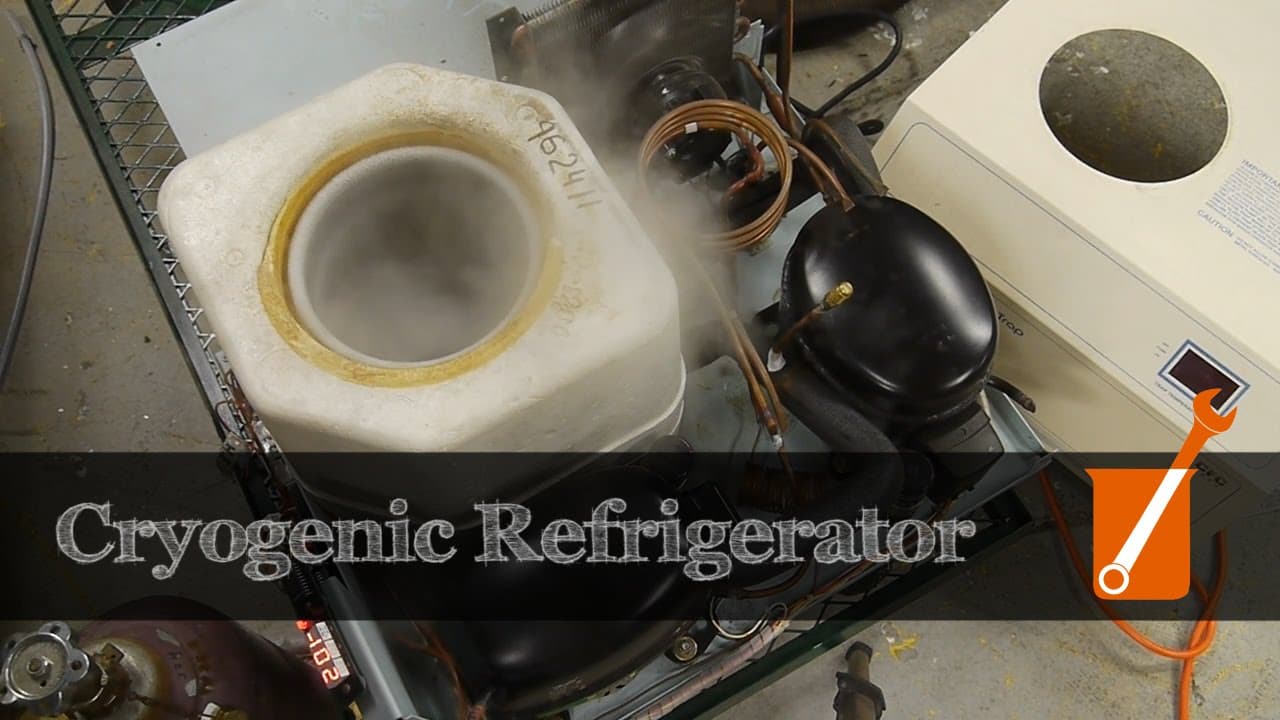
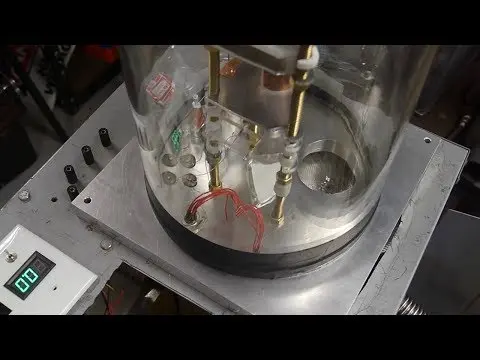
hey everyone I recently picked up this refrigeration unit at a surplus sale and just got it working last night so I thought I'd talk about what I learned about the system and how I got it working this unit is called a cold trap and the idea is that this chamber here gets down to about negative 100 degrees C and you connect your vacuum line to this ... Read More
Key Insights
- 🪤 Cold trap refrigeration units use phase change to condense impurities in vacuum lines at ultra-low temperatures.
- 😀 Achieving -100°C temperature requires a two-stage cascade refrigeration system due to refrigerant limitations.
- 🅰️ Troubleshooting in refrigeration systems involves identifying leaks, replacing fittings, and ensuring proper refrigerant types.
- 🎴 Pressure ratios play a crucial role in achieving ultra-low temperatures in refrigeration systems.
- 🥳 Refrigeration systems rely on efficient compression ratios to maintain optimal performance.
- 😘 Ethylene gas is a common refrigerant used in achieving extremely low temperatures in refrigeration units.
- ❓ Proper sealing techniques are essential in refrigeration systems to prevent leaks and ensure efficient operation.
Install to Summarize YouTube Videos and Get Transcripts
Explore YouTube Video Summarizer or Get YouTube Transcript Extractor
Questions & Answers
Q: How does a cold trap refrigeration unit function?
A cold trap refrigeration unit operates by using phase change to condense impurities in vacuum lines at ultra-low temperatures, typically around -100°C.
Q: Why is achieving -100°C temperature challenging in refrigeration systems?
Achieving -100°C temperature is challenging due to limitations in refrigerant fluid properties and the necessity of a two-stage cascade refrigeration system to handle the pressure ratio effectively.
Q: What issues can arise in cold trap refrigeration systems?
Common issues in cold trap refrigeration systems include leaks from non-factory fittings, inefficient compression ratios, and refrigerant property limitations.
Q: How can one troubleshoot a cold trap refrigeration unit?
Troubleshooting a cold trap refrigeration unit involves identifying leaks, replacing non-factory fittings, verifying refrigerant types, and ensuring proper pressure levels for optimal performance.
Summary & Key Takeaways
-
Cold trap refrigeration units utilize phase change to condense impurities in vacuum lines at -100°C.
-
Achieving -100°C temperature involves two-stage cascade refrigeration to handle pressure ratios and fluid properties.
-
Troubleshooting involved identifying a leak due to a non-factory fitting and replacing it for optimal performance.
Read in Other Languages (beta)
Share This Summary 📚
Summarize YouTube Videos and Get Video Transcripts with 1-Click
Try YouTube Summary with ChatGPT & Claude or YouTube Transcript Generator
Explore More Summaries from Applied Science 📚
Summarize YouTube Videos and Get Video Transcripts with 1-Click
Try YouTube Summary with ChatGPT & Claude or YouTube Transcript Generator