Olestra (zero calorie cooking oil) - chemical synthesis and taste test
TL;DR
Olestra, a calorie-free cooking oil from the 90s, was controversial due to rumors of anal leakage, but research suggests it may not be as harmful as believed.
Transcript
today on applied science we're going to talk about olestra that's right that crazy calorie-free cooking oil from the 90s this oil was used to make wow brand potato chips it sounds great it has no calories from fat but it didn't take long for this product to land on late night comedy tv with the punchline anal leakage apparently if you ate too many ... Read More
Key Insights
- 👶 Olestra was initially developed for premature babies but turned out to have no calories due to its indigestibility.
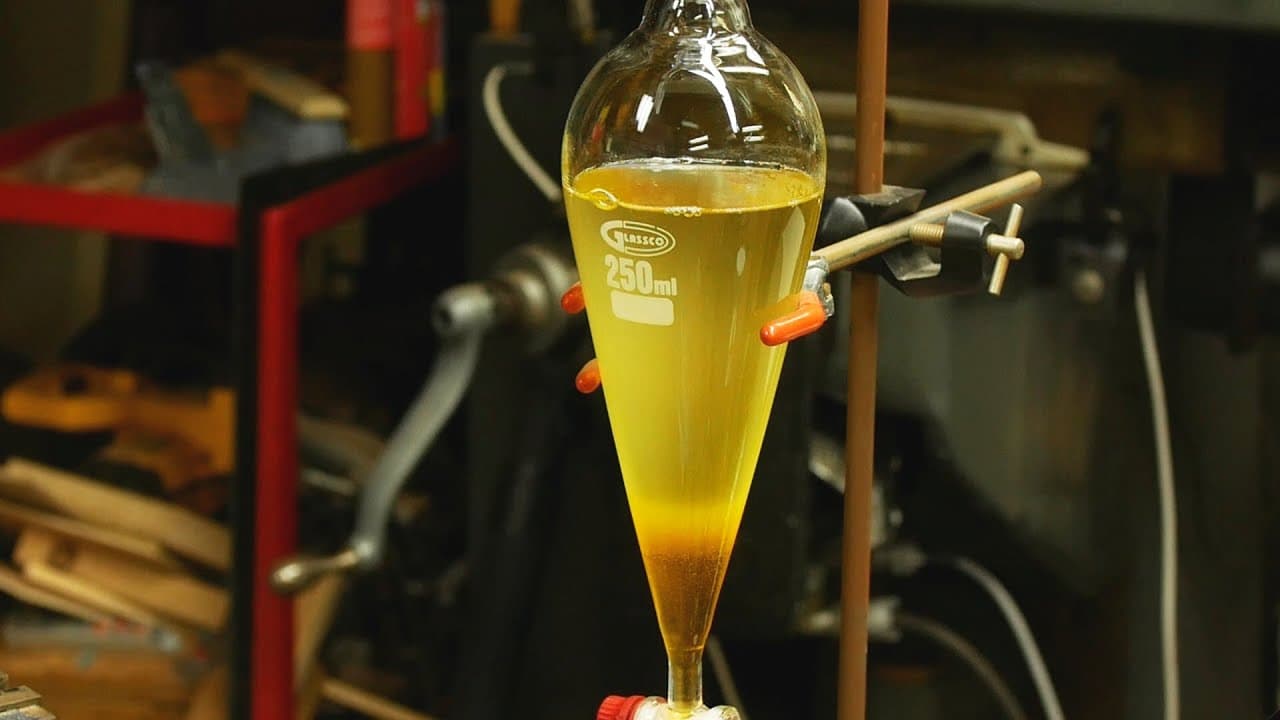
- 🧼 The production of olestra involves synthesizing a modified triglyceride by combining biodiesel, soap, powdered sucrose, and a catalyst.
- 👨🔬 Controversy surrounding olestra stemmed from rumors of anal leakage, but research studies have not found significant effects on gastric distress.
Install to Summarize YouTube Videos and Get Transcripts
Explore YouTube Video Summarizer or Get YouTube Transcript Extractor
Questions & Answers
Q: Why did Procter & Gamble develop olestra in the first place?
Procter & Gamble originally aimed to create a calorie-dense formula for premature babies to promote weight gain but ended up with a calorie-free product.
Q: How does olestra interact with the digestive system?
Since humans lack the enzymes to break down olestra, it passes through the digestive system without being absorbed or contributing calories. This inability to break it down led to the infamous rumors of anal leakage.
Q: What ingredients are needed to make olestra?
The production of olestra requires biodiesel, soap, powdered sucrose (obtained by grinding granulated sugar), and a catalyst such as sodium hydride or sodium metal.
Q: How did Procter & Gamble address the concerns regarding olestra's side effects?
Procter & Gamble conducted studies involving double-blind tests and thousands of participants, which did not show any significant effects on gastric distress. However, excessive consumption of olestra may still cause adverse effects.
Summary & Key Takeaways
-
Olestra, a calorie-free cooking oil, was developed by Procter & Gamble to increase calorie density but ended up having no calories due to our inability to digest it.
-
The production of olestra involves synthesizing a modified triglyceride by combining biodiesel, soap, and finely powdered sucrose.
-
Despite controversy and negative media attention, further studies on olestra's effects suggest that consuming moderate amounts does not lead to gastric distress.
Read in Other Languages (beta)
Share This Summary 📚
Summarize YouTube Videos and Get Video Transcripts with 1-Click
Try YouTube Summary with ChatGPT & Claude or YouTube Transcript Generator
Explore More Summaries from Applied Science 📚





Summarize YouTube Videos and Get Video Transcripts with 1-Click
Try YouTube Summary with ChatGPT & Claude or YouTube Transcript Generator