How Does a Laser Microphone Capture Audio Through Windows?
TL;DR
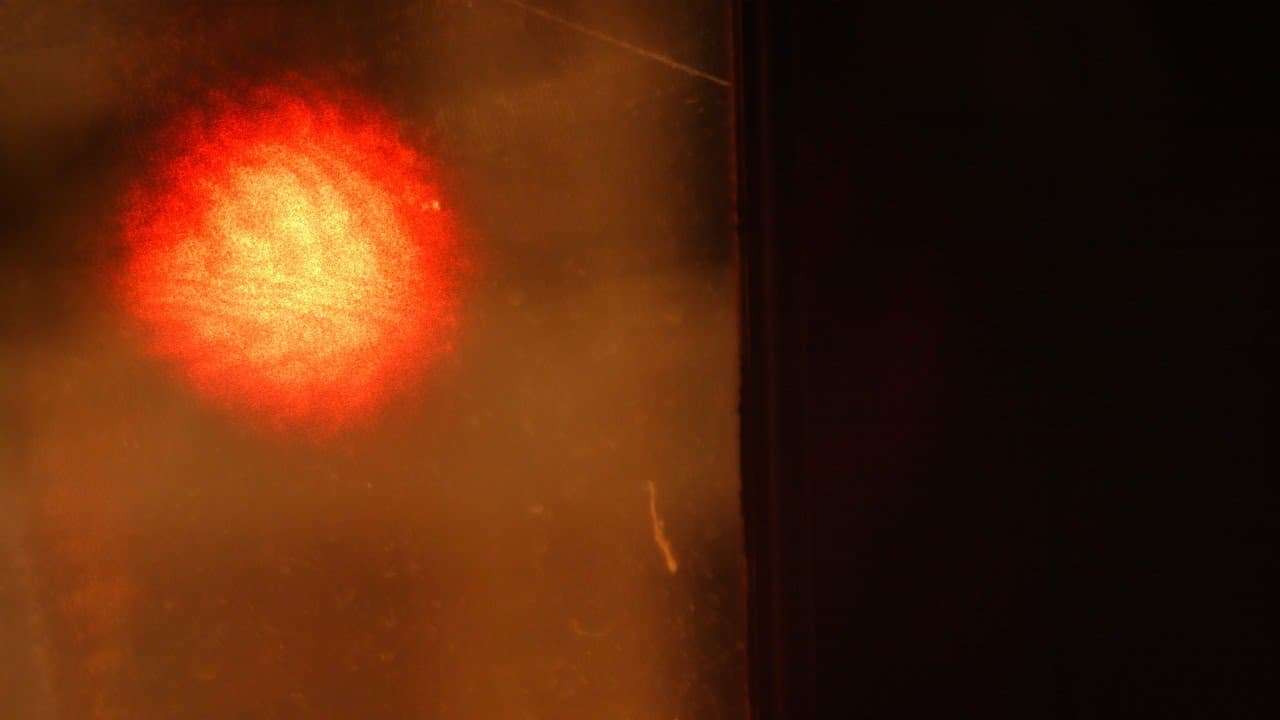
A laser microphone captures audio by bouncing a laser off a window, where sound vibrations cause slight movements in the glass that modulate the reflected beam. However, double-paned windows distort the captured audio, making it less clear. Experimenting with single-paned windows or reflecting the laser off a surface inside the room could improve audio fidelity.
Transcript
hey everyone I've been wanting to try this uh laser surveillance or laser microphone project for a while and finally got some time tonight to give it a shot so the idea is that you set up a laser and bounce it off the window of a house or a building and any sound vibrations inside the room will cause the window to bend very slightly and if you can ... Read More
Key Insights
- 😁 Laser surveillance can be used to capture room sounds by measuring variations in a laser beam's reflection off a window.
- 👿 Double-paned windows can cause distortion in the captured audio, reducing the effectiveness of the surveillance system.
- 🖐️ The geometry of the setup plays a crucial role in the quality of the captured audio.
- 🖼️ Alternative setups, such as reflecting the laser beam off a framed picture on the wall, can potentially improve the audio fidelity.
- 🫥 It is important to consider the spread and diameter of the laser dot, as well as the sensitivity of the optical detector for better results.
- ❓ Interferometry techniques can be explored to enhance the performance of laser surveillance systems.
- 🥺 Collaboration with others interested in laser surveillance can lead to further advancements in the field.
Install to Summarize YouTube Videos and Get Transcripts
Explore YouTube Video Summarizer or Get YouTube Transcript Extractor
Questions & Answers
Q: How does the laser microphone system work?
The system works by setting up a laser that is bounced off a window and capturing the variations in the laser's reflection caused by sound vibrations in the room.
Q: What were the challenges faced during the experiment?
The experiment faced challenges due to double-paned windows, which caused distortion in the captured audio. The geometry of the setup also affected the quality of the results.
Q: How did the author simulate room sounds for the experiment?
The author used an audio commentary track from a Jethro T album to simulate voices inside the room, and a sound meter to measure the volume near the window.
Q: What improvements does the author suggest for the laser surveillance system?
The author suggests using a setup with accessible incoming and outgoing laser beams, trying a larger window, and experimenting with different optical detectors for better audio fidelity.
Summary & Key Takeaways
-
The author set up a laser to bounce off their dining room window to capture room sounds.
-
The return audio had some distortion due to the double-paned windows in the author's house.
-
The author encountered challenges with the geometry and suggested using alternative setups for better results.
Read in Other Languages (beta)
Share This Summary 📚
Summarize YouTube Videos and Get Video Transcripts with 1-Click
Try YouTube Summary with ChatGPT & Claude or YouTube Transcript Generator
Explore More Summaries from Applied Science 📚

Summarize YouTube Videos and Get Video Transcripts with 1-Click
Try YouTube Summary with ChatGPT & Claude or YouTube Transcript Generator