How to scale Facebook ads with a compelling offer
TL;DR
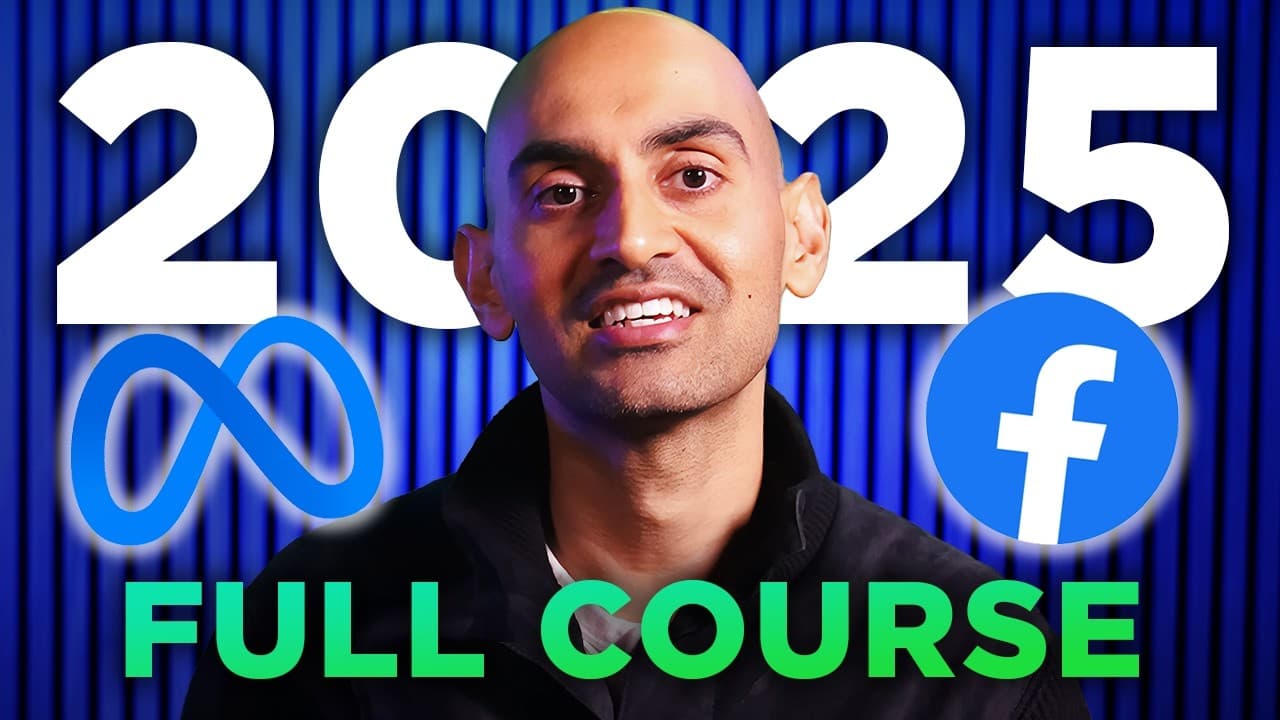
Start with a strong, urgent offer because the algorithm rewards clear value and outcomes over features. Use three to five hooks, two to three bodies, and several CTAs, testing variants weekly with AV testing. Copy winning formats from competitors via Meta Ad Library and mix formats like UGC and raw content to reduce costs.
Transcript
stop running Facebook ads until you do this i've managed over a billion dollars in Facebook ad spend over the last 5 years and I've developed a system to run profitable Facebook ad campaigns with any budget whether it's spending $100 or $10,000 a day if you're not using the system you're losing money every day on your ads so I'm going to reveal it ... Read More
Key Insights
- A compelling offer is foundational; it reduces CPM and improves CTR by giving the algorithm a clear win condition.
- The key to scale is testing: multiple hooks, bodies, and CTAs with AV testing to identify winning elements.
- Copying winning structures from competitors via Meta Ad Library accelerates learning and reduces wasted spend.
- Using three to five hooks per ad and remixing them weekly helps combat audience fatigue and keeps costs down.
- Trends like raw, lowfi content and UGC often outperform highly produced ads in social feeds.
- Meta rewards actions that reflect real conversions through conversion data and pixel conditioning.
- Pixel and conversion API are essential for server-side tracking and accurate optimization.
- Personal brands in ads tend to improve CTAs and lower CAC by building trust.
- More videos from this channel:
- More from this channel: Neil Patel
Install to Summarize YouTube Videos and Get Transcripts
Explore YouTube Video Summarizer or Get YouTube Transcript Extractor
Questions & Answers
Q: What is the core prerequisite for profitable Facebook ad campaigns according to the video
The core prerequisite is having a really good compelling offer that solves one urgent problem and highlights clear outcomes rather than just features. This makes the algorithm work harder for you, reduces CPM, and improves CTR. Without a strong offer, even great creative and targeting struggle to achieve efficient spend, so crafting a killer value proposition is the first step in scaling.
Q: How should you structure Facebook ads for maximum effectiveness
Structure ads with a proven three-part formula of hook, value, and CTA. Film multiple versions of each part so you can test which hook, which body content, and which call to action perform best. Create three to five hooks, two to three bodies, and several CTAs, then remix these variations weekly to protect performance and adapt to what meta identifies as winners.
Q: What role does Meta Ad Library play in improving ad performance
Meta Ad Library lets you search competitor brands to identify running ads and analyze their hooks, angles, and messaging. By studying what others are doing well and for how long their ads have run, you can differentiate your own campaigns and remix proven formats for a faster path to conversions, reducing wasted testing dollars.
Q: What ad formats does the video suggest testing to beat fatigue
The video suggests trying trending, less polished formats like raw, TikTok‑style clips, selfie videos, and behind the scenes content. These formats often outperform polished ads by feeling more native and authentic, which helps earn trust. A mix of UGC, carousels, mini stories, and emotion‑led graphics is recommended to win in the feed.
Q: Why is pixel conditioning important for Facebook ads
Pixel conditioning provides clear conversion data that teaches Meta’s AI to optimize harder and faster. Real purchases and real leads signal the algorithm to hunt for more similar actions, while missing or poor data trains the system in the wrong direction. Therefore, accurate pixel tracking and the conversion API are crucial for scalable results.
Q: How does the video suggest handling iOS 14 and data limitations
The video notes iOS 14 plus blocks large portions of browser activity data, which cripples results if you rely on that data alone. It advises installing both the Facebook pixel and the conversion API to enable server-side tracking and allow Meta to learn who is buying, thereby maintaining effective targeting and optimization despite limitations.
Q: What impact does a strong personal brand have on ad performance
A strong personal brand in ads tends to improve CTAs and lower cost per acquisition. People respond more positively when they feel connected to the person behind the offer, which enhances trust and willingness to convert. Building a personal brand can therefore be a valuable component of a scalable ads strategy.
Q: What is the recommended approach to creative testing to avoid waste
Test a range of creative elements in parallel using the three-part framework and AV testing to identify which hooks, bodies, and CTAs convert best. Remix the winning elements and avoid sticking to a single approach for too long. The goal is to feed the algorithm with consistent, high-quality conversion data while rotating formats to prevent fatigue.
Summary & Key Takeaways
-
This video emphasizes fixing the offer before running ads, arguing that a compelling offer makes the algorithm work harder in your favor and reduces CPM. It recommends highlighting outcomes over features and using a unique value proposition to attract ideal buyers, supported by data from the Meta Ad Library.
-
The creator outlines a three-part ad formula hook, value, and CTA, with multiple variations to prevent audience fatigue and to identify which elements perform best through testing and AI optimization.
-
Practical tactics include using trending formats such as raw, lowfi content and UGC, leveraging pixel conditioning and conversion API for better targeting, and building a personal brand to improve CTAs and CAC.
Read in Other Languages (beta)
Share This Summary 📚
Summarize YouTube Videos and Get Video Transcripts with 1-Click
Try YouTube Summary with ChatGPT & Claude or YouTube Transcript Generator
Explore More Summaries from Neil Patel 📚
Summarize YouTube Videos and Get Video Transcripts with 1-Click
Try YouTube Summary with ChatGPT & Claude or YouTube Transcript Generator