How Does SEO Work When AI Answers Search Queries?
TL;DR
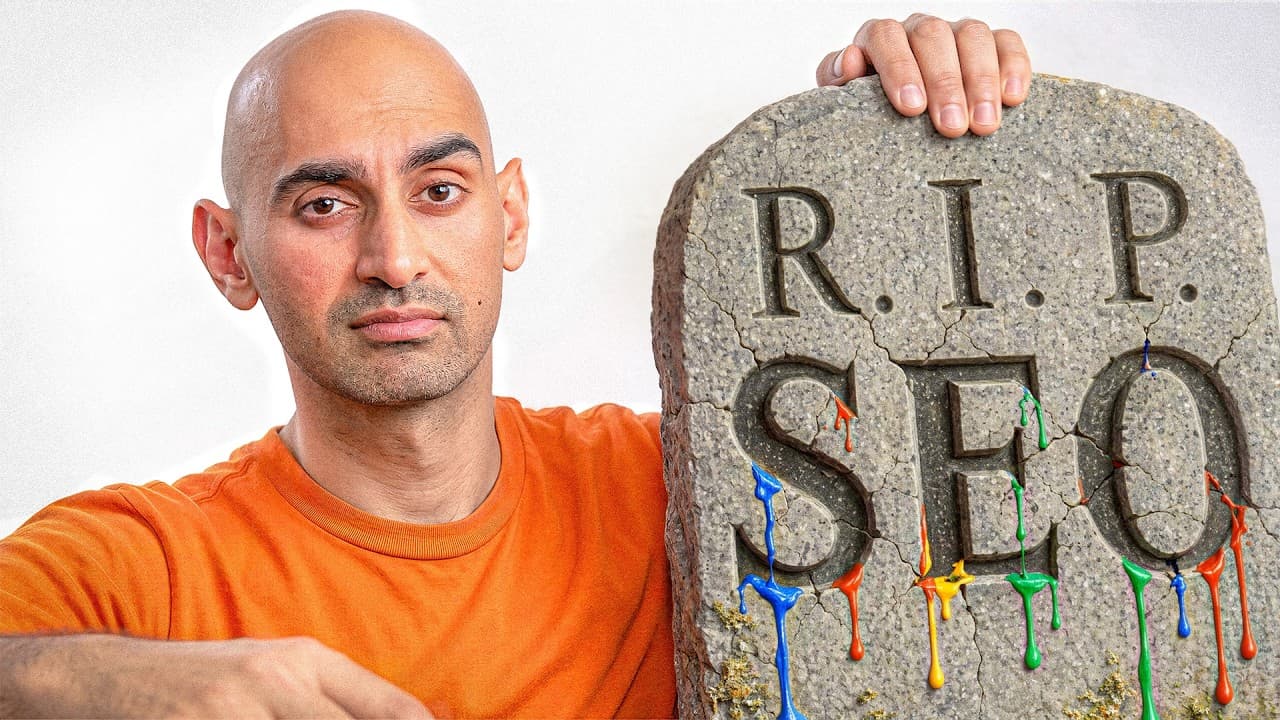
SEO is still worthwhile, but its goal has shifted from winning clicks to becoming the trusted source that AI systems cite, describe, and recommend. Brands should keep content current, earn relevant mentions across the web, monitor how AI portrays them, and evaluate visibility beyond website traffic because influential pages may appear inactive in conventional analytics.
Transcript
SEO had one job for 20 years, become the best [music] answer on Google. So, marketers did all the work to rank number one. Then Google basically said, "Great, we'll take it from here." First, it was song lyrics, then weather, then definitions, then recipes. [music] Tiny answers became answer boxes, answer boxes became AI overviews, >> [music] >> an... Read More
Key Insights
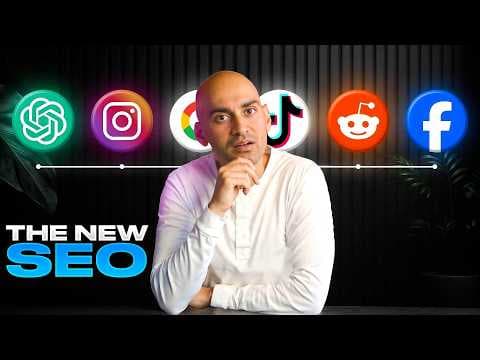
- SEO is shifting from optimizing pages primarily for rankings and clicks to establishing a brand as the trusted answer that search engines and AI assistants use when responding to questions across multiple platforms.
- AI overviews appeared in about 22% of product searches and 20% of service searches in the cited analysis, compared with 14% of branded searches, placing commercially valuable queries under particularly strong pressure from answer-first search experiences.
- Website traffic is no longer a complete SEO scoreboard because a page can rank first, supply the wording used in an AI response, and still receive no visit or visible analytics credit from the person who received that answer.
- AI citations can redirect rather than eliminate clicks. Sierra Interactive reportedly found that brands cited within AI overviews earned about 35% more clicks than the uncited brand appearing immediately below them, making explicit attribution valuable.
- External brand mentions are presented as a stronger recommendation signal than a company's own website authority. AI systems consider what independent websites, reviews, and online communities say, so reputation across the broader web increasingly shapes visibility.
- Digital public relations is becoming central to SEO because brands must earn mentions, reviews, and favorable discussion on pages they do not control. The work involves influencing public understanding through credible participation rather than editing every relevant source directly.
- Content freshness was identified by 91% of 100 surveyed content marketers as a factor in earning AI citations, while being an old, established authority ranked last at 17%, suggesting that recent relevance can outweigh inherited reputation.
- Technical SEO remains useful, but it now serves a broader reputation objective. Keywords, page structure, and technical improvements should help people and machines understand the brand, its expertise, and why it deserves to be cited as a trusted source.
- More videos from this channel:
- More from this channel: Neil Patel
Install to Summarize YouTube Videos and Get Transcripts
Explore YouTube Video Summarizer or Get YouTube Transcript Extractor
Questions & Answers
Q: Is SEO still worth investing in when AI answers searches?
SEO is still presented as worthwhile, but success is no longer limited to ranking a page and collecting clicks. The new objective is to become a trusted source that AI systems cite, summarize, and associate with a category. Keyword, structural, and technical work remains relevant when it supports broader recognition, credibility, accurate brand descriptions, and eventual customer decisions.
Q: How has AI changed the goal of SEO?
AI has changed SEO's goal from winning an immediate website visit to becoming the answer used in search and conversational responses. A successful brand may influence users even when they never visit its website. The work now includes structuring expertise clearly, keeping information current, earning external mentions, and ensuring that machines describe the brand accurately and favorably.
Q: Why can a top-ranking page receive little search traffic?
A top-ranking page can receive little traffic because an AI overview may appear above it and answer the user's question before a click becomes necessary. The original page might even supply the answer's wording without receiving a visit or analytics credit. As a result, low traffic does not necessarily mean that the content lacks visibility or influence.
Q: What should businesses measure besides organic traffic?
Businesses should examine whether AI systems mention their brand, cite it as a source, recommend it for relevant questions, and describe it positively, neutrally, or negatively. They should also compare that visibility with competitors over time. These signals complement rankings and traffic because content may shape awareness and future purchases without generating an immediate measurable website session.
Q: Why do external brand mentions matter for AI visibility?
External brand mentions matter because the analysis described in the video found that what other websites say about a company can influence AI recommendations more than the authority of the company's own site. Reviews, articles, and discussions help machines form an overall picture of the brand, including its relevance, reputation, and suitability as a recommended answer.
Q: How is modern SEO becoming digital public relations?
Modern SEO resembles digital public relations because visibility increasingly depends on being mentioned, reviewed, and discussed in credible places across the web. Companies cannot directly edit every review or community conversation, so they must earn recognition through current expertise and repeated public participation. The objective is to shape how the broader internet understands and describes the brand.
Q: Why is content freshness important for AI citations?
Freshness matters because AI systems need sources that remain relevant to current questions. In the survey cited, 91% of 100 content marketers identified keeping content current as a factor in earning AI citations, while being an old, established authority received 17%. The comparison suggests that smaller active brands can compete with larger brands relying on older reputations.
Q: What practical SEO strategy should brands use for AI search?
Brands should continue using keywords, clear structure, and technical optimization while expanding their efforts beyond owned pages. They should update content regularly, earn relevant coverage and reviews, participate in the conversations that shape their reputation, and monitor how ChatGPT, Gemini, and Claude describe them. The aim is consistent recognition as a credible, memorable source across search platforms.
Summary & Key Takeaways
-
SEO spent years producing clear, comprehensive answers that search engines could organize and reuse. AI overviews now answer many questions before users visit the original websites, especially for commercially valuable searches. Consequently, a page can rank highly or supply an AI response while receiving little measurable traffic through conventional analytics tools.
-
Traffic alone no longer represents SEO performance because AI citations can influence awareness without producing immediate visits. The video says cited brands can also receive more clicks than uncited competitors positioned below them. Businesses therefore need to measure citations, AI visibility, sentiment, brand recall, and eventual commercial outcomes alongside rankings and direct website sessions.
-
Modern SEO increasingly resembles digital public relations because AI recommendations depend heavily on relevance and external brand mentions. Companies should publish current information, earn reviews and discussion across independent platforms, and shape their reputations consistently. Technical, structural, and keyword work still matters, but it supports the broader objective of becoming a trusted answer.
Read in Other Languages (beta)
Share This Summary 📚
Summarize YouTube Videos and Get Video Transcripts with 1-Click
Try YouTube Summary with ChatGPT & Claude or YouTube Transcript Generator
Explore More Summaries from Neil Patel 📚

Summarize YouTube Videos and Get Video Transcripts with 1-Click
Try YouTube Summary with ChatGPT & Claude or YouTube Transcript Generator