How to Sell Anything by Building Buyer Trust
TL;DR
Build trust before pitching by helping prospects, identifying ideal customers, and listening for the root causes behind their stated problems. Demonstrate value with real case studies and testimonials, follow up across multiple interactions, protect profitable pricing boundaries, and treat objections or lost deals as opportunities to clarify, gather feedback, and improve the sales process.
Transcript
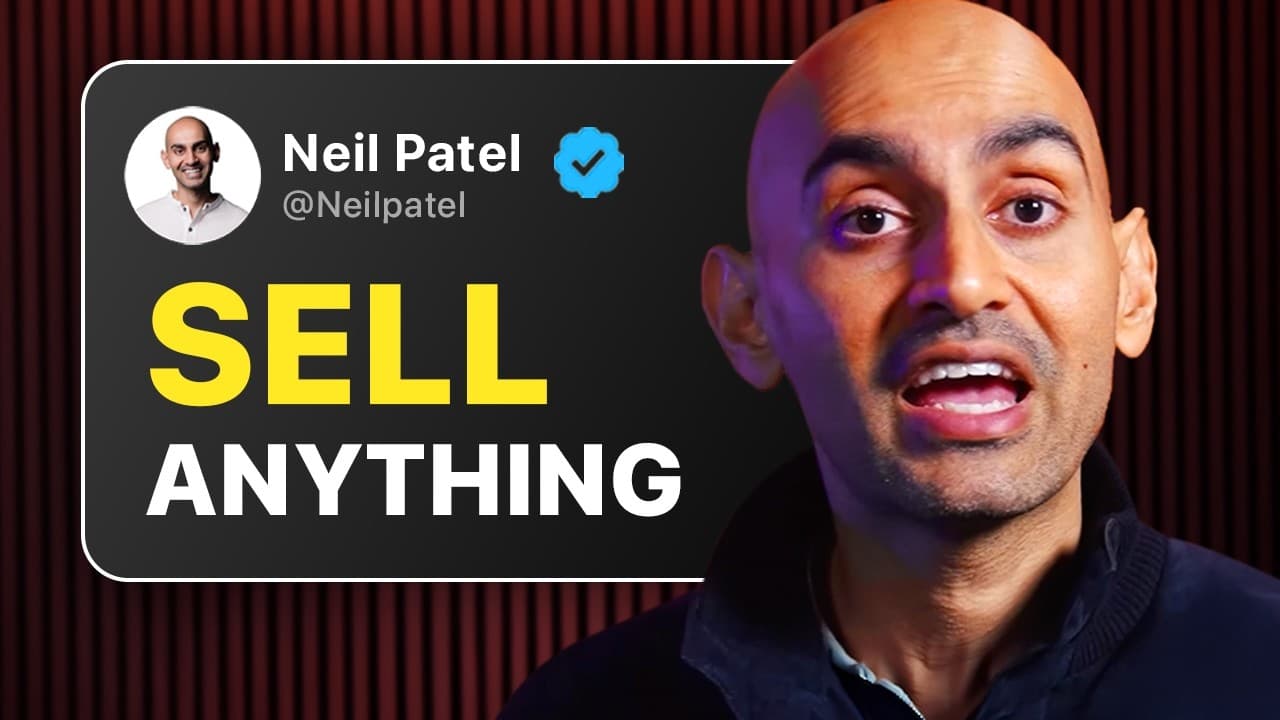
This is how to go from beginner to expert marketer and sell literally anything to anyone. Most people try to sell with pressure, gimmicks, or fake scarcity. And they wonder why it doesn't work. So, as one of the top digital marketers in the world, I've created a sevenstep framework to sell anything, product, service, software, you name it, without ... Read More
Key Insights
- Trust is more durable than pressure tactics because fake urgency, gimmicks, and sleazy selling can damage brand equity and repel serious buyers, especially in high-ticket sales. The most profitable companies described in the presentation emphasize value, trust, and a reliable process instead of short-term hype.
- Helping prospects before they are ready to buy creates goodwill and strengthens relationships. Providing a useful introduction or solution without demanding payment or a referral fee can establish credibility, making it more likely that the prospect returns when they eventually need the seller’s services.
- An ideal customer profile is the foundation of an effective sales message. Defining the buyer’s characteristics, internal resources, channels, regions, and buying cycle helps tailor the pitch while preventing wasted effort on prospects who were never suitable for the offer.
- Listening before selling reveals the root cause of a buyer’s problem. A prospect’s first statement may not describe what they truly need, so strong sellers investigate the pain, decode the underlying obstacle, and propose a solution that directly addresses the desired result.
- Demonstrated value is more persuasive than fancy language. Real case studies, specific results, and testimonials, ideally including video testimonials, give prospects evidence that a solution works and provide the speed, clarity, and certainty that buyers are willing to pay for.
- Consistent follow-up is necessary because the average buyer needs 11.1 interactions with a brand before purchasing. Giving up after two or three interactions can end viable opportunities prematurely, while concise, useful, proof-backed touchpoints continue building familiarity, confidence, and trust.
- Objections are opportunities to clarify rather than automatic rejections. A buyer’s concern can reveal where more explanation, evidence, or trust is needed, allowing the seller to answer briefly, provide relevant proof, address future concerns, and continue developing the relationship.
- Pricing boundaries protect profitability and mutual respect. Sellers must account for costs such as overhead, time, tools, and office expenses, then walk away when excessive discounting would damage margins or motivation. Lost deals can still create value when blunt feedback improves future pitches.
Install to Summarize YouTube Videos and Get Transcripts
Explore YouTube Video Summarizer or Get YouTube Transcript Extractor
Questions & Answers
Q: How can you sell without using pressure tactics?
Sell without pressure by building trust, demonstrating value, and following a clear process. Help prospects when possible, even if they are not ready to buy, and avoid fake urgency or gimmicks. Listen closely to their problems before presenting an offer, then support the proposed solution with real case studies, specific results, and testimonials that create clarity and certainty.
Q: Why should sellers define their ideal customer?
Defining an ideal customer keeps the sales message focused and prevents time from being wasted on people who are not a fit. Relevant characteristics can include the prospect’s marketing channels, internal teams, buying cycle, and geographic regions. Once the customer profile is clear, the seller can make the pitch, positioning, and pricing more specific and effective.
Q: How does helping prospects before a sale build trust?
Helping prospects without expecting an immediate return creates goodwill and demonstrates genuine usefulness. The example in the presentation involves connecting someone with web designers without charging a referral fee, even though that person was not ready for marketing services. After receiving help and having a good experience, the prospect later returned and hired the seller’s agency for marketing.
Q: Why should salespeople listen before presenting a solution?
Salespeople should listen first because a buyer’s initial description may not reveal the problem they truly want solved. Asking questions and digging deeper uncovers the root cause of the pain and the outcome the buyer actually wants. When a seller understands the problem better and offers a precise solution, the buyer gains trust and feels safer choosing that seller.
Q: What sales proof is most persuasive to prospects?
Real case studies, specific results, and authentic testimonials are more persuasive than polished sales language alone. Video testimonials are described as especially desirable because they show people discussing results from the product or service. Effective proof should demonstrate how the offer solves the prospect’s exact problem better and faster, giving the buyer greater speed, clarity, and certainty.
Q: How many interactions may a buyer need before purchasing?
The presentation states that the average person needs 11.1 interactions with a brand before buying. Many salespeople stop after only two or three interactions, which can cause otherwise viable deals to die. Continued touchpoints should remain concise, relevant, and supported by proof, allowing the seller to answer concerns while steadily strengthening the relationship and the buyer’s trust.
Q: How should salespeople respond to buyer objections?
Salespeople should treat objections as invitations to clarify rather than as final rejections. A concern identifies where the prospect may need stronger proof, a clearer explanation, or more trust. Responses should be short, direct, and evidence-backed. Handling objections this way also creates additional touchpoints and can address concerns that might otherwise appear later in the buying process.
Q: When should a seller walk away from a deal?
A seller should walk away when the deal would become unprofitable or jeopardize the business. Pricing must account for every relevant cost mentioned, including overhead, time, tools, and office expenses. Excessive discounting damages margins and motivation. Clear negotiating boundaries protect the company and create mutual respect because neither party should expect the other to lose money.
Q: How can losing a sale improve future results?
A lost sale can improve future performance when the seller asks the prospect for honest, even blunt, feedback. Not every prospect will provide it, but useful feedback can reveal weaknesses in the pitch or process. Reviewing conversations with tools such as Gong, collecting comments, and iterating on the sales structure can improve future pitches and raise the win rate over time.
Summary & Key Takeaways
-
Effective selling begins with trust rather than pressure, gimmicks, or fake scarcity. Helping people without expecting an immediate return creates goodwill and can lead prospects back when they are ready to buy. People prefer buying from sellers they like, trust, and respect, particularly when a meaningful relationship already exists.
-
A clear ideal customer profile makes pitching, positioning, and pricing more effective. Sellers should avoid presenting solutions too early and instead listen carefully, investigate the root cause of the buyer’s pain, and understand the result the buyer truly wants. Accurate diagnosis builds trust and makes the proposed solution feel relevant and safe.
-
Real case studies, testimonials, and specific results provide clarity and certainty. Sellers should maintain multiple concise, evidence-backed interactions because buyers may need 11.1 brand interactions before purchasing. Profitable pricing boundaries protect the business, while blunt feedback from lost deals supports continuous refinement of pitches, processes, and future win rates.
Read in Other Languages (beta)
Share This Summary 📚
Summarize YouTube Videos and Get Video Transcripts with 1-Click
Try YouTube Summary with ChatGPT & Claude or YouTube Transcript Generator
Explore More Summaries from Neil Patel 📚


Summarize YouTube Videos and Get Video Transcripts with 1-Click
Try YouTube Summary with ChatGPT & Claude or YouTube Transcript Generator