How to Make Photochromic Glass at Home
TL;DR
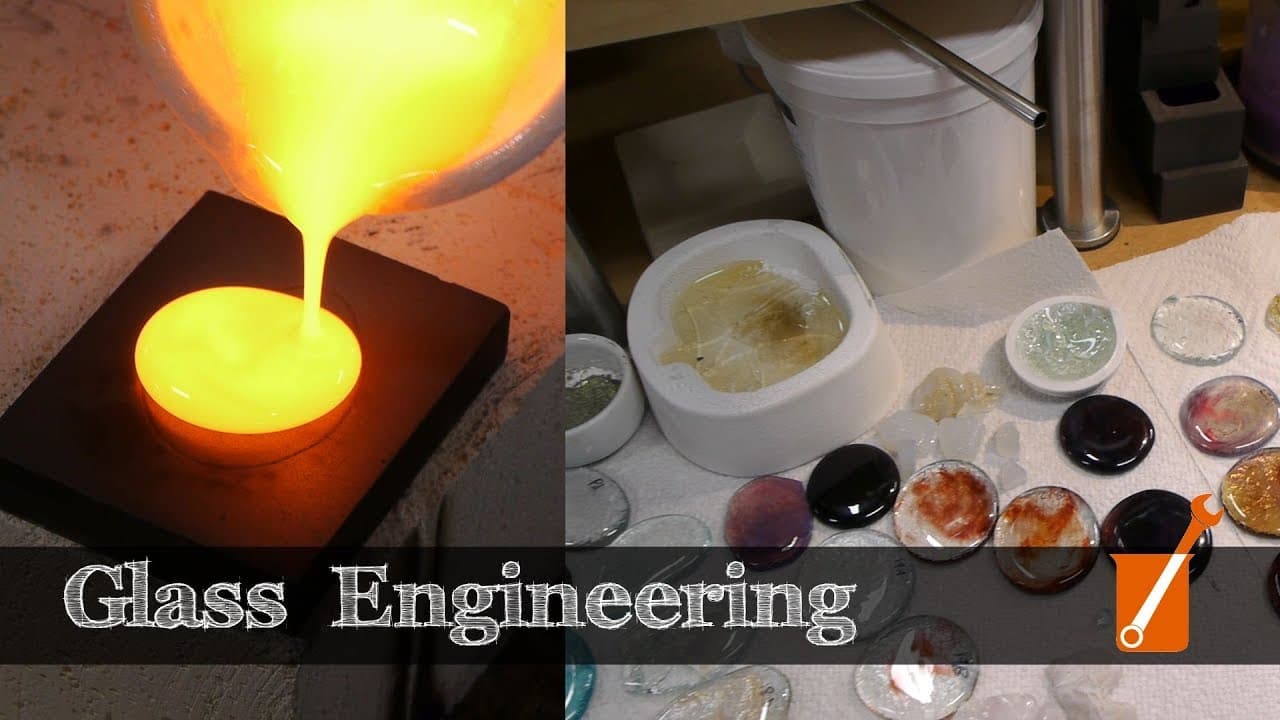
To make photochromic glass at home, blend boric acid, aluminum hydroxide, silver nitrate, and copper oxide, and carefully control temperature during melting and cooling. The process involves balancing ingredients, managing volatility, and using the right equipment to achieve the desired properties, making experimentation essential to success.
Transcript
today on Applied Science I'm going to talk about designing and creating small batches of glass this is an unusual branch of engineering it's very unlike electrical or mechanical in that there's basically no information available how to get started in the home shop so today I'm going to summarize everything I've learned in the last couple months inc... Read More
Key Insights
- 😎 Glassmaking involves a complex process of balancing ingredients, temperature control, and chemical reactions to achieve desired glass properties.
- 😎 Experimentation and tweaking variables are essential in creating unique glass batches with specific characteristics.
- 😒 The use of unconventional materials like silver nitrate, copper oxide, and sodium nitrate contributes to the photochromic properties of the glass.
- 🎮 Challenges such as ingredient volatility and precise temperature control add complexity to the DIY glassmaking process.
- 🫠 Graphite and porcelain materials play a crucial role as molds and melting dishes in glassmaking to prevent sticking and provide suitable surfaces for glass formation.
- 😎 The addition of materials like sodium silico fluoride and chromium oxide allows for control over the color and characteristics of the glass.
- 😎 Commercial glass formulations may not always provide the desired results due to the complexity of the glassmaking process.
Install to Summarize YouTube Videos and Get Transcripts
Explore YouTube Video Summarizer or Get YouTube Transcript Extractor
Questions & Answers
Q: What are the key components needed to create photochromic glass at home?
To make photochromic glass, you would need ingredients like boric acid, aluminum hydroxide, silver nitrate, copper oxide, sodium nitrate, and sodium silico fluoride.
Q: How important is precise temperature control in the glassmaking process?
Precise temperature control is crucial in glassmaking as it affects the properties of the glass, such as clarity, formation, and stability, especially during the annealing process.
Q: What role do materials like graphite and porcelain play in glassmaking?
Graphite and porcelain are used as molds and melting dishes in glassmaking to prevent sticking and provide a suitable surface for pouring melted glass.
Q: How can one optimize the chemical reactions in glassmaking to achieve desired glass characteristics?
By carefully mixing and balancing ingredients, as well as controlling factors like temperature, time, and atmosphere, one can optimize chemical reactions in glassmaking to achieve specific glass properties.
Summary & Key Takeaways
-
Detailed guide on creating glass batches at home, focusing on photochromic properties and unconventional materials.
-
Emphasis on experimentation and tweaking different variables to achieve desired glass characteristics.
-
Challenges involved in the process, such as ingredient volatility and careful temperature control.
Read in Other Languages (beta)
Share This Summary 📚
Summarize YouTube Videos and Get Video Transcripts with 1-Click
Try YouTube Summary with ChatGPT & Claude or YouTube Transcript Generator
Explore More Summaries from Applied Science 📚

Summarize YouTube Videos and Get Video Transcripts with 1-Click
Try YouTube Summary with ChatGPT & Claude or YouTube Transcript Generator