How to Start and Structure Your First Novel
TL;DR
Start a first novel by borrowing a familiar story structure, then rebuild it with original characters, conflicts, and arcs. Develop the protagonist through a monologue and clear wants and needs, choose a visible form of progress, and signpost that progress so readers understand the story’s direction. If a one-month writing challenge clashes with your creative process, you can abandon it.
Transcript
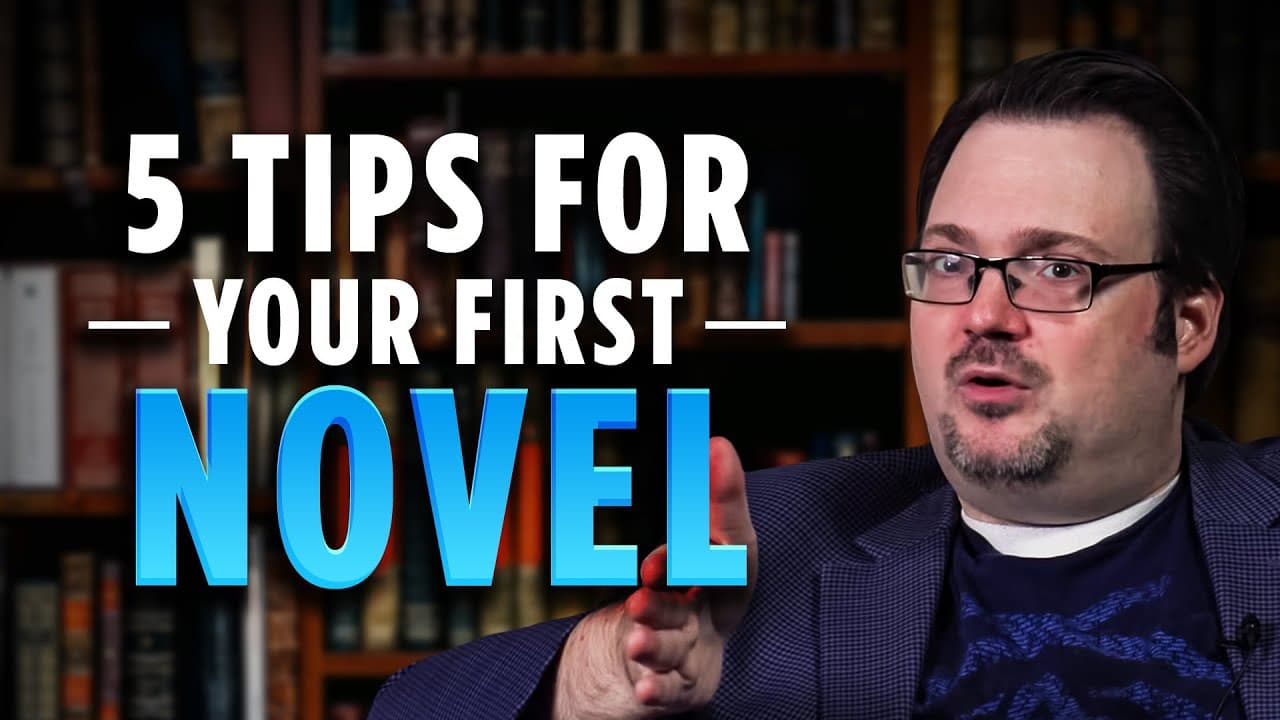
BRANDON: Hi. Brandon here. It is National Novel Writing Month. This is a challenge that happens every year where writers are challenged to write a novel in one month, loosely defining a novel as 50,000 words. That definition is kind of vague. Most of my novels are quite a bit longer. But 50,000 words is a doable but difficult challenge for one ... Read More
Key Insights
- A 50,000-word monthly challenge is a difficult but achievable exercise designed to push writers out of a rut, quiet the internal editor, and encourage continuous drafting. It can be valuable practice, but writers should abandon the method if it does not fit their personal writing psychology.
- Borrowing structure is a practical way to begin a novel with limited preparation. A writer can identify the fundamental stages of a favorite genre or story, then rebuild those stages around different characters, a different central problem, and an original character arc.
- Genre transposition is a way to personalize a borrowed structure. Moving the framework of one story type, such as a Regency romance, into a different setting or genre, such as a western, preserves useful structural support while creating room for the writer’s own style.
- A character monologue is an exploratory exercise in which a character explains an important period or their entire life to the writer. Even when the final novel uses another viewpoint, several pages of first-person reflection can reveal the character’s history, personality, and concerns.
- Monologue material is not required to appear in the finished novel. Portions can become chapter epigraphs, journal or diary excerpts, or the foundation of an epistolary novel written through characters’ documents, while the original exercise primarily helps the writer discover the character.
- Character-centered plotting begins by separating what a protagonist wants from what they need. Adding reasons they cannot obtain either one creates obstacles and conflict, while keeping the character personally involved in the decisions and events that drive the developing story.
- The strongest viewpoint character is often the person who changes most, faces the greatest personal conflict, or works most actively toward a desired outcome. A passive observer can leave the truly interesting story focused on someone else, indicating that the writer may have selected the wrong protagonist.
- Story momentum depends on a promise, progress toward that promise, and a payoff. Writers should choose a recognizable form of progress, such as movement toward a destination or the accumulation of clues, then provide recurring signs that show advancement, diversion, or temporary setbacks.
Install to Summarize YouTube Videos and Get Transcripts
Explore YouTube Video Summarizer or Get YouTube Transcript Extractor
Questions & Answers
Q: How can I start writing my first novel without an outline?
Begin with the fundamental structure of a story type you already enjoy. Identify its recurring stages, then replace its characters, central problem, setting, and character arc with your own material. You can also write several pages in which the protagonist explains their life, then use the character’s wants, needs, and obstacles to generate plot events while drafting.
Q: How do I borrow a story structure without copying the story?
Reduce the source story or genre to broad structural functions rather than reproducing its specific content. A heist framework, for example, might introduce a difficult problem, recruit people with specialized talents, prepare equipment and plans, and combine those talents during the ending. Rebuild those functions with new characters, a new problem, and an original emotional arc, adapting the structure whenever your story requires it.
Q: Why should a writer transpose a familiar structure into another genre?
Transposing a structure gives the writer established support while creating space for a distinctive interpretation. The framework of a familiar story type can be moved into a different genre, such as placing the structure associated with Regency romance into a western. The writer retains useful structural training wheels but changes the setting, characters, conflict, and style instead of remaining bound to the original example.
Q: How can a monologue help develop a fictional character?
Write as though the character were sitting with you and explaining their life or an especially important experience. Several pages of this imagined interview can help uncover their voice, history, values, and interesting personal details, even if the novel will not use first-person narration. The exercise is primarily a discovery tool, so it does not need to survive in the final manuscript.
Q: Can character monologue material appear in the finished novel?
Character monologue material can be reused, although inclusion is optional. Short pieces may become epigraphs at the beginnings of chapters, or they may appear as excerpts from a journal, diary, or another personal document. If the format proves especially compelling, it can support an epistolary novel told entirely through characters’ writings, similar in concept to found-footage storytelling.
Q: How do wants and needs create a novel’s plot?
Ask what the protagonist consciously wants, what they genuinely need, how those goals differ, and why neither is currently available. The answers create both internal and external conflict. As the writer constructs obstacles that prevent fulfillment, the plot naturally revolves around the protagonist’s choices, struggles, and growth, making the events personal instead of leaving the viewpoint character as an observer.
Q: How should I choose the protagonist or viewpoint character?
Choose the person who changes the most, experiences the greatest conflict, or pursues what they want most actively. A viewpoint character who merely watches and comments while another person does the interesting work is often the wrong choice. The central events should matter personally to the protagonist, and that character should participate meaningfully in the decisions and struggles shaping the story.
Q: How does visible progress improve a novel’s pacing?
Visible progress shows readers that the story is moving toward its promised outcome. A travel story can mark movement toward a destination, while a mystery can accumulate clues that gradually clarify what happened. Detours, false clues, and backward steps are possible, but recurring signs of advancement create direction. Weak or mismatched signposting can make a story feel slow even when events are occurring.
Summary & Key Takeaways
-
A one-month, 50,000-word novel challenge can help writers escape a rut, silence their internal editor, and produce material quickly. However, the method does not suit every writer. If the challenge harms the writing or conflicts with a writer’s personal creative psychology, there is no obligation to continue using it.
-
A writer can borrow the fundamental structure of a favorite story type, such as the recurring recruitment, preparation, and execution stages of a heist. That structure should then be rebuilt with new characters, a new problem, and an original character arc. Transposing the structure into another genre can add individuality.
-
Character-centered plots grow from identifying what the protagonist wants, what they actually need, how those desires differ, and what prevents fulfillment. The story also needs visible progress toward its promise and payoff. Travel, accumulating clues, or another clearly signposted progression can give readers direction and strengthen pacing.
Read in Other Languages (beta)
Share This Summary 📚
Summarize YouTube Videos and Get Video Transcripts with 1-Click
Try YouTube Summary with ChatGPT & Claude or YouTube Transcript Generator
Explore More Summaries from Brandon Sanderson 📚
Summarize YouTube Videos and Get Video Transcripts with 1-Click
Try YouTube Summary with ChatGPT & Claude or YouTube Transcript Generator