How Does the US Education System Work?
TL;DR
Formal schooling in the United States generally begins with kindergarten at age five or six, followed by elementary, middle, and high school. Families may choose public, charter, private, alternative, or home education, but availability, cost, quality, admission rules, scholarships, neighborhood resources, and each child’s individual needs can strongly influence the decision.
Transcript
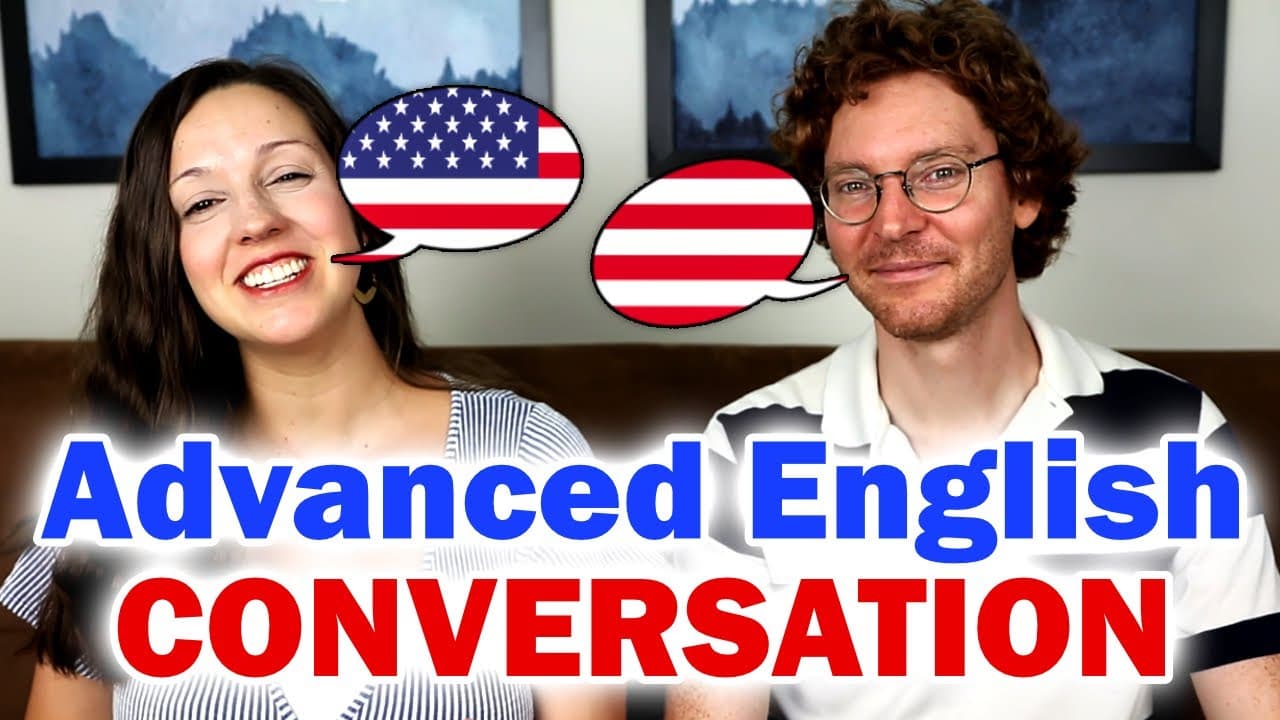
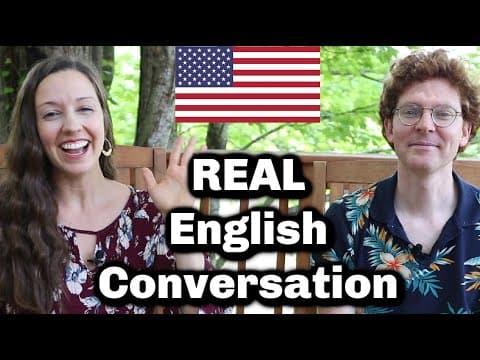
Vanessa: You are invited to a real English conversation with me and my husband, Dan. Dan: Hi. Vanessa: We're going to be talking about education today. You asked us your top education questions in English, and we're going to have a chit-chat about those questions, immerse you in English. I hope you will end up on the other side of this conversat... Read More
Key Insights
- Formal education in the United States generally begins with kindergarten when children are about five or six years old. Some children attend preschool around age four, but preschool is often paid for directly by parents rather than provided by the state.
- The standard school sequence is kindergarten, elementary school, middle school, and high school. Elementary school commonly covers first through fifth grade, middle school serves students around ages twelve to fourteen, and high school generally covers ages fourteen through eighteen.
- Public schools are funded through taxes and normally assign students according to where they live. The conversation argues that this neighborhood-based structure can perpetuate inequality when poorer communities have schools with fewer resources and families have limited access to alternatives.
- Public charter schools are tuition-free schools that are run privately and are often smaller than conventional public schools. Admission may be decided through a random lottery rather than a family’s income or neighborhood when more students apply than the school can accept.
- Private education includes religious, secular, nature-based, and other alternative schools. The speakers cite a figure of 9 percent of students attending private schools, while warning that tuition does not automatically make a school substantially better than a free public option.
- Scholarships can make private education significantly more affordable for some families. The speakers describe students at their son’s school receiving scholarships as large as 80 percent, supported through the state, the school, and grants provided to help families access the program.
- Homeschooling generally involves a parent serving as the primary teacher, sometimes with support from local cooperatives and online resources. The conversation cites a homeschooling rate of 7 percent around 2021 or 2022, compared with roughly 4 or 5 percent before COVID.
- A child’s individual needs can determine whether homeschooling works well. Dan says his mother did a good job, but homeschooling did not fit what he personally needed because he benefited from greater external pressure, deadlines, social exposure, and a reason to leave home.
Install to Summarize YouTube Videos and Get Transcripts
Explore YouTube Video Summarizer or Get YouTube Transcript Extractor
Questions & Answers
Q: What age do children start school in the United States?
Many children attend some form of preschool at around four years old, although parents often pay for it out of pocket. Formal schooling generally begins with kindergarten at about age five or six. Kindergarten introduces foundational subjects such as letters, the alphabet, reading, and numbers before students proceed into the numbered elementary school grades.
Q: How is the US school system organized by grade and age?
The typical progression begins with kindergarten at age five or six. Elementary school generally includes first through fifth grade. Middle school follows at roughly ages twelve to fourteen, and high school usually serves students from about fourteen through eighteen. The speakers note that exact ages can vary, particularly around transitions between schools and grade levels.
Q: What education options can families choose in the United States?
Families may choose public schools, public charter schools, private schools, alternative programs, or homeschooling. Public schools are funded through taxes, while private schools require additional payment. Charter schools do not charge extra tuition but are privately run. Alternative schools may use distinctive approaches, such as spending substantial time outdoors and incorporating nature into lessons.
Q: How do public charter schools differ from regular public schools?
Public charter schools do not require families to pay additional tuition, but they are run privately and are often smaller. When places are limited, admission may use a random lottery in which applicants’ names are selected. Unlike conventional public schools, which are commonly assigned by neighborhood, charter admission is not necessarily based on residence or income.
Q: Does private school guarantee a better education?
Private school does not automatically guarantee much better quality than a free public school. Religious, secular, nature-based, and other private programs can differ significantly in their methods and standards. Families should investigate a school carefully before enrolling, confirm that its quality matches their expectations, and avoid assuming that tuition alone proves educational superiority.
Q: How can families make private school more affordable?
Scholarships and grants can reduce the cost of private education. The speakers say many students at their son’s school receive an 80 percent scholarship, making attendance more affordable. Funding may come from the state, the school, or grants awarded to the school. Access still depends on parents finding programs, completing applications, and following through.
Q: How common is homeschooling in the United States?
The conversation cites homeschooling at 7 percent of American children around 2021 or 2022. It also states that the rate was approximately 4 or 5 percent before COVID and was growing by 10 percent each year. The speakers describe homeschooling as unusual but generally accepted rather than something that automatically makes a family an outcast.
Q: What are the potential benefits and challenges of homeschooling?
Homeschooling can offer families a different educational path, with parents teaching at home and local cooperatives providing regular group activities. Dan says current families have many online resources and more ways to create social exposure. However, he also says the model did not suit his own childhood needs because he needed more pressure, deadlines, and outside structure.
Summary & Key Takeaways
-
American children may attend preschool around age four, although families often pay for it themselves. Formal education generally starts with kindergarten at age five or six. Students then progress through elementary school, middle school, and high school, typically finishing the standard sequence at approximately eighteen years old.
-
Families can choose among several educational models. Public schools are funded through taxes and usually assigned by neighborhood. Public charter schools are privately operated, charge no additional tuition, and may use random lotteries for admission. Private schools charge tuition, while homeschooling generally places a parent in the teaching role.
-
Educational quality varies within every model, so paying tuition does not guarantee a substantially better experience. Scholarships and grants can make private education more accessible, but families must find opportunities, complete applications, and follow through. Homeschooling also has more online resources and organized social groups than it once did.
Read in Other Languages (beta)
Share This Summary 📚
Summarize YouTube Videos and Get Video Transcripts with 1-Click
Try YouTube Summary with ChatGPT & Claude or YouTube Transcript Generator
Explore More Summaries from Speak English With Vanessa 📚
Summarize YouTube Videos and Get Video Transcripts with 1-Click
Try YouTube Summary with ChatGPT & Claude or YouTube Transcript Generator