How to Start Learning English as a Beginner
TL;DR
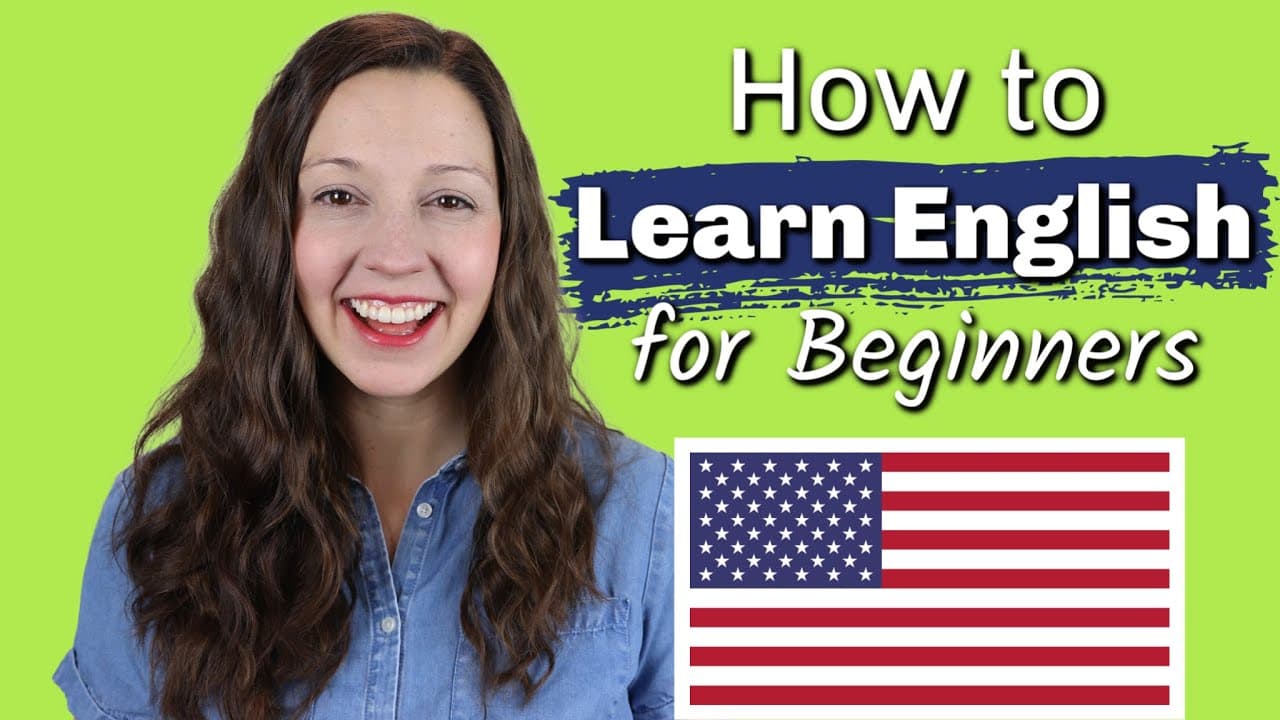
Build beginner English skills by labeling household objects, using understandable videos and songs, repeating sentences aloud, and studying only essential grammar. Focus on subject-verb-object structure, the simple past, present continuous, and conversational future with “going to.” Short daily practice, a positive attitude, and determination can produce steady progress across vocabulary, listening, pronunciation, and grammar.
Transcript
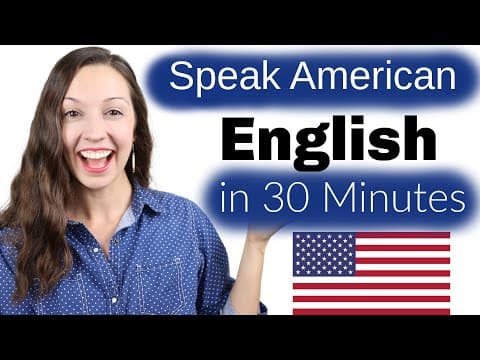
Hi, I'm Vanessa from SpeakEnglishWithVanessa.com. How can I learn English? I'm a beginner. Help! Let's talk about it. Are you a beginner at English? Wonderful. Do you know someone who would like to begin learning English? Awesome. Usually my English lessons are for intermediate English learners, but today we're going to slow things down and talk ab... Read More
Key Insights
- Being a beginner is an opportunity to notice fast progress because each newly understood word, sentence, or structure represents a clear improvement. The lesson includes both people starting English for the first time and those returning to knowledge first encountered in elementary school.
- Household labels are a practical vocabulary tool because they connect English words with objects that learners see and use regularly. A label can progress from one word to a simple sentence and then to a sentence containing a useful action verb.
- Understandable input is essential for beginner listening practice. Learners should choose simple videos or songs they can understand by at least 70 percent, using English subtitles or lyrics when needed, and switch to easier material if they feel completely lost.
- Repeated songs can strengthen listening because learners can follow the lyrics while hearing the same words and phrases many times. Choosing music they already enjoy makes it easier to replay one song, read along, and even sing the English words aloud.
- Pronunciation practice works by listening to real English and repeating it directly afterward. Saying every sentence aloud helps learners hear their own English voice, become easier to understand, and develop greater confidence alongside the vocabulary and grammar they are studying.
- Basic grammar is more useful for beginners than studying many grammar books. The recommended foundation is subject plus verb plus object, followed by focused practice with the simple past, present continuous, and simple future rather than an exhausting collection of rules.
- The conversational future can be practiced with “going to” because the lesson presents it as more common than “will” in daily conversation. Example patterns such as “I’m going to eat breakfast” also introduce contractions while reinforcing future meaning and spoken pronunciation.
- Short daily lessons can combine vocabulary, pronunciation, listening, and grammar practice. The lesson recommends maintaining a positive attitude and determination, emphasizing that language ability grows lesson by lesson when a beginner continues practicing consistently, even with only five to 10 available minutes.
Install to Summarize YouTube Videos and Get Transcripts
Explore YouTube Video Summarizer or Get YouTube Transcript Extractor
Questions & Answers
Q: How should a beginner start learning English?
A beginner should start with four connected areas: practical vocabulary, understandable listening, spoken pronunciation practice, and basic grammar. Label familiar household objects, watch simple English material with subtitles, follow songs with written lyrics, and repeat sentences aloud. For grammar, begin with subject-verb-object structure and practice the simple past, present continuous, and future with “going to.”
Q: How can household labels improve English vocabulary?
Household labels connect English directly to objects and actions encountered every day. A learner can write one word, a simple sentence such as “This is a microwave,” or a more complex sentence using a relevant verb such as “to heat up.” Reading each label aloud while using the object repeatedly reinforces vocabulary, sentence patterns, meaning, and pronunciation together.
Q: What English listening material should beginners choose?
Beginners should choose simple English videos or songs that allow them to understand the main ideas and at least 70 percent of the content. English subtitles and written song lyrics are appropriate forms of support. If a five-minute video leaves the learner completely lost, the recommended response is to stop and find easier material rather than struggle without comprehension.
Q: How can songs help beginners improve English listening?
Songs provide repeated exposure to the same English words and phrases. A beginner can choose music they enjoy, find the English lyrics, and listen to one song again and again while reading along. Singing is also encouraged because it adds spoken production to listening practice. The learner does not need to understand every individual word to benefit.
Q: How should beginners practice English pronunciation?
Beginners should listen to real English and repeat each sentence directly after hearing it. They should also say written English sentences aloud whenever possible, including sentences placed on household labels. Hearing their own voice is an important part of practice. Regular repetition helps make spoken English easier for other people to understand and gradually increases speaking confidence.
Q: What English grammar should a beginner study first?
A beginner should first study basic sentence structure, especially subject plus verb plus object, rather than working through many grammar books. The recommended verb forms are the simple past, present continuous, and simple future. Learners can imitate short example sentences aloud so that grammar practice also strengthens pronunciation, listening, contractions, and recognition of regular or irregular past-tense verbs.
Q: Why does the lesson use “going to” for the future?
The lesson uses “going to” instead of “will” because it identifies “going to” as more common in daily conversation. Beginners practice the pattern through examples such as planning to watch a lesson, learn English, or eat breakfast. Saying these examples aloud helps learners connect future meaning with natural sentence structure, contractions such as “I’m,” and spoken pronunciation.
Q: How can beginners stay consistent when learning English?
Beginners can stay consistent by using short, manageable lessons and maintaining a positive attitude with determination. The lesson shows that even a busy learner may find five to 10 minutes for daily practice. Progress can continue lesson by lesson when vocabulary, listening, pronunciation, and grammar are practiced regularly. The central encouragement is that learning English is a large but rewarding task.
Summary & Key Takeaways
-
Beginners can build practical vocabulary by attaching notes to objects around the house. Each note may contain a single word, a basic identification sentence, or a more detailed sentence describing an action. Reading these notes aloud during ordinary activities reinforces vocabulary, sentence structure, pronunciation, and useful verbs within a memorable physical context.
-
Listening practice should use simple English videos or familiar songs that are understandable with support from subtitles or written lyrics. Learners should aim to understand the main ideas and at least 70 percent of the material without expecting to recognize every word. Content that causes complete confusion should be replaced with something easier.
-
Grammar study should concentrate on useful foundations instead of large collections of rules. Beginners can practice subject-verb-object sentences and three common time forms: the simple past, present continuous, and future with “going to.” Repeating example sentences aloud combines grammar study with pronunciation practice and gradually builds confidence for spoken communication.
Read in Other Languages (beta)
Share This Summary 📚
Summarize YouTube Videos and Get Video Transcripts with 1-Click
Try YouTube Summary with ChatGPT & Claude or YouTube Transcript Generator
Explore More Summaries from Speak English With Vanessa 📚

Summarize YouTube Videos and Get Video Transcripts with 1-Click
Try YouTube Summary with ChatGPT & Claude or YouTube Transcript Generator