How Do You Balance Work, Kids, and a Business?

TL;DR
You cannot do it all, so you pick and choose: cut non-essential hobbies, hire help for tasks you are not best at, and share the load with your partner through good communication. A second habit that lowers the stress is single-tasking, being 100% present in whatever you are doing instead of multitasking, which usually makes you less productive.
Transcript
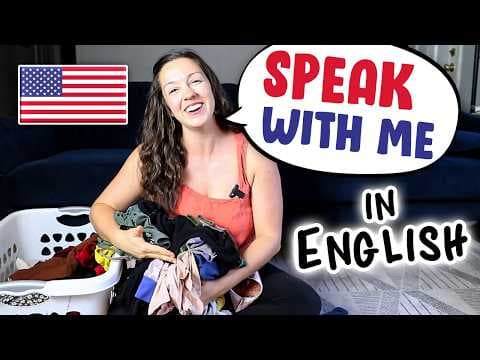
You are invited to a real English conversation between me, Vanessa, and my husband, Dan. Hello. You submitted some questions to us about daily life, and we are here to answer them. Our answers may not be incredible, but the English will be. Oh, yes. So, I hope that you can follow along in this conversation. You can click CC to view the full subtitl... Read More
Key Insights
- The honest answer to "how do you do it all" is that you don't. Dan says they cannot do it all and have to pick and choose, cutting non-essential activities rather than trying to squeeze everything into the same week.
- Cutting a hobby entirely can raise overall happiness. Dan used to play video games and now has a zero video game policy because it did not contribute to the family, and he says he is happier contributing in a different way.
- Delegation is what makes the visible output possible. Speak English With Vanessa has a team: David edits audio, Kevin edits the videos, Elsa helps with emails, and Amber helps with lessons, so Vanessa manages rather than does everything.
- Single-tasking is Vanessa's main mindset tip for reducing hecticness. When gardening with her kids she is not thinking about YouTube videos, and when planning video ideas she is not thinking about dinner, because multitasking usually makes you less productive.
- Household roles can be renegotiated over time. Dan previously did not work outside the home and handled child care and household work, then the couple reorganized their life so he could work outside the home and Vanessa could hire more help.
- American suburban infrastructure pushes people into cars. The grocery store is a 5 minute drive but roughly a 30 minute bike ride, and Dan says the biking infrastructure in America is not great, so they simply drive.
- A weekly "big shop" plus small top-up trips is their grocery pattern. They go about twice a week: one big shop with a list based on what they plan to cook, plus a smaller trip when they run out of something like milk.
- Trader Joe's is recommended as a place to practice spontaneous English conversation. Staff commonly strike up conversations, asking how you are doing or where you are from, which Vanessa notes is part of the marketing and works.
Install to Summarize YouTube Videos and Get Transcripts
Explore YouTube Video Summarizer or Get YouTube Transcript Extractor
Questions & Answers
Q: How do you balance running a business with raising three children?
Vanessa and Dan's answer is that you don't do it all. They pick and choose, cutting non-essential activities from their lives, and they rely on a good relationship with strong communication so the two of them can share the load. Dan notes you have to be more selfless once you have added three children to the mix. Beyond that, the business hires people so Vanessa is not doing every job herself, and a lot of behind-the-scenes organization goes into things like getting a homemade dinner on the table every night.
Q: What is a good mindset tip for feeling less overwhelmed?
Vanessa's one mindset tip is to be 100% present in whatever you are currently doing. If she is gardening with her kids, she is not thinking about YouTube videos. If she is in the office coming up with new video ideas, she is not thinking about what is for dinner. She adds that it does not always work, so take it with a grain of salt, but it helps lessen the hecticness. She points out that when you multitask you are usually less productive, so she tries to sit in the sandbox and play with her kids without checking emails or drifting to work.
Q: How do you get the free PDF worksheet and bonus conversation video?
Click the link in the description, enter your name and an email address, and the worksheet lands in your email inbox. Inside the worksheet there is a link you can click to view the bonus conversation lesson. This bonus video is not available publicly on YouTube and, as Vanessa puts it, you will never see it anywhere except in the worksheet. The bonus conversation answers questions submitted by YouTube viewers, including what dishes they like to cook, whether they have a garden, whether Americans easily understand other English accents, a book they have enjoyed recently, and how kids learn to spell in school.
Q: How often do Americans go to the grocery store?
Speaking only for themselves, Dan says they probably go about twice a week. The pattern is one big shop per week, done with a list based on what they plan to cook that week, plus smaller trips peppered in. The extra trips happen because they forget something, because they need fresh items that were not available at the first store, or because they run out of a product like milk. Vanessa adds that she personally does not go very often anymore because she works fairly far from the grocery stores, while Dan is closer, so he handles more of it.
Q: Why do Americans drive to the grocery store instead of walking or biking?
Dan and Vanessa live close enough to a grocery store that they could technically walk there if they were really ambitious, but carrying the groceries back would not be fun. Biking is possible too, yet Dan says the infrastructure in America is not great for biking, so you end up sharing the road with a lot of dangerous cars. The time difference decides it: biking would take roughly 30 minutes each way while driving takes about 5 minutes. They also cannot take their young kids on a bike, so with a 30 minute ride, the shop, and a 30 minute return, it is simply not convenient.
Q: Where can I practice spontaneous English conversation in the US?
Vanessa recommends walking into a Trader Joe's and just buying a few things. She says the people there are so nice that if you want a spontaneous conversation with someone, it is a great way to get one. Staff will generally strike up a conversation, asking things like how you are doing, whether you are doing anything interesting this afternoon, whether you have tried a product before, or where you are from. She notes that this friendliness is part of the marketing and that it works. Dan adds that the staff wear what Americans call Hawaiian shirts and have good vibes.
Q: Why did Dan stop playing video games?
Dan explains that he has had a lot of hobbies in the past that he had to cut out of his life, especially the non-essential ones. Video games were one of them, and he now has what he calls a zero video game policy, because the hobby did not contribute anything to the family. He acknowledges he could sit and be a sour puss about giving it up, but says that overall he is a lot happier now contributing in a different way instead of keeping a hobby that was just for himself. He frames this as needing to be more selfless given the position they have put themselves in with three children.
Q: How did Vanessa and Dan divide work and child care over time?
Their split changed across phases. In the past Dan did not work a regular job outside the home, so he handled a lot of the child care and household work, while also working for Vanessa's business and she for his. Vanessa says that arrangement took a lot of the load off her at a time when she was much busier. Then the couple went through what she calls a huge transition phase, reorganizing much of their life so that Dan could work outside the home and she could have less work by hiring more people to handle some of the tasks. Dan sums it up as a lot of strategy behind the scenes, sharing well and making sacrifices.
Summary & Key Takeaways
-
The lesson is a real, unscripted conversation between Vanessa and her husband Dan, answering daily-life questions submitted by viewers and by students in her Fearless Fluency Club course. Viewers can click CC for full subtitles, and a free PDF worksheet is linked in the description.
-
The worksheet includes something new: a bonus conversation video that is not published anywhere on YouTube. Entering your name and email address sends the worksheet to your inbox, and inside it is a link that unlocks the bonus lesson covering cooking, gardens, English accents, books, and how kids learn to spell.
-
The first question, from student Sergey, asks how often they shop for groceries and how they get there. They go roughly twice a week, drive because it is 5 minutes by car versus 30 by bike, and praise Trader Joe's for its friendly, conversation-friendly staff.
-
The second question, asked in different forms by Carmen, Msako, Dongrim, and Tracy, asks how Vanessa handles kids, business, work, house, and food at once. The answer: they don't do it all, they cut non-essentials, share the load as a couple, and hire a team.
-
Vanessa closes with a mindset tip she says does not always work, so take it with a grain of salt: be 100% in whatever you are doing. Play in the sandbox without checking email, walk without feeling the need to be productive every moment.
Read in Other Languages (beta)
Share This Summary 📚
Summarize YouTube Videos and Get Video Transcripts with 1-Click
Try YouTube Summary with ChatGPT & Claude or YouTube Transcript Generator
Explore More Summaries from Speak English With Vanessa 📚





Summarize YouTube Videos and Get Video Transcripts with 1-Click
Try YouTube Summary with ChatGPT & Claude or YouTube Transcript Generator