How to Speak Articulately and Confidently in Conversations
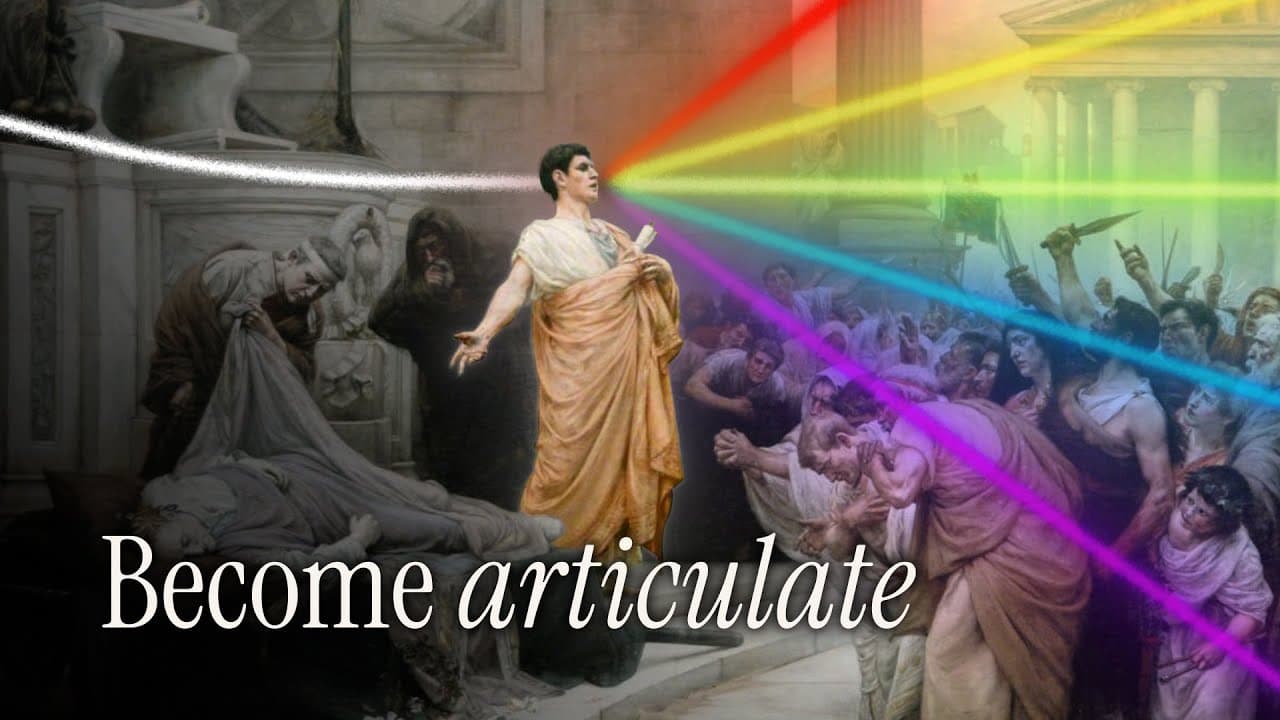
TL;DR
Articulation can be learned, not innate, and practical steps exist to improve it now. Embrace silence to think before you speak, build a knowledge base to support your arguments, journal for clarity, and leave room for inner dialogue to cultivate thoughtful speech. Try these techniques and adjust with practice.
Transcript
articulation is not a natural talent that you're just born with it's a skill one that can be improved the problem is you were just never really taught it in school or even College it's annoying that there's good ideas in your head but you just can't communicate them and instead you come across as awkward or foolish I was the same I hated school pre... Read More
Key Insights
- Articulation is a skill you can improve, not a natural talent you lack.
- Embracing silence in conversations reduces rushing and clumsy replies.
- If you cannot answer, you can reveal you need time to think and ask clarifying questions.
- Repeating the last sentence or question buys thinking time and shows active listening.
- If silence feels awkward, you can explain you need a moment to think to signal respect for the conversation.
- Having a base knowledge prevents half baked arguments and improves clarity when speaking.
- Journaling forces careful thought, slows idea flow, and improves future articulation.
- Leaving room for inner dialogue helps thoughts develop without external noise.
- Talking to the voices is a technique to surface other perspectives and improve reasoning.
- More videos from this channel:
- More from this channel: Odysseas
Install to Summarize YouTube Videos and Get Transcripts
Explore YouTube Video Summarizer or Get YouTube Transcript Extractor
Questions & Answers
Q: How can I start speaking more clearly today
Start by embracing a moment of silence before you answer, to gather your thoughts and deliver a composed response. If you cannot answer immediately, tell the person you need a moment to think. This demonstrates respect, improves the quality of your reply, and reduces miscommunication.
Q: Why is it important to have a knowledge base before sharing opinions
Having a base level of knowledge prevents half baked arguments and makes your articulation more precise. When you lack depth, ask questions and seek specific details you can reference. This approach keeps conversations constructive and helps you articulate your beliefs with nuance rather than knee jerk reactions.
Q: What does journaling do for articulation
Journal writing slows the flow of ideas and reveals details you might miss in casual speech. By writing, you identify mistakes, refine wording, and understand your own thinking better. This preparation translates into clearer, more confident spoken delivery when you share your thoughts aloud.
Q: How can repeating a question help in a conversation
Repeating the last sentence or the question itself buys you time to think and confirms what was said. It also shows the other person that you are listening actively and allows you to structure a more accurate, thoughtful response rather than rushing to respond.
Q: What is the benefit of leaving room for inner dialogue
Inner dialogue allows your thoughts to mature without external noise. When you reserve time for thinking, you can develop more coherent ideas, reduce impulse speaking, and improve the overall quality of your explanations. This leads to more thoughtful and persuasive communication.
Q: What should I do if silence feels awkward during a talk
If silence feels awkward, acknowledge it by saying you need a moment to think or by asking a clarifying question. This reframes the pause as purposeful rather than as a sign of weakness, and it helps you deliver a stronger, well-considered answer.
Q: How can journaling relate to creating video scripts
Writing a script or notes before speaking helps organize thoughts, anticipate audience questions, and improve clarity. The process trains you to articulate complex ideas clearly, and you can then speak more confidently without relying on improvised rambling.
Q: What is one simple daily habit to improve articulation
Practice pausing before speaking in everyday conversations. This habit reduces rushing, allows you to gather your thoughts, and makes your responses more coherent. Over time, repeated pauses become a natural part of your speaking rhythm, enhancing overall articulation.
Summary & Key Takeaways
-
A reader learns that articulation is a trainable skill and not a fixed talent, with concrete methods to implement immediately. The video emphasizes pausing, thinking, and listening as core habits to improve speaking clarity.
-
The second major theme is building a foundation of knowledge so opinions are well supported rather than rushed. The presenter advocates asking questions and seeking depth before forming statements.
-
A practical fourth tip encourages journaling to slow thinking and improve recall, then applying these insights to spoken guidance, supported by a plug for Skillshare as a learning resource.
Read in Other Languages (beta)
Share This Summary 📚
Summarize YouTube Videos and Get Video Transcripts with 1-Click
Try YouTube Summary with ChatGPT & Claude or YouTube Transcript Generator
Explore More Summaries from Odysseas 📚




Summarize YouTube Videos and Get Video Transcripts with 1-Click
Try YouTube Summary with ChatGPT & Claude or YouTube Transcript Generator