What Triggered Civil Service Reform Under Garfield?
TL;DR
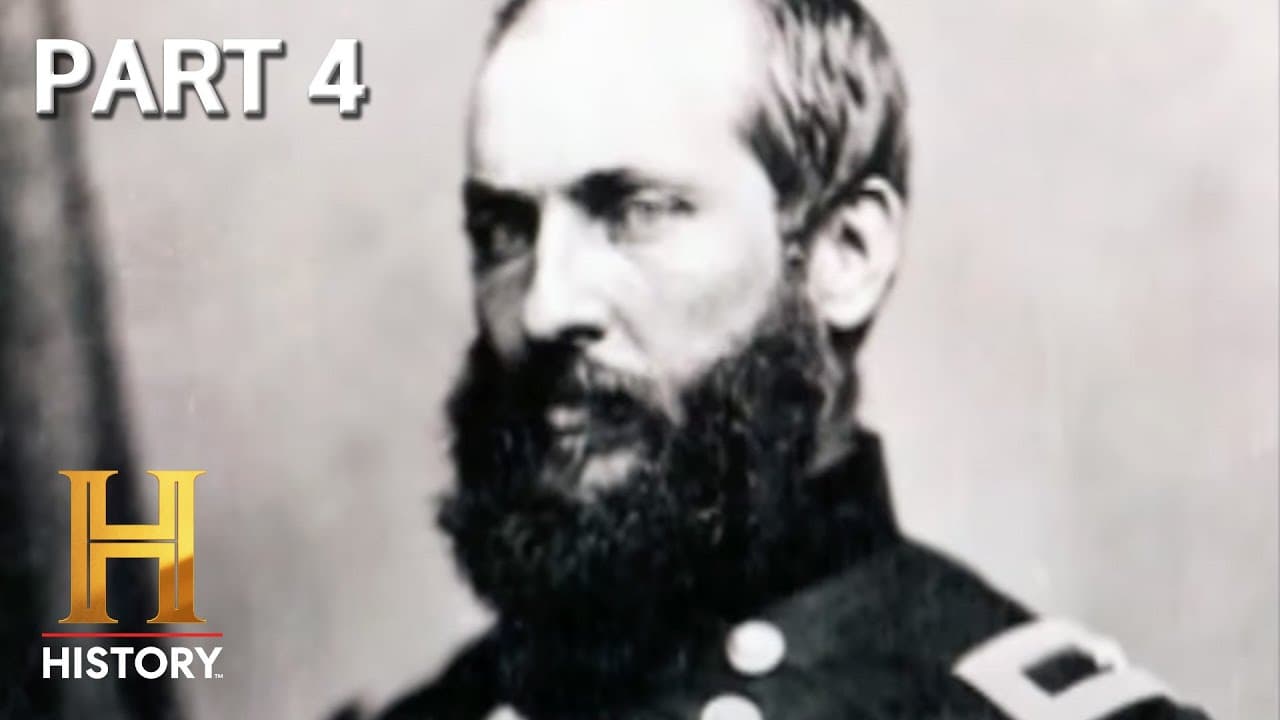
Garfield challenged the patronage system by appointing a rival of Conkling to a key post, sparking a reform movement. The ensuing controversy helped propel civil service reform and set the stage for Arthur to push major changes, including the Pendleton Act and navy modernization, after Garfield’s assassination and Arthur’s ascent.
Transcript
IN 1880, ULYSSES S. GRANT WANTED BACK IN THE GAME. VOTERS HAD FORGIVEN THE BELOVED GENERAL FOR THE CORRUPTION OF HIS FIRST TWO TERMS, AND HIS IMAGE HAD BEEN REHABILITATED BY A TRIUMPHANT WORLD TOUR WHERE HE WAS GREETED AS A HERO BY EVERYONE FROM DIPLOMATS TO COMMONERS. SO HE TRIED TO GET HIS PARTY'S NOMINATION, BUT, INSTEAD, ANOTHER OHIO GENERAL... Read More
Key Insights
- Garfield attacked the patronage system by appointing a rival to Conkling, signaling a shift toward merit based appointments.
- The crisis over patronage consumed Garfield's presidency and exposed the flaws of the spoils system as a political driving force.
- Conkling’s resignation from the Senate marked a turning point in the decline of machine politics.
- Garfield’s leadership style included openness but also a tendency to ruffle feathers, which complicated his reform efforts.
- The tragedy of Garfield’s assassination intensified the push for civil service reform and created political space for continuations under Arthur.
- Pendleton Act emerges as a milestone in civil service reform, aiming to reduce patronage and promote merit in federal offices.
- Arthur’s presidency shifts the narrative from reform rhetoric to concrete structural changes in government hiring and administration.
- Navy modernization under Arthur laid groundwork for future US military capability and strategic reforms.
- More videos from this channel:
- More from this channel: HISTORY
Install to Summarize YouTube Videos and Get Transcripts
Explore YouTube Video Summarizer or Get YouTube Transcript Extractor
Questions & Answers
Q: What sparked Garfield to challenge the spoils system and pursue reform?
Garfield faced pressure over patronage as president and decided to challenge the traditional practice by appointing a rival of Conklings to a major post. This risky move aimed to curb corruption and push merit based appointments. The confrontation highlighted the clash between reform minded officials and party machines, revealing the difficulties of transitioning from spoils to merit based governance.
Q: Who was Conkling and what role did he play in Garfield's presidency?
Roscoe Conkling was a powerful New York senator and political boss aligned with the spoils system. He led a faction that controlled patronage and opposed Garfield’s reform efforts. Garfield’s decision to appoint a rival to Conkling as chief collector challenged the established power, triggering a political firestorm and ultimately contributing to Conkling’s resignation from the Senate.
Q: What was the Pendleton Act and why is it mentioned in Garfield’s era?
The Pendleton Act was a landmark civil service reform law signed later during the Arthur administration. It represented the legislative response to the reform impulse sparked by Garfield’s challenge to the patronage system. The act aimed to transform government hiring away from partisan appointments toward merit based processes, marking a significant shift in federal administration.
Q: How did Garfield’s assassination influence reform momentum?
Garfield’s assassination created a powerful narrative around the need for merit based reform and increased attention to the abuses of patronage. It intensified public and political desire to remove corruption from government hiring, helping to propel reforms forward under President Arthur and contributing to the eventual passage of civil service reform measures.
Q: What changes did Arthur implement related to civil service reform?
Arthur implemented reforms the Pendleton Act and other merit based measures to weaken the spoils system. He embraced reform despite his image as a product of political machine politics, signaling a transformation in how the federal government would hire and promote staff from that point onward.
Q: Why is Garfield described as a reformer despite a short presidency?
Garfield is depicted as a reformer because his administration took decisive action against the corrupt patronage system, notably by challenging Conklings and pushing for merit based appointments. Although his time in office was brief, his stance created a lasting legacy that helped catalyze civil service reform and influenced subsequent policy changes.
Q: What role did public perception of patronage play in the narrative of reform?
Public perception of patronage as corrupt and unfair played a critical role in shaping reform. The widespread dissatisfaction with how jobs were allocated created political space for reformers, including Garfield and later Arthur, whose actions were framed as correcting systemic abuses and ensuring that government appointments were based more on merit than political connections.
Q: How did Garfield’s presidency impact the future of the US Navy modernization?
Garfield’s era set the stage for broader modernization efforts by highlighting a shift toward professional, merit based governance and strategic reform. The subsequent Arthur administration continued this modernization trajectory by elevating the Navy, which contributed to the United States building a stronger maritime capability that would influence later military strategy.
Summary & Key Takeaways
-
Garfield confronted the spoils system early in his presidency by appointing a rival to Conkling as chief collector, challenging long standing patronage norms. This bold move ignited opposition but highlighted merit based reform as a political necessity.
-
The political clash with Conkling and the mob of job seekers exposed the weaknesses of the patronage system, ultimately steering the administration toward merit based appointments and reforms that would shape the civil service.
-
Arthur, initially part of the old machine, embraced reform after Garfield's death, signing the Pendleton Act and driving naval modernization, illustrating a dramatic shift from spoils to merit in federal government under his leadership.
Read in Other Languages (beta)
Share This Summary 📚
Summarize YouTube Videos and Get Video Transcripts with 1-Click
Try YouTube Summary with ChatGPT & Claude or YouTube Transcript Generator
Explore More Summaries from HISTORY 📚




Summarize YouTube Videos and Get Video Transcripts with 1-Click
Try YouTube Summary with ChatGPT & Claude or YouTube Transcript Generator