How to rewire anxiety by retraining the amygdala
TL;DR
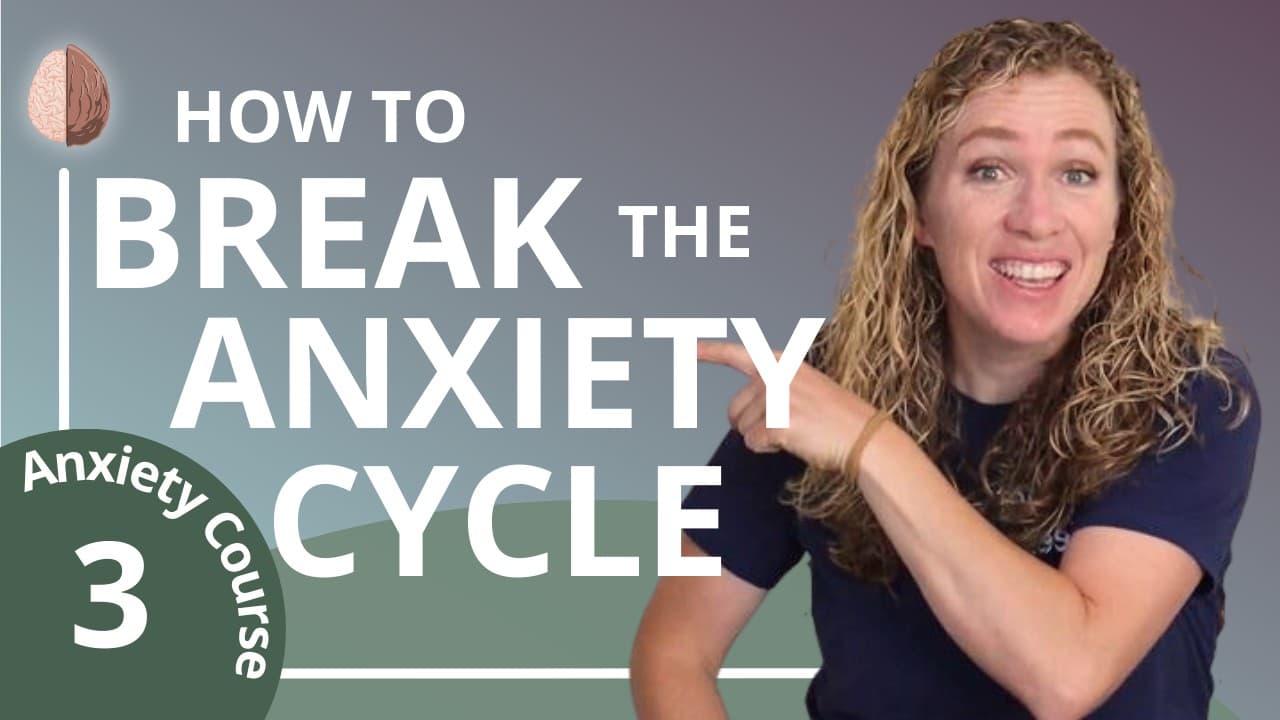
The amygdala acts as a fire alarm signaling fear when a threat is perceived. Anxiety grows when we avoid feared situations, because the brain learns to associate safety with avoidance. By approaching fears and creating safe experiences, the brain relearns that the threat is manageable, reducing anxiety over time through neuroplastic changes.
Transcript
Hi there. I'm Emma from Therapy in a Nutshell. Today you'll learn how you accidentally feed anxiety. I'm going to break down the amygdala's role in determining whether something is safe or dangerous and how you can leverage that to rewire your brain to be less anxious. And I've got some great stories to tell, including how I was nearly killed b... Read More
Key Insights
- The amygdala acts as the brain's fire alarm that signals fear or anxiety when a threat is perceived.
- Avoidance trains the brain to increase anxiety by reinforcing fear associations with avoided situations.
- Approaching feared situations creates new, safer experiences that gradually reduce anxiety.
- Neuroplasticity allows the brain to rewire its fear responses based on thought patterns and experiences.
- Safety can be restored when the brain reassesses a threat and downgrades danger.
- Realistic risk assessment and exposure lead to updated fear pairings and calmer responses.
- Public speaking fear can be reduced by gradual preparation and incremental exposure, not by waiting for anxiety to vanish.
- Persistent avoidance leads to a frozen state of ongoing anxiety, breaking the cycle requires action.
Install to Summarize YouTube Videos and Get Transcripts
Explore YouTube Video Summarizer or Get YouTube Transcript Extractor
Questions & Answers
Q: A real search query question about the video 1
What is the amygdala and how does it influence anxiety, and how can learning to face fears change the brain? The amygdala processes sensory information and signals fear when danger is perceived, triggering fight or flight. By approaching feared situations and creating safe, positive experiences, the brain learns that the threat is manageable, reducing future anxiety.
Q: What causes anxiety to increase according to the video 2
Anxiety increases when people avoid feared situations because the brain learns from avoidance that the danger is real. This avoidance behavior reinforces fear associations, making later encounters feel more threatening. Over time, this creates a loop where anxiety persists even in non dangerous contexts.
Q: How does the brain regain a sense of safety after fear
Safety is restored when the amygdala reassesses a situation and determines there is no immediate danger. The parasympathetic system then lowers arousal, and people can relax, laugh, or share the experience. Repeated safe exposures strengthen this reclassification and reduce overall anxiety.
Q: What role does neuroplasticity play in anxiety management
Neuroplasticity allows the brain to physically and chemically rewire itself based on how we think and act. When we face fears and accumulate successful experiences, the brain updates fear associations, leading to decreased anxiety and increased confidence over time.
Q: How did Megan’s bear fear change during the story
Megan initially feared bears and avoided Rustles in the bushes, which reinforced her anxiety. After facing the fear within a group, with safety measures and observed bears from a distance, her sense of safety improved, rustles were downgraded to manageable dangers, and she became less anxious on future hikes.
Q: What is the difference between avoidance and approach responses
Avoidance responses try to escape or avoid feared situations, which intensifies anxiety over time. Approach responses involve facing the fear, preparing, and gradually exposing oneself to the feared situation, allowing positive experiences to rewire the brain and reduce anxiety.
Q: Why can't you wait for fear to disappear before facing it
Waiting for fear to disappear can leave you helpless because emotions are not directly controllable. The video emphasizes that you must allow the anxiety to be present, then face the fear and observe safety signals, which teaches the brain that the threat is not imminent.
Q: How can public speaking anxiety be reduced according to the video
Public speaking anxiety can be reduced by acknowledging the fear, preparing the material, practicing in front of trusted people, and gradually increasing exposure. With each successful presentation, the brain updates fear associations, and anxiety declines as confidence grows.
Summary & Key Takeaways
-
The video explains how the amygdala triggers fear and why avoidance strengthens anxiety, showing that safety is restored through real experiences rather than rumination. It emphasizes that the brain is plastic and can rewire its fear responses with practice and exposure.
-
A practical example follows a teenage camper who fears bears; avoidance initially increases fear, but facing the fear with safety measures and social support reduces anxiety and reclassifies rustles as less dangerous over time.
-
The course promotes an approach mindset for fears like public speaking, illustrating step by step how preparation, gradual exposure, and positive outcomes retrain the brain to pair challenges with safety rather than danger.
Read in Other Languages (beta)
Share This Summary 📚
Summarize YouTube Videos and Get Video Transcripts with 1-Click
Try YouTube Summary with ChatGPT & Claude or YouTube Transcript Generator
Explore More Summaries from Therapy in a Nutshell 📚


Summarize YouTube Videos and Get Video Transcripts with 1-Click
Try YouTube Summary with ChatGPT & Claude or YouTube Transcript Generator