What Is the Global Burden of Mental Health Disorders?
TL;DR
Mental health disorders, including depression, anxiety, bipolar disorder, and schizophrenia, account for a significant global disease burden, particularly affecting women and low-income populations. These conditions often lead to substantial disability and economic costs, emphasizing the urgent need for increased awareness, funding, and effective treatment strategies.
Transcript
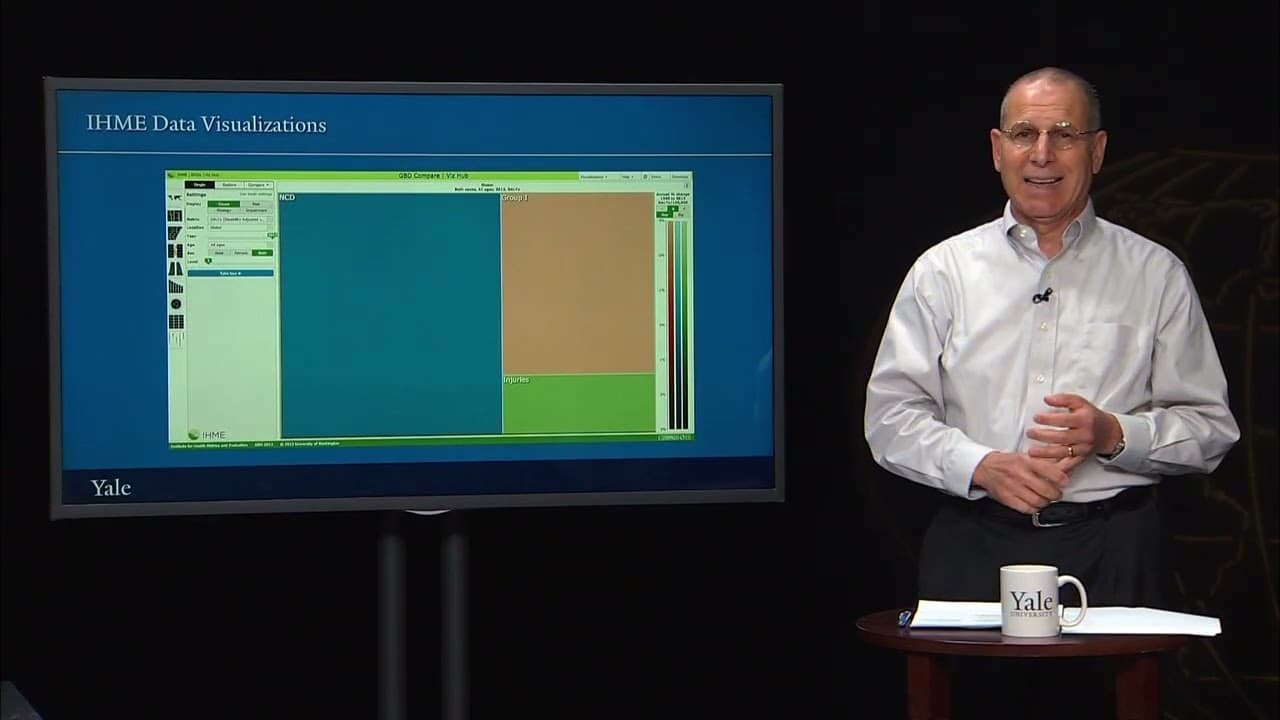
welcome today we're going to speak about Mental Health by the time you finish this session you should be able to speak comfortably about the burden of mental disorders who is affected by that burden the key risk factors for mental disorders the Health social and economic consequences of them and selected measures that can be taken to address mental... Read More
Key Insights
- 🤕 Mental health disorders, including depression, anxiety, bipolar disorder, and schizophrenia, have a significant global burden, affecting individuals of all ages and genders.
- 😘 The burden of mental health disorders is often underestimated and underappreciated worldwide, particularly in low and middle-income countries.
- 🧑⚕️ Mental health disorders have a substantial economic cost, impacting national income and individual productivity.
Install to Summarize YouTube Videos and Get Transcripts
Explore YouTube Video Summarizer or Get YouTube Transcript Extractor
Questions & Answers
Q: How prevalent are mental disorders globally, and are they more common in certain countries?
Mental disorders are prevalent globally, with depression, anxiety, bipolar disorder, and schizophrenia being the most common. They affect individuals of all ages, but often start in adolescence or young adulthood. The burden of mental disorders is particularly high in low and middle-income countries.
Q: What are the risk factors for mental disorders?
Risk factors include genetic predisposition, early childhood abuse, violence, poverty, low education levels, and lack of social support. Women are more likely to experience depression, while risk factors for bipolar disorder, schizophrenia, and panic disorder are less well understood.
Q: How do mental health disorders impact individuals economically?
Mental health disorders have a significant economic cost, both on a national and individual level. Studies show that mental health disorders cost countries a significant proportion of their national income. On an individual level, workers suffering from depression lose a substantial number of workdays each year, leading to decreased productivity and income.
Q: What measures can be taken to address mental health disorders?
The World Health Organization recommends fundamental steps to lay the foundation for addressing mental health issues, including implementing mental health policies, budgeting for mental health programs, training healthcare workers, and integrating mental health into primary healthcare services. Community-based approaches, combined with psychosocial support and drug therapy, have shown positive outcomes in addressing mental health disorders.
Summary & Key Takeaways
-
Mental disorders, including depression, anxiety, bipolar disorder, and schizophrenia, contribute significantly to the global burden of disease, causing disability and impacting individuals at a young age.
-
The burden of mental health disorders is higher for women globally, and it is particularly substantial in low and middle-income countries.
-
Mental health disorders have a significant economic cost, affecting national income and productivity in high-income countries.
-
Prevention and treatment options for mental disorders exist, but there is a need for greater awareness, funding, and resources to address these conditions effectively.
Read in Other Languages (beta)
Share This Summary 📚
Summarize YouTube Videos and Get Video Transcripts with 1-Click
Try YouTube Summary with ChatGPT & Claude or YouTube Transcript Generator
Explore More Summaries from YaleCourses 📚




Summarize YouTube Videos and Get Video Transcripts with 1-Click
Try YouTube Summary with ChatGPT & Claude or YouTube Transcript Generator