How to Survive Wild Animal Attacks: 13 Essential Tips
TL;DR
To survive wild animal attacks, stay calm and understand animal behaviors. Key tips include maintaining eye contact with predators, avoiding sudden movements, and recognizing warning signs in animals. For example, to evade a charging bull, stand still and throw a distraction like clothing. Each species requires a different approach for your safety.
Transcript
13 tips you should know to survive wild animal attacks many wild animals can be dangerous or even fatal for a person if you look at the statistics you might feel terrified sharks cause just six deaths a year their infamous reputation is very exaggerated wolves are responsible for 10 deaths annually lions kill 22 people a year now get ready elephant... Read More
Key Insights
- ⛔ Statistics show that while wild animals can be dangerous, actual fatalities are often limited to specific species.
- 👊 Calm behavior and understanding animal instincts are critical in preventing attacks and ensuring personal safety.
- 💁 Different animals require different strategies; recognizing their body language can provide crucial information for safe navigation.
- 😪 Many commonly held beliefs about animal behavior, such as “bulls charge at red,” are misconceptions affecting public understanding of safety.
- ❓ Practical advice includes using props, like clothing, to divert attention from oneself in dangerous animal encounters.
- 🦻 Certain animals, like jellyfish, offer effective first-aid responses for stings rather than common but ineffective myths.
- 💀 Sharing knowledge about wildlife dangers promotes broader awareness and personal safety practices within communities.
Install to Summarize YouTube Videos and Get Transcripts
Explore YouTube Video Summarizer or Get YouTube Transcript Extractor
Questions & Answers
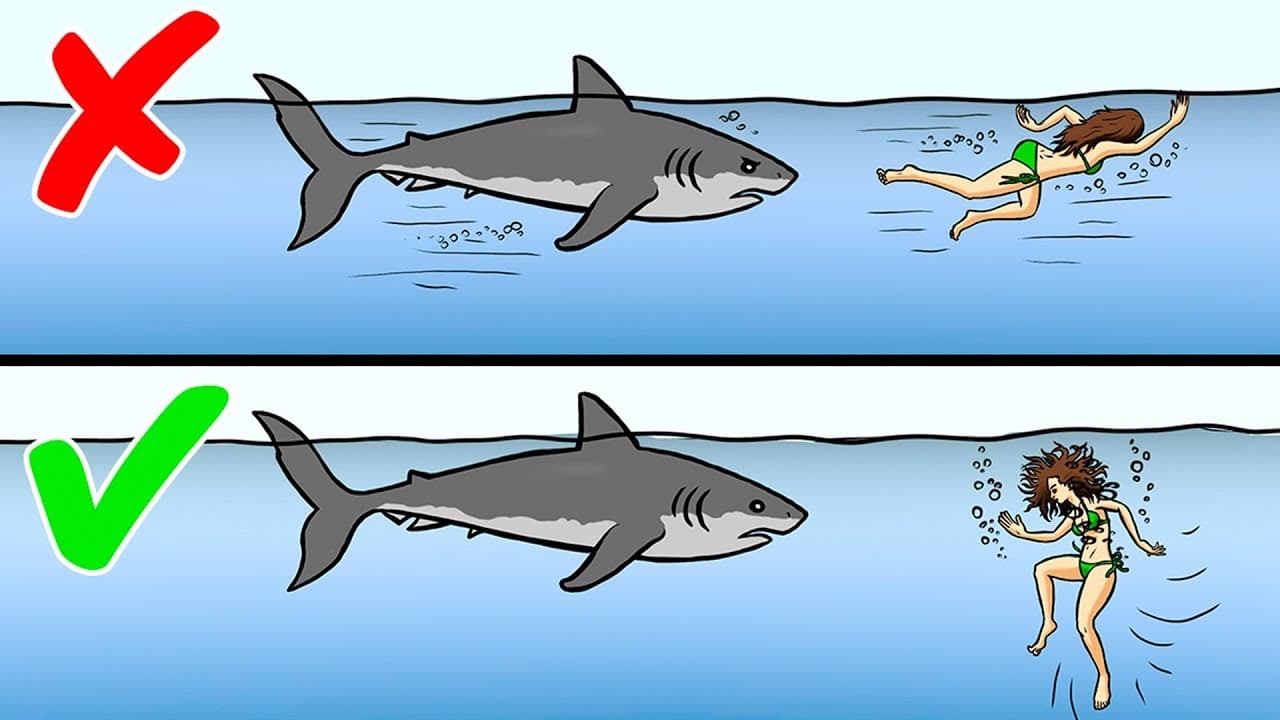
Q: What are the risks posed by sharks, and how should one react if encountering one?
Although only a limited number of shark species attack humans, the risk remains. If encountered, avoid panicking, which can provoke the shark to act defensively. Instead, maintain eye contact, back away slowly, and if caught, target the shark's eyes or gills, its most vulnerable areas.
Q: How should one behave when encountering a lion in the wild?
In the event of a lion sighting, maintain eye contact and avoid turning your back. Make yourself appear larger by raising your arms and speaking in a loud voice, which can confuse the predator and deter an attack. This behavior is atypical for prey and may encourage the lion to retreat.
Q: Why are elephants considered dangerous, and what should one look for when near them?
Elephants may appear gentle but can be aggressive, especially when a mother perceives a threat to her calf. Observing their body language is crucial; if their trunk is curled or ears flared, they may charge. When approached, find a solid barrier between you and the elephant, rather than fleeing.
Q: What is the proper response if faced with a bear in the wild?
If confronted by a bear, do not run, as this could trigger a chasing instinct. Instead, fall to the ground and protect your neck with your arms to appear non-threatening. Remain calm and play dead, as this may convince the bear to lose interest and leave you alone.
Summary & Key Takeaways
-
The video outlines 13 vital tips to help individuals survive potential encounters with dangerous wildlife, emphasizing awareness and calmness.
-
Various animals are discussed, from sharks to bees, detailing their behavior and the best practices to avoid provoking them during an encounter.
-
The content encourages viewers to share these survival techniques, fostering a community commitment to safety in nature.
Read in Other Languages (beta)
Share This Summary 📚
Summarize YouTube Videos and Get Video Transcripts with 1-Click
Try YouTube Summary with ChatGPT & Claude or YouTube Transcript Generator
Explore More Summaries from BRIGHT SIDE 📚






Summarize YouTube Videos and Get Video Transcripts with 1-Click
Try YouTube Summary with ChatGPT & Claude or YouTube Transcript Generator