How to prevent automatic transmission damage while driving
TL;DR
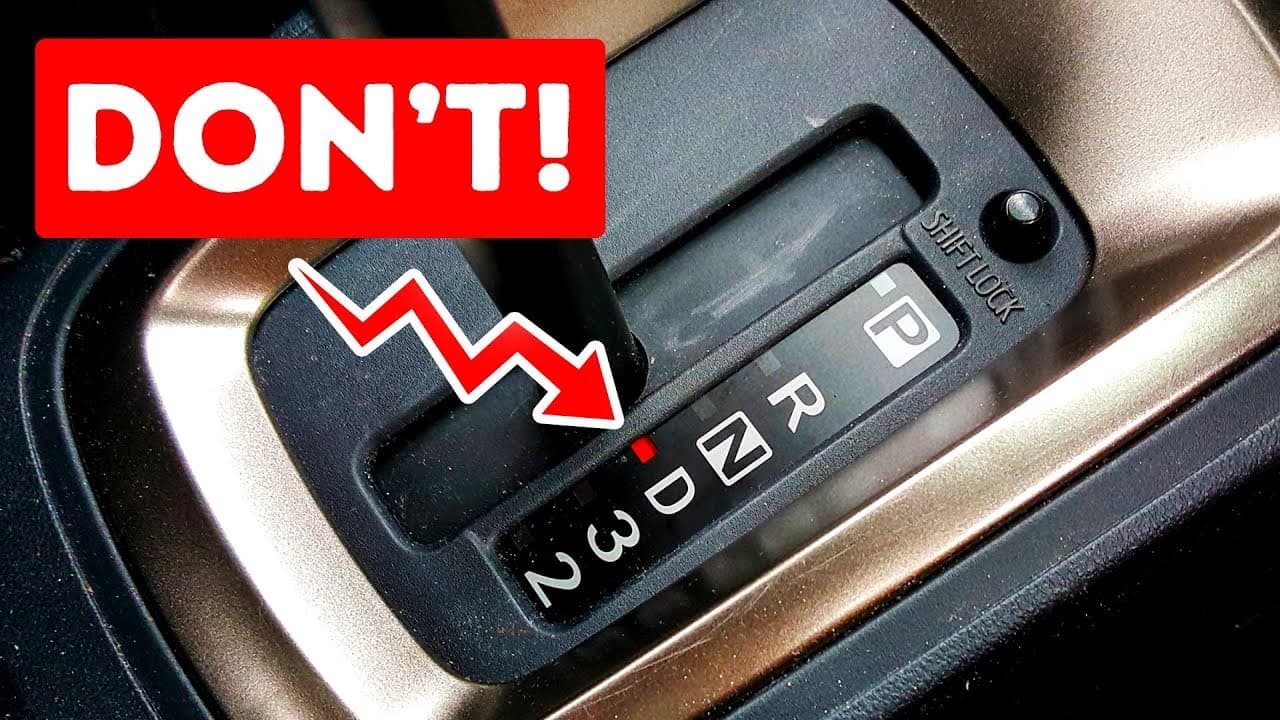
The video explains seven dangerous habits that can harm an automatic transmission and the costs involved. Avoid shifting from Drive to Reverse while moving, never park while still rolling, don’t shift to Neutral at lights, don’t coast in Neutral, don’t launch from standstill, keep fuel above low levels, and prevent water contamination in the transmission. Proper habits save repair costs and extend transmission life.
Transcript
seven things you should never do with an automatic transmission at first glance driving a car with an automatic transmission may seem easier than driving a manual the interface of automatic vehicles is often simpler and new drivers don't have to struggle with the seemingly unruly stick shift and clutch this is supposed to allow them to concentrate ... Read More
Key Insights
- The key to avoiding transmission damage is to avoid shifting while the car is moving, since the transmission uses gears and brakes to stop the vehicle rather than the brakes alone.
- The park position is not a stopping mechanism for a moving car; locking mechanisms can break or erode if the car is still rolling when Park is engaged.
- Maintaining Drive at a stoplight provides better control and reduces the risk of unintended gear engagement or aggressive engine revving.
- Neutral at stoplights reduces engine braking and control, leading to potential safety issues and unnecessary fuel use.
- Coasting in Neutral deprives the engine of proper cooling and lubrication, increasing the risk of transmission wear and overheating.
- Launching from standstill by revving in Neutral and then shifting to Drive accelerates friction surfaces and can cause clutches and bands to wear out prematurely.
- Keeping the fuel tank above low ensures proper fuel pressure and lubrication for transmission components, preventing accelerated wear.
- Water in the transmission deteriorates clutch glue, promotes rust, and often necessitates an overhaul or replacement if unnoticed.
Install to Summarize YouTube Videos and Get Transcripts
Explore YouTube Video Summarizer or Get YouTube Transcript Extractor
Questions & Answers
Q: A real search query question about the video (e.g. 'How to...', 'What is...', 'Why does...', 'When should...'). Question 1
What should you never do with an automatic transmission while the car is moving? The video stresses that shifting from Drive to Reverse while moving uses the transmission as a brake and can cause damage, leading to costly repairs such as replacing or rebuilding transmission components. Always come to a full stop before shifting between gears to minimize wear and avoid expensive damage.
Q: Question 2
Why is putting the car in Park before it stops completely dangerous? Park locks the transmission output shaft, which can break or erode if the wheels are still turning. This can cause irreversible damage, and in some cases may require full transmission overhaul. The safest practice is to wait until the vehicle is fully stopped before engaging Park.
Q: Question 3
Why should you avoid putting the car in Neutral at stoplights? Neutral reduces control and increases fuel waste due to idle revving if you forget you put it in Neutral. Keeping the car in Drive ensures you retain engine braking and immediate maneuverability if needed, and avoids unnecessary machinery wear that Neutral can cause.
Q: Question 4
What happens if you coast in Neutral? Coasting in Neutral decreases engine cooling and lubrication of the oil pump, and it reduces your ability to react quickly. The engine runs at the lowest rpm, which can lead to overheating and potential damage to transmission and engine components, making driving less safe and less efficient.
Q: Question 5
Why is launching from a standstill harmful to an automatic transmission? Launching involves revving in Neutral and shifting to Drive, which increases friction on clutches and bands. Repeated launches wear these components prematurely and can result in slipping gears, expensive repairs, and potential complete transmission failure.
Q: Question 6
Why should you not run the tank dry to protect the transmission? A low fuel level can affect fuel pressure and lubrication necessary for transmission operation. The video notes that keeping fuel above low helps maintain proper lubrication and operation of transmission-related components, reducing abnormal wear and extending life.
Q: Question 7
What is the risk of water getting into the transmission and how to avoid it? Even an ounce of water can disrupt the friction lining that bonds clutch plates and cause rust among metal parts. This damage may require an overhaul if detected late. Avoid situations where water could enter the transmission and have the system inspected if exposure is suspected.
Q: Question 8
What everyday habit significantly protects an automatic transmission and avoids costly repairs? The video emphasizes staying out of Neutral at lights, avoiding shifting during movement, and keeping the car fully stopped before changing gears. These practices minimize wear on clutches, bands, and gear assemblies, thereby reducing the risk of expensive failures and improving overall vehicle safety.
Summary & Key Takeaways
-
Keep the car in Drive until you are fully stopped rather than shifting to Park or Neutral prematurely, as locking mechanisms can fail if the car is still moving. This can lead to costly transmission damage.
-
Coasting in Neutral reduces control and cooling of the engine, which can cause wear and overheating of transmission components and should be avoided for safer driving and longevity.
-
Water intrusion into the transmission is extremely harmful; even an ounce can cause clutch and gear damage, rust, and may require an overhaul if not detected early.
Read in Other Languages (beta)
Share This Summary 📚
Summarize YouTube Videos and Get Video Transcripts with 1-Click
Try YouTube Summary with ChatGPT & Claude or YouTube Transcript Generator
Explore More Summaries from BRIGHT SIDE 📚


Summarize YouTube Videos and Get Video Transcripts with 1-Click
Try YouTube Summary with ChatGPT & Claude or YouTube Transcript Generator