How to Respond to Bullies and De-Escalate
TL;DR
Respond to bullies by staying calm, naming or questioning the behavior, and making clear that you did not cause the pain driving it. The framework traces bullying to fear, personal injury, insecurity, shame, or a loss of control, illustrated by the defensive Chihuahua and porcupine patterns. Read on for specific phrases and techniques that can interrupt an aggressor’s script without escalating the confrontation.
Transcript
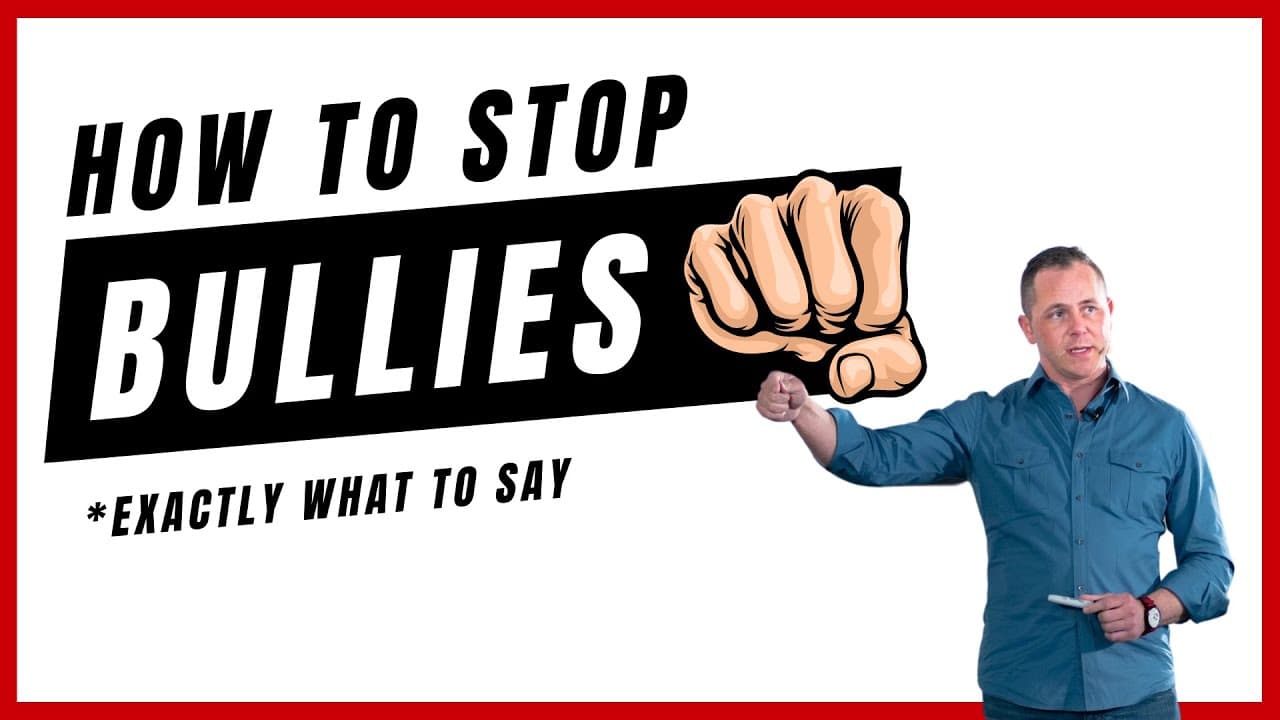
how to deal with how to respond to bullies and not just like oh here's a couple of techniques and all that kind of BS I'm going to give you word for word examples on what to say your kids are about to start school and I'm doing this entire live with zero profanity hopefully to talk to you and maybe if you want to show this video to your kids about ... Read More
Key Insights
- Bullying is unwanted aggressive behavior involving a real or perceived power imbalance, and it is repeated or has the potential to be repeated. It can include threats, rumors, physical or verbal attacks, and deliberate exclusion from a group.
- The Chihuahua pattern is a defensive strategy based on noise, exaggerated action, and intimidating posturing. A person using this pattern may act loud or dominant because keeping others frightened and distant creates a temporary feeling of safety.
- The porcupine pattern is a defensive strategy that causes injury when another person becomes too close or familiar. It can develop after painful experiences with vulnerability, leading someone to treat emotional closeness as a threat that must be repelled.
- Bullying can arise from a perceived loss of control or an unresolved personal injury. In the framework presented, hurting someone else may feel like a way to restore balance when the aggressor believes that personal success requires another person’s failure.
- Significance-seeking bullying works by making the target think about the aggressor long after an incident ends. A person who feels insignificant elsewhere may create importance by becoming a source of worry, discomfort, or attention in another person’s life.
- Insecurity-based bullying attempts to reduce another person’s confidence or comfort. When an aggressor sees someone appearing happy, secure, or comfortable in their own skin, they may try to make that person less comfortable to equalize the perceived difference.
- Shame-based bullying projects a hidden quality onto another person through ridicule or judgment. The underlying logic is that condemning a trait in someone else allows the aggressor to distance themselves from the possibility that they possess the same trait.
- De-escalation is the recommended default response to bullying. Calm questions can separate the target from the aggressor’s original hurt, appeal to the aggressor’s better identity, expose rehearsed social behavior, and create an opportunity for the aggressor to regain self-control.
Install to Summarize YouTube Videos and Get Transcripts
Explore YouTube Video Summarizer or Get YouTube Transcript Extractor
Questions & Answers
Q: How should you respond to a bully without escalating the situation?
Use calm, prepared statements or questions that redirect attention to the aggressor’s behavior. You can say, “Whoever hurt you, I promise it wasn’t me,” or ask whether something is wrong. This separates you from the bully’s original pain while giving them an opportunity to regain control.
Q: What can you say when a bully appears hurt or insecure?
You can say, “I’m truly and very sorry for whoever hurt you,” or, “I’m very sorry that you got hurt, but it isn’t me.” You can also ask whether acting this way makes them feel bigger or more accepted. These responses acknowledge a possible injury without accepting blame for it.
Q: Why do people become bullies according to this framework?
Bullying can arise from fear, personal injury, insecurity, shame, feeling insignificant, or a perceived loss of control. An aggressor may hurt someone to restore a sense of balance, gain significance by occupying the target’s thoughts, or make a confident person feel less secure. The framework applies these motives to both children and adults.
Q: What are the Chihuahua and porcupine bully patterns?
The Chihuahua pattern uses noise, exaggerated reactions, and dominant posturing to frighten people away and feel safe. The porcupine pattern causes injury when someone becomes too close or when vulnerability feels threatening. Both patterns are presented as defensive mechanisms operating from fear.
Q: How can you appeal to a bully’s better identity?
Describe the aggressor as better than the behavior they are displaying. You might say that you know they are nicer than this, that they do not seem like someone who hurts people without reason, or that they do not usually lose control so easily. Asking whether something is wrong then gives them an acceptable way to change course.
Q: How can predicting a bully’s reaction interrupt the behavior?
State what the aggressor will probably do next, such as laugh, dismiss the question as stupid, call it awkward, or seek agreement from others. Following that prediction makes their performance look rehearsed and predictable rather than powerful. Avoiding it requires them to choose a different response.
Q: How does shame contribute to bullying?
Shame-based bullying involves ridiculing or judging a quality in someone else to create distance from that same quality. The aggressor’s logic is that condemning the trait proves they do not possess it. Under this framework, the attack reflects the bully’s hidden shame rather than reliable information about the target.
Q: What behaviors qualify as bullying?
Bullying is unwanted aggressive behavior involving a real or perceived power imbalance, and it is repeated or has the potential to be repeated. It can include threats, rumors, physical or verbal attacks, and deliberate exclusion from a group. Power may come from strength, popularity, or embarrassing information.
Summary & Key Takeaways
-
Bullying is presented as defensive behavior rooted in fear, injury, insecurity, shame, or a perceived loss of control. The Chihuahua metaphor represents loud posturing that keeps others away, while the porcupine represents hurting anyone who becomes emotionally close. Both patterns attempt to create safety, even though they can harm other people.
-
The framework groups bullies around fears of loss or injury, secret shame, and hidden fear. Some aggressors seek significance by occupying another person’s thoughts, while others try to balance perceived inequalities by making confident people uncomfortable. Bullying can also enforce social expectations through judgment, exclusion, threats, rumors, or verbal and physical attacks.
-
The recommended response is calm de-escalation through prepared statements and questions. A target can separate themselves from the aggressor’s original pain, question whether cruelty creates acceptance, affirm the aggressor’s better identity, or predict their likely deflection. Naming the social performance makes the behavior visible and gives the aggressor an opportunity to regain control.
Read in Other Languages (beta)
Share This Summary 📚
Summarize YouTube Videos and Get Video Transcripts with 1-Click
Try YouTube Summary with ChatGPT & Claude or YouTube Transcript Generator
Explore More Summaries from Chase Hughes 📚




Summarize YouTube Videos and Get Video Transcripts with 1-Click
Try YouTube Summary with ChatGPT & Claude or YouTube Transcript Generator