What Are the Principles of Effective Level Design?
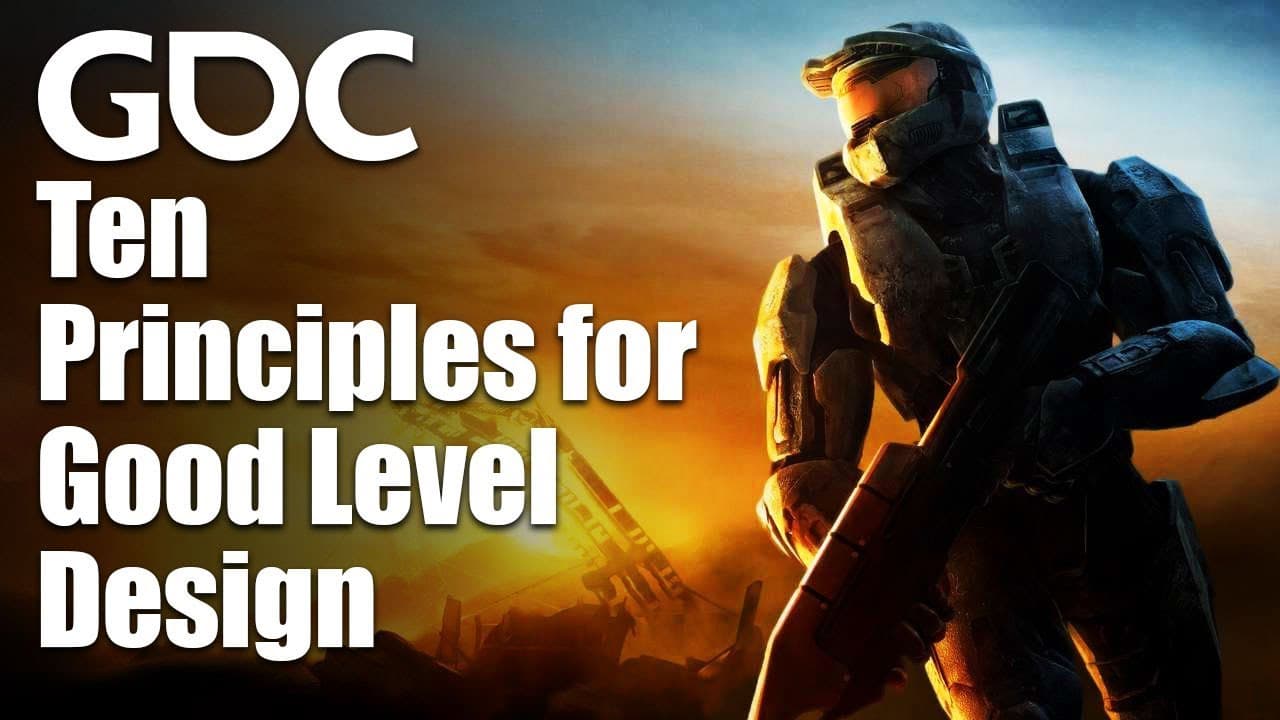
TL;DR
Effective level design is guided by principles such as clarity in navigation, narrative without words, and player empowerment. Levels should teach new mechanics, offer surprises, and be efficient. The ultimate goal is to create an emotional response and showcase the game's mechanics, ensuring that levels are both engaging and immersive.
Transcript
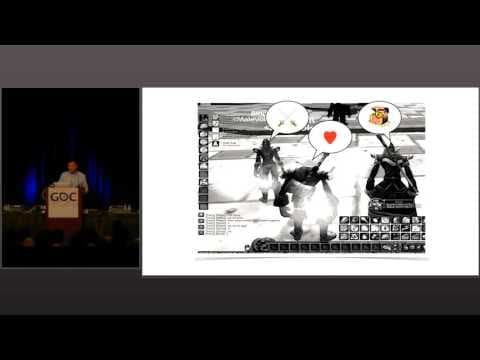
hey everybody y'all having a good GDC thus far awesome thank you ever so much for sticking around for the end to see my my little presentation that's super good of you I've been out I've been authorized by the event coordinators to warn you that they've given me this laser device to blind anyone whose mobile phone goes off so if you could please tu... Read More
Key Insights
- Good level design is fun to navigate, requiring a clear visual language to guide the player while allowing for some chaos to enhance drama.
- Narratives in level design should rely on implicit and emergent storytelling rather than explicit dialogue or text.
- Levels should clearly communicate objectives but not dictate how players achieve them, allowing for multiple paths and styles.
- Constantly introducing new mechanics keeps players engaged, as seen in games like Zelda where new equipment is regularly introduced.
- Surprises in level design prevent predictability, maintaining player interest through unexpected challenges or pacing shifts.
- Empowering players by allowing them to see the impact of their actions enhances the escapism that games provide.
- Risk and reward should be balanced in levels to allow players to set their own difficulty dynamically.
- Efficiency in level design involves modularity and bi-directionality, maximizing resource use without unnecessary repetition.
Install to Summarize YouTube Videos and Get Transcripts
Explore YouTube Video Summarizer or Get YouTube Transcript Extractor
Questions & Answers
Q: How can level design enhance player navigation?
Level design enhances player navigation by creating a consistent visual language that guides players through the critical path. This involves the use of lights, geometry, color, and animation to clearly indicate where players should go, while also allowing for exploration and discovery through hidden paths or rewards.
Q: What role does narrative play in level design?
Narrative in level design is conveyed through implicit and emergent storytelling rather than explicit dialogue or text. Designers use environmental cues and player-driven stories to create a narrative that players can piece together, enhancing immersion and engagement without relying on traditional storytelling methods.
Q: How does level design empower players?
Level design empowers players by allowing them to see the impact of their actions within the game world. This can be achieved through mechanics that reflect player choices, such as moral decisions or environmental changes, which reinforce the player's sense of agency and influence over the game.
Q: Why is it important for level design to be surprising?
Surprising level design prevents predictability and keeps players engaged by subverting expectations. By introducing unexpected challenges, altering pacing, or presenting new scenarios, designers can maintain player interest and create memorable experiences that stand out in the gaming landscape.
Q: How can risk and reward be balanced in level design?
Balancing risk and reward in level design involves creating multiple pathways with varying levels of challenge. Players can choose more difficult paths for greater rewards or easier paths for safer progression. This dynamic allows players to set their own difficulty, enhancing replayability and player satisfaction.
Q: What is the significance of modularity in level design?
Modularity in level design is significant because it allows for efficient use of resources by creating reusable elements that can be combined in various ways to form different levels. This approach maximizes production efficiency and enables designers to create more content without repeating the same experiences.
Q: How can level design evoke emotions in players?
Level design evokes emotions by using spatial empathy and narrative elements to create specific feelings. Designers can manipulate space, light, and sound to induce emotions such as tension, awe, or excitement, ensuring that the player's emotional journey aligns with the game's overarching narrative goals.
Q: What is the relationship between mechanics and level design?
The relationship between mechanics and level design is foundational, as levels are designed to showcase and leverage the game's mechanics. Effective level design integrates mechanics into the environment, creating a seamless experience where gameplay elements are naturally incorporated into the player's journey.
Summary & Key Takeaways
-
Good level design involves creating environments that are both intuitive and engaging, with clear navigation and opportunities for exploration. Levels should tell stories through their environments and offer players choices in how to achieve objectives. Constantly teaching players new mechanics keeps the experience fresh and engaging.
-
Surprises and risks are essential to prevent monotony in level design. By subverting expectations and offering varied challenges, designers can maintain player interest and enhance the emotional impact of the game. Empowering players by allowing them to see the effects of their actions further enhances engagement.
-
Efficiency in level design is crucial, utilizing modular elements and bi-directionality to maximize resources. Levels should be designed to showcase the game's mechanics, creating a cohesive and immersive experience that leverages the interactive nature of video games to evoke emotions.
Read in Other Languages (beta)
Share This Summary 📚
Summarize YouTube Videos and Get Video Transcripts with 1-Click
Try YouTube Summary with ChatGPT & Claude or YouTube Transcript Generator
Explore More Summaries from GDC Festival of Gaming 📚
Summarize YouTube Videos and Get Video Transcripts with 1-Click
Try YouTube Summary with ChatGPT & Claude or YouTube Transcript Generator