How to think again and stay open to being wrong
TL;DR
Open minded thinking is possible through deliberate practice of questioning assumptions. Adam Grant argues that thinking again improves decision making, reduces bias, and strengthens teams when done with humility and curiosity. The conversation covers polarization, the role of conspiracy theories, and practical steps to adopt a more flexible mindset in work and life.
Transcript
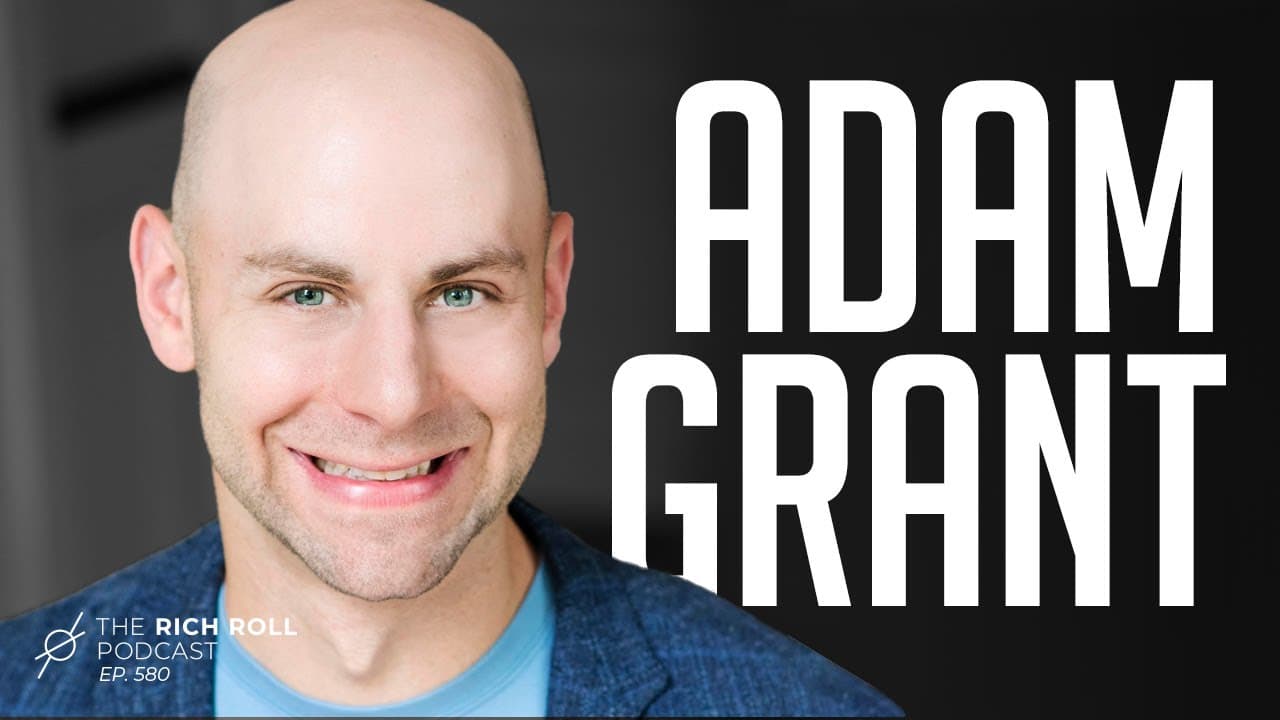
Hey everybody, welcome to the podcast, you guys are in for a treat today because my guest is none other, than the organizational psychologist, TED talker extraordinaire, and multiple New York Times bestselling author Adam Grant. This is a guy who was named Wharton's top rated Professor, seven years in a row, seven years straight. He's recognized as... Read More
Key Insights
- Adam Grant emphasizes thinking again as a discipline that favors humility and curiosity over certainty.
- The core idea is to challenge beliefs with new evidence and be willing to change stance when warranted.
- We tend to overvalue being right; rethinking helps reduce bias and improve judgment.
- Social media feeds amplify confirmation bias, making open mindedness more necessary yet harder.
- Conspiracy theories offer a special challenge because believers view themselves as seekers of truth.
- A practical antidote is to seek disconfirming evidence and engage with diverse viewpoints.
- Think Again is positioned as a guide for personal and organizational betterment.
- The discussion connects thinking again to real world events like political polarization and democracy challenges.
- More videos from this channel:
- More from this channel: Rich Roll
Install to Summarize YouTube Videos and Get Transcripts
Explore YouTube Video Summarizer or Get YouTube Transcript Extractor
Questions & Answers
Q: What is the core purpose of Think Again according to the speaker
The core purpose of Think Again is to encourage people to rethink their beliefs and to choose intellectual flexibility over stubborn consistency. It promotes humility and curiosity as tools to improve decision making, reduce bias, and foster more productive dialogue in both personal and professional settings. The goal is not to abandon beliefs, but to refine them in light of new evidence.
Q: How does polarization affect our ability to rethink
Polarization makes it harder to rethink because people grow attached to identities tied to certain beliefs and information sources, which reinforces confirmation bias. The speaker notes that social media algorithms worsen this by serving up what users want to hear, creating environments where disagreement is framed as threat rather than opportunity for learning.
Q: Why are conspiracy theories particularly challenging to address
Conspiracy theories are challenging because believers often see themselves as wiser than the mainstream and claim special access to truth. This self view creates resistance to updating beliefs, since admitting error can feel like admitting loyalty to a group was misplaced. The speaker suggests that this requires tailored approaches that separate beliefs from identities while encouraging critical evaluation.
Q: What role does humility play in rethinking
Humility is central because it enables individuals to acknowledge gaps in their knowledge, accept being wrong, and seek new evidence without feeling diminished. It allows for constructive conversations where people listen, clarify, and adjust their views, which in turn improves trust and collaboration within teams and communities.
Q: What practical steps can someone take to think again more often
Practical steps include actively seeking disconfirming evidence, engaging with people who hold opposing views, and explicitly scheduling time to review and revise your beliefs. It also helps to label uncertainties, test assumptions with small experiments, and create a culture where questioning ideas is valued rather than punished.
Q: How does the conversation tie Think Again to democratic processes
The conversation links Think Again to democracy by highlighting how rethinking beliefs could prevent the spread of misinformation and reduce susceptibility to false narratives. If more people question their assumptions, there is a greater chance of maintaining a functioning democratic system where decisions are based on evidence rather than loyalty.
Q: What does the host mean by the idea of a war between two worlds
The host describes a clash between environments that encourage fixed beliefs and those that promote open mindedness. The implication is that thinking again is a strategic stance in this contest, requiring intentionality to counteract confirmation bias and to foster dialogue that can bridge divides in work and society.
Q: Did the discussion address how current events influence thinking strategies
Yes, the discussion acknowledges events like political polarization and the capital insurrection as moments that stress the need for rethinking. It recognizes that while Think Again originated as timeless guidance for intellectual flexibility, current events reveal the urgency of applying those ideas to real world challenges and misinformation.
Summary & Key Takeaways
-
Summary point 1: The guest argues that thinking again requires humility and curiosity, not defensiveness, and that deliberate practice can help people question long held beliefs. This approach aims to improve decision making and collaboration in organizations and personal life. It emphasizes intellectual flexibility over foolish consistency.
-
Summary point 2: The discussion highlights polarization and the influence of social media on belief systems, suggesting that open mindedness can counteract tribalism by encouraging reexamination of evidence and beliefs. The speaker reflects on real world events like political polarization and its impact on democracy.
-
Summary point 3: Practical takeaways include recognizing when to rethink a belief, seeking out disconfirming evidence, and engaging with others who hold different views in a constructive way. The aim is to cultivate a culture of inquiry that benefits both individuals and groups.
Read in Other Languages (beta)
Share This Summary 📚
Summarize YouTube Videos and Get Video Transcripts with 1-Click
Try YouTube Summary with ChatGPT & Claude or YouTube Transcript Generator
Explore More Summaries from Rich Roll 📚




Summarize YouTube Videos and Get Video Transcripts with 1-Click
Try YouTube Summary with ChatGPT & Claude or YouTube Transcript Generator