How to regulate emotions for a better life today
TL;DR
Emotions are a core driver of attention, memory, decisions, relationships, health and performance, and should be regulated rather than avoided. The method involves understanding emotions, labeling them, and recognizing their impermanence to act more wisely and interact more effectively with others. Self awareness coupled with emotional literacy leads to meaningful, connected living.
Transcript
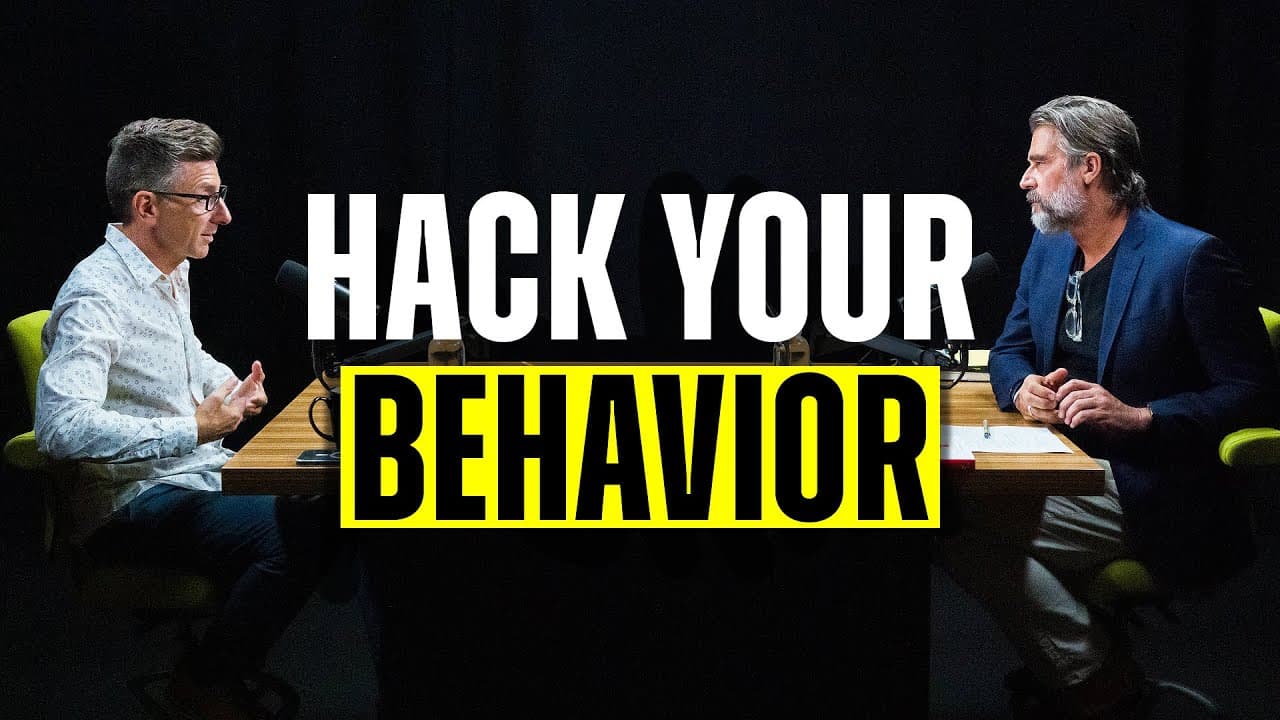
I have this audacious goal of creating an emotion revolution because feelings are things that people are afraid of. And that's not who we are. It's what we're feeling in the moment. The key to living a successful life is understanding the complexity of our emotions, how to regulate them and live better lives. Life is a roller coaster ride of anxiet... Read More
Key Insights
- Emotions drive attention and memory, shaping what we notice and remember.
- Decisions are dramatically affected by our emotional state, influencing choices in everyday life.
- Relationships quality hinges on how well we recognize and regulate emotions during interactions.
- Emotions impact physical and mental health, making regulation essential for well being.
- Performance improves when emotions are managed, not suppressed, enabling better focus and persistence.
- Emotions are impermanent, so clinging to them hinders growth and resilience.
- Labeling and understanding emotions increases emotional literacy and self awareness.
- Meta-emotions, or feelings about feelings, influence how we respond to our own emotions.
- More videos from this channel:
- More from this channel: Rich Roll
Install to Summarize YouTube Videos and Get Transcripts
Explore YouTube Video Summarizer or Get YouTube Transcript Extractor
Questions & Answers
Q: What is the main goal behind the emotion regulation work discussed here?
The main goal is to create an emotion revolution by helping people understand and regulate their emotions so they can live more meaningful, connected lives. This involves integrating emotional intelligence into education, making self awareness a permanent part of how children and adults learn and interact, and reducing the fear around talking about feelings.
Q: How are emotions, feelings, and moods different, and why does it matter?
Emotions are mostly automatic responses to stimuli that can drive behavior and development, moods are longer lasting but less intense emotional states, and feelings are private subjective experiences. Understanding these distinctions matters because it guides how we respond, communicate, and regulate our internal states in real time, improving self control and social interactions.
Q: Why is impermanence of emotions important to acknowledge?
Acknowledging impermanence helps people realize that intense negative or positive states are not permanent and will pass. This insight reduces the urge to react impulsively, encourages patience, and supports healthier coping strategies, allowing for more deliberate responses rather than automatic reactions during challenging moments.
Q: What are the five reasons emotions matter, according to the speaker?
Emotions matter because they influence attention and memory, shape decisions, determine the quality of relationships, affect physical and mental health, and impact performance. Recognizing these five areas highlights why regulating emotions can improve everyday functioning and long term outcomes across different life domains.
Q: What role does emotional literacy play in education and parenting?
Emotional literacy helps both students and parents understand and name their emotions, improving communication, reducing conflicts, and supporting healthier development. By labeling and discussing feelings, educators and caregivers can create supportive environments where children learn to regulate emotions and engage more productively with others.
Q: How does self awareness relate to self regulation in this framework?
Self awareness is the foundation for self regulation. By recognizing what one is feeling and understanding its source, a person can choose appropriate strategies rather than reacting impulsively. This leads to more intentional behavior, better decision making, and stronger, more stable relationships.
Q: What is meant by meta emotions, and why are they discussed?
Meta emotions are feelings about our own emotions. They influence how we respond to our emotional experiences and can either amplify or lessen emotional distress. Discussing meta emotions helps individuals examine their judgments about feelings, reducing shame or avoidance and promoting healthier emotional processing.
Q: How can labeling emotions improve daily interactions?
Labeling emotions explicitly helps people communicate their internal states clearly, reducing misinterpretations and conflicts. It enables better listening, empathy, and collaboration, as others can respond to the specific emotions involved rather than making assumptions, leading to more effective and compassionate exchanges.
Summary & Key Takeaways
-
The speaker argues that regulating emotions is a foundational life skill needed across education, parenting and personal development, with a focus on self awareness and literacy.
-
Emotions are defined as automatic responses influenced by mind, world and culture, while moods and feelings are differentiated for practical handling and communication.
-
A key practice is labeling emotions to improve understanding, reduce reactivity, and improve relationships, health and performance over time.
Read in Other Languages (beta)
Share This Summary 📚
Summarize YouTube Videos and Get Video Transcripts with 1-Click
Try YouTube Summary with ChatGPT & Claude or YouTube Transcript Generator
Explore More Summaries from Rich Roll 📚




Summarize YouTube Videos and Get Video Transcripts with 1-Click
Try YouTube Summary with ChatGPT & Claude or YouTube Transcript Generator