How to know if your story is worth writing
TL;DR
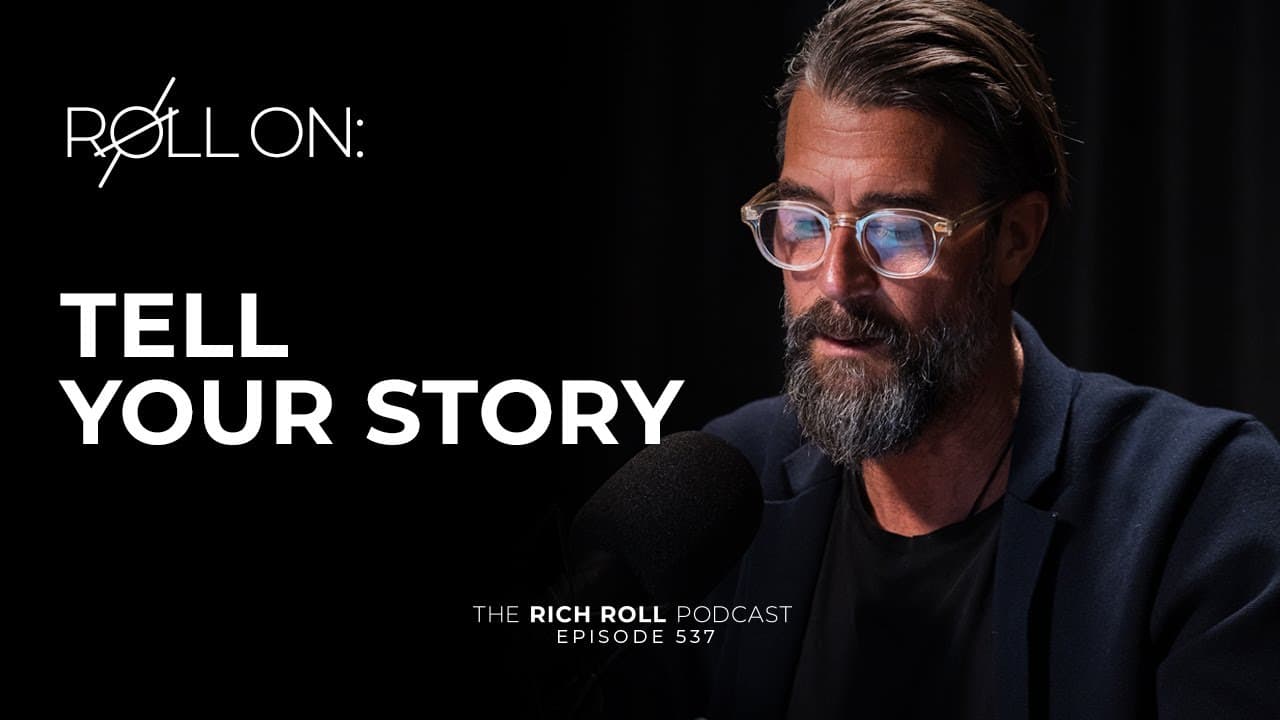
Yes, your story is worth writing if you feel a deep calling to share it and help others. The key is to focus on authentic self expression rather than worrying about reception. Start by writing privately, detach from audiences, and let the writing flow. One reader can be changed by your words.
Transcript
hey rich hey adam uh this is jeremy from from st michael minnesota and i first of all just want to say thank you to rich for the podcast it's been really life-changing for me um i've been listening for about almost two years now i think and uh the the knowledge and insight it's given me has been super helpful in everyday life so i appreciate it um ... Read More
Key Insights
- Story value comes from an inner call to share and help others.
- Private writing helps you express honestly without fearing reception.
- Detach from audience reactions during early drafting to preserve authenticity.
- Service to others often precedes recognition or publication.
- Vulnerability is a natural, essential part of powerful storytelling.
- Agents and publishing can arise from a genuine, well expressed memoir outline.
- The writing journey can start with small, incremental steps rather than a big goal.
- What you create can impact even a single reader, not just a wide audience.
- More videos from this channel:
- More from this channel: Rich Roll
Install to Summarize YouTube Videos and Get Transcripts
Explore YouTube Video Summarizer or Get YouTube Transcript Extractor
Questions & Answers
Q: A real search query question about the video (e.g. 'How to...', 'What is...', 'Why does...', 'When should...'). Question 1
How do you know if your personal experience is worthy of turning into a published story, and what signs indicate you should start writing it now? The answer rests on a felt urge to express something meaningful and a belief that your words could help others. Start by writing to explore, not to impress, and observe whether the process reveals a clear voice or message.
Q: Question 2
What role does fear play in starting a memoir, and how can you move past concerns about how your story will be received by others? Fear is common and natural, but you can reduce its power by treating writing as private exploration first. Focus on authentic expression, then gradually consider sharing with trusted readers.
Q: Question 3
How did Rich Roll come to write about his experiences, and what steps does he recommend for someone who wants to document their recovery journey? He emphasizes responding to an inner calling, not forcing a goal. Start with a private draft, then consider a proposal if a goal like publication emerges, staying connected to service.
Q: Question 4
Why is detaching from audience reaction important in the early drafting of a memoir, and how can this mindset affect the final product? Detaching helps you express honestly without self censorship. It preserves creative freedom, allowing you to capture authentic experiences, which increases the likelihood that later readers will connect with your truth.
Q: Question 5
What is the practical path from writing a memoir to finding an agent or publisher, based on the experiences described in the podcast? The path starts with a strong private draft, then a proposal that highlights the memoir’s core truth, along with a willingness to share honestly and a belief that your story can help others.
Q: Question 6
How can personal stories influence others even if the writer fears negative reception, and what did the speakers learn from their own experiences? Personal stories often reach people who see parts of themselves in your journey. A genuine, service oriented approach can transform fear into a catalyst for meaningful connection and potential opportunities.
Q: Question 7
What is the key takeaway about creativity and publication from the conversation, and how should a beginner approach writing a memoir? The key takeaway is to prioritize the creative output over external outcomes. Begin as a private exercise, let the writing breathe, and trust that meaningful impact may follow in unpredictable ways.
Q: Question 8
How does the idea of writing as a personal journey relate to broader themes like recovery and authenticity, according to the speakers? Writing is a way to honor your inner voice, especially in recovery stories. It invites honesty, vulnerability, and the possibility of helping others, while recognizing that the process itself is valuable regardless of publication status.
Summary & Key Takeaways
-
Your story can be worth sharing when there is a sincere urge to express and help others. Begin with private writing to avoid paralyzing fear of reception and to find your authentic voice. The experience may lead to surprising outcomes, from personal growth to a published memoir or other opportunities.
-
The path to writing involves service and vulnerability, not perfection. Helpful stories emerge when you focus on what you can express honestly instead of how it will be judged. A supportive narrative can resonate widely or deeply with a single listener.
-
The process emphasizes practicality and courage: write from the heart, accept potential fear, and persist. Outcomes are uncertain, but authentic storytelling can alter lives and open doors you did not anticipate, including connections with readers, agents, and publishers.
Read in Other Languages (beta)
Share This Summary 📚
Summarize YouTube Videos and Get Video Transcripts with 1-Click
Try YouTube Summary with ChatGPT & Claude or YouTube Transcript Generator
Explore More Summaries from Rich Roll 📚


Summarize YouTube Videos and Get Video Transcripts with 1-Click
Try YouTube Summary with ChatGPT & Claude or YouTube Transcript Generator