What writing rituals help finish a novel and stay productive
TL;DR
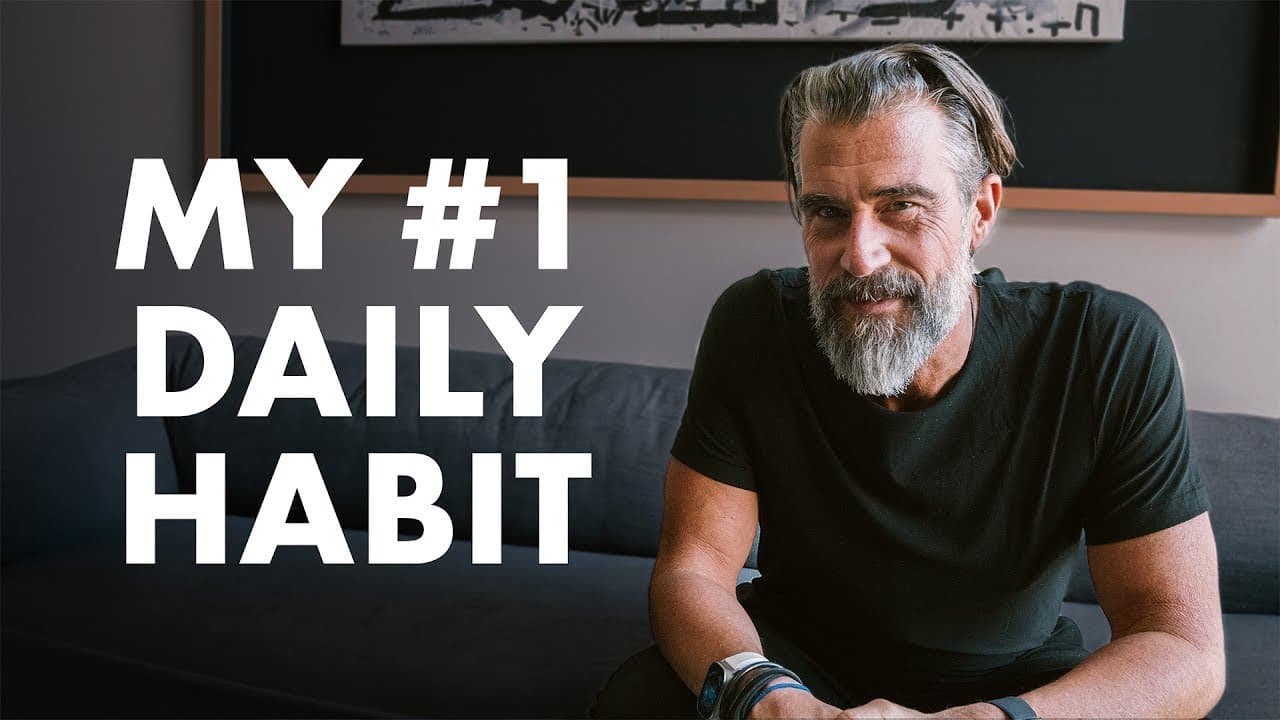
The core idea is to reduce blank space and start small. Rich and Adam discuss using longhand journaling, outlining, and a flexible routine to move from idea to draft without getting stuck in perfectionism. The result is a smoother creative flow and steady progress toward completing a book.
Transcript
We Roll on his back it's been a minute a couple months was February the last time that I think February it's like we're quarterly now man I guess I could live with that we'll see we'll we'll see how this one goes so I'm auditioning right now I want to make a plea for those who enjoy the podcast on YouTube the people who enjoy watching it if you hav... Read More
Key Insights
- Writing productivity comes from reducing blank space so you can start anywhere and still build momentum.
- Longhand journaling helps bypass the editor brain and unlock free flowing ideas for later refinement.
- Outlining and research setup are effective when landing a non fiction piece, while fiction needs careful handling of narrative structure.
- Implementing a non judgmental drafting phase lowers the cost of starting and increases output.
- Meditation and a disciplined routine support consistent creative effort and emotional steadiness during tough reviews.
- Pairing writing with a flexible schedule rather than ritualistic constraints reduces performance pressure.
- Non fiction work benefits from awareness of sources and accuracy, while fiction demands flexibility within a chosen world.
- Daily practice across writing and journaling creates a sustainable rhythm that improves over time.
- More videos from this channel:
- More from this channel: Rich Roll
Install to Summarize YouTube Videos and Get Transcripts
Explore YouTube Video Summarizer or Get YouTube Transcript Extractor
Questions & Answers
Q: How do Rich and Adam mitigate writer's block when starting a new project?
They emphasize reducing the blank space and creating a low friction entry point. Their approach includes longhand journaling to bypass the perfectionist editor mind, setting a small, manageable starting point, and not judging the initial drafts. By removing pressure and focusing on momentum, they can progress even when initial ideas feel uncertain.
Q: What role does journaling play in their writing process?
Journaling serves as a way to enter flow without the constraints of editing. It allows ideas to surface freely, which can then be refined later in editing stages. Rich and Adam use journaling to generate material, reduce initial resistance, and establish a routine that supports ongoing creative output.
Q: How does longhand writing versus laptop editing affect their workflow?
Longhand writing creates a physical separation from the editing brain, making it easier to write without overthinking. Laptop editing merges creative and critical processes, which can slow progress. Their strategy is to draft by hand first, then handle editing separately to maintain momentum.
Q: What is the difference between fiction and non fiction writing according to them?
Non fiction writing benefits from clear structure, research, and a defined path, whereas fiction requires more creative risk and can be harder to master. Both benefit from reducing blank space and setting up a process that minimizes initial resistance, but fiction demands careful world building and narrative control.
Q: What practical steps do they take to start a new writing project?
They outline and gather research for non fiction and use a non judgmental drafting mode to get words down first. They set up a routine that includes longhand sessions and controlled editing times, lowering the barrier to begin and gradually increasing momentum over time.
Q: How do meditation and mindfulness relate to their writing practice?
Meditation and mindfulness provide stability and focus that support creative work. By cultivating a calm mental state, they can approach writing with less anxiety about outcomes and more willingness to explore ideas, which helps sustain consistency across long projects.
Q: What challenges do they face during publishing and how do they cope?
They experience anticipation and anxiety while awaiting responses from publishers. They cope by staying grateful, detaching at times, and continuing other work, such as drafting a new book or planning next steps, which helps maintain balance during uncertain periods.
Q: What overall advice do they give for writers starting a new book project?
Start with a low barrier, reduce blank space, and let momentum build. Use journaling to surface material, outline or set research, and reserve editing for later. Maintain a regular practice, be willing to draft anywhere, and avoid over ritualizing the process to keep progress steady.
Summary & Key Takeaways
-
Rich and Adam discuss their recent writing projects and the mindset that helps them progress, emphasizing practical routines over ritualistic perfection. They highlight journaling, longhand drafting, and strategic spacing to keep ideas flowing and avoid writer's block. The conversation centers on sustaining momentum in the face of uncertainty.
-
The speakers compare fiction and non fiction writing, noting that fiction is harder to master while non fiction benefits from clear structure and research, but both benefit from reducing blank space and using initial drafts to build momentum.
-
The episode explores creative expression through meditation, journaling, and deliberate editing breaks, with emphasis on getting words down first and refining later. It also touches on publishing journeys, anxiety about responses, and the importance of regular practice for long term improvement.
Read in Other Languages (beta)
Share This Summary 📚
Summarize YouTube Videos and Get Video Transcripts with 1-Click
Try YouTube Summary with ChatGPT & Claude or YouTube Transcript Generator
Explore More Summaries from Rich Roll 📚
Summarize YouTube Videos and Get Video Transcripts with 1-Click
Try YouTube Summary with ChatGPT & Claude or YouTube Transcript Generator