What is harm reduction and why use nlloxxone in overdoses?
TL;DR
Naloxone can save lives by reversing opioid overdoses, and harm reduction focuses on practical support and social factors rather than abstinence alone. The video argues for safer communities, explains overdose response training, and highlights safe injection sites as life-saving measures, while promoting critical discussion about addiction and policy.
Transcript
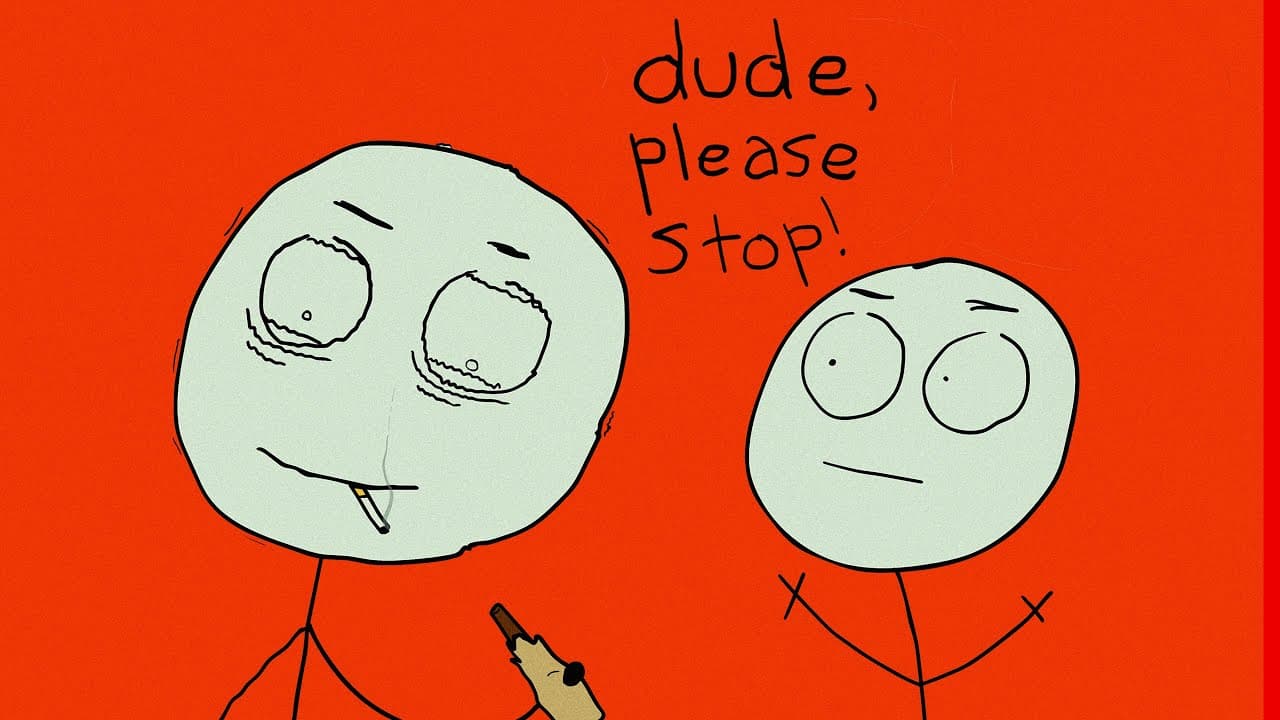
This is nlloxxone if you couldn't tell. And uh I got this at a harm reduction training. Um what it does is it neutralizes the effects of opioids. So, especially when somebody is having an overdose and um I found out a lot of really interesting things during this training and I wanted to make a kind of short video on it because it really confronts a... Read More
Key Insights
- Naloxxone reverses opioid effects and can prevent overdose fatalities in emergent situations.
- Harm reduction targets underlying social, relational, and mental health issues rather than only the drug use itself.
- Abstinence-only policies are criticized as often leaving dependent individuals unsupported and marginalized.
- Addiction is framed as a complex interaction of emotional needs, social context, and substance use.
- Safe injection sites are presented as life-saving spaces with a track record of preventing deaths.
- Training and education on harm reduction empower individuals to respond effectively to overdoses.
- Recovery and treatment can be more realistic when addressing broader life circumstances and relationships.
- Cultural and policy shifts toward harm reduction can create more humane, pragmatic care for people who use drugs.
- More videos from this channel:
- More from this channel: Sisyphus 55
Install to Summarize YouTube Videos and Get Transcripts
Explore YouTube Video Summarizer or Get YouTube Transcript Extractor
Questions & Answers
Q: What is harm reduction and why does it matter in addiction work?
Harm reduction is a framework that focuses on reducing the negative consequences of drug use rather than insisting on immediate abstinence. It targets underlying social, relational, and mental health issues that contribute to dependence, offering practical strategies and support to people who use substances. By meeting people where they are, harm reduction can reduce harm, improve safety, and create opportunities for healthier choices without judgment.
Q: How does naloxone fit into overdose response?
Naloxone is discussed as a life-saving tool that can neutralize the effects of opioids during an overdose, giving time for medical help and for individuals to seek stability. The video emphasizes its availability and training as essential components of a responsible approach to preventing overdose deaths, especially in high-risk environments.
Q: Why are safe injection sites considered important in this view?
Safe injection sites are described as crucial because they provide supervised spaces where individuals can use substances more safely, reducing the risk of fatal overdoses. The video notes a lack of recorded deaths in these sites in Montreal since their opening, highlighting their potential to save lives while connecting people to broader support services.
Q: What is the educational value of harm reduction trainings?
Harm reduction trainings equip people with skills to respond to overdoses, understand the broader context of addiction, and advocate for compassionate, evidence-informed policies. They broaden awareness beyond abstinence and promote practical strategies that address immediate risks and longer-term social determinants affecting substance use.
Q: How does the video relate addiction to emotional experiences?
The speaker references accounts from people who use opioids describing emotionally meaningful experiences, such as feeling hugged or in love, illustrating why dependence can arise from the desire to meet emotional needs. This perspective challenges purely punitive views and supports a more nuanced approach to treatment and support.
Q: What critique is offered of framing addiction as a brain disease?
The video discusses how labeling addiction strictly as a brain disease can foster sympathy that may sidestep responsibility for broader social and personal factors. It argues for responsible use and emphasizes addressing social context and relationships as part of a balanced approach to addiction care.
Q: Who is Hungry Minds and what do they contribute in this context?
Hungry Minds is described as a creative collective producing thoughtful, handcrafted works, including a book titled The Ultimate Guide to Rebuilding Civilization. The promotion highlights craftsmanship and encourages exploration, linking artistic quality with ideas about rebuilding and resilience within the broader discussion of society and addiction.
Q: What advocacy stance does the video take on policy and community support?
The video advocates for harm reduction as a pragmatic, humane approach that supports people who use drugs through training, safer environments, and social support, rather than solely promoting abstinence. It calls for policies that reduce harm, address social determinants, and enable safer communities while dialogues on addiction continue.
Summary & Key Takeaways
-
This summary explains that harm reduction centers on reducing negative outcomes rather than insisting on abstinence, highlighting social, relational, and mental health factors in addiction. It emphasizes naloxxone as a protective tool and discusses safe injection sites as a means to save lives while broader social solutions are developed.
-
The video critiques abstinence-only approaches and uses stakeholder perspectives to argue for pragmatic, compassionate care. It also promotes training and awareness, noting that some settings have successfully reduced deaths through overdose prevention methods.
-
A practical highlight is the endorsement of harm reduction trainings and the advocacy for policies that support safer environments, thoughtful treatment, and ongoing societal changes to address the root causes of addiction.
Read in Other Languages (beta)
Share This Summary 📚
Summarize YouTube Videos and Get Video Transcripts with 1-Click
Try YouTube Summary with ChatGPT & Claude or YouTube Transcript Generator
Explore More Summaries from Sisyphus 55 📚


Summarize YouTube Videos and Get Video Transcripts with 1-Click
Try YouTube Summary with ChatGPT & Claude or YouTube Transcript Generator