How can climate information reach every American?
TL;DR
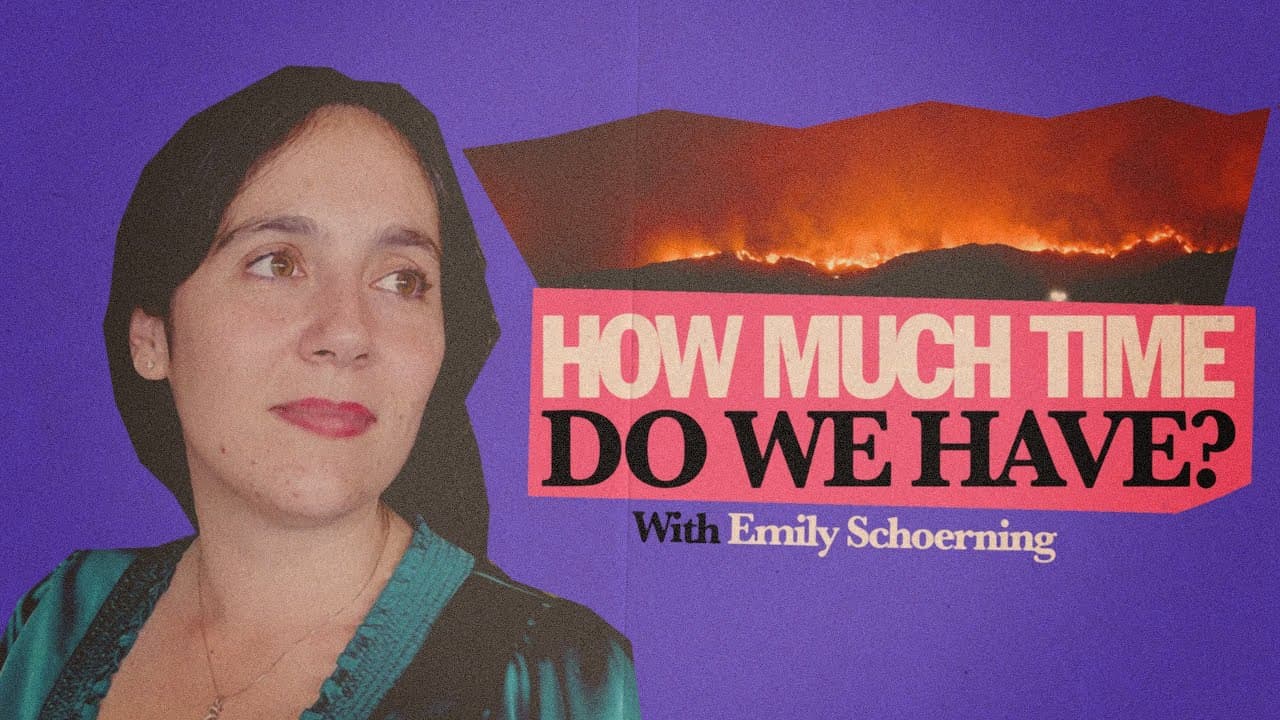
The speaker emphasizes making climate projections accessible to non experts through plain language and relatable examples. She identifies gaps in public knowledge, the need to combat disinformation, and the importance of focusing on practical, community centered climate response rather than partisan framing.
Transcript
I think that the language of science can be divisive for us you know it helps us communicate within the field but it can make it harder to communicate out of the field my research in science education has been about how to communicate complex topics to just everybody you should be able to tell your dad you should be able to tell your grandma when w... Read More
Key Insights
- American Resiliency focuses on translating climate science into everyday language for broad audiences.
- The language of science can be divisive, so clear, relatable communication is essential to public understanding.
- Disconnect between advanced science and media coverage has weakened public trust in climate information.
- Disinformation is a real threat, requiring proactive moderation and vigilant handling of online content.
- Journalistic capacity for science reporting collapsed after the 2008 financial crash, impacting public understanding.
- Engagement with rural and agricultural communities can improve trust and drive practical behavior change.
- Addressing identity related barriers helps people adopt climate actions without feeling their core values are attacked.
- Behavior change is the goal, not identity change; information should empower informed decisions.
- More videos from this channel:
- More from this channel: Sisyphus 55
Install to Summarize YouTube Videos and Get Transcripts
Explore YouTube Video Summarizer or Get YouTube Transcript Extractor
Questions & Answers
Q: What is the primary mission of American Resiliency in climate communication?
American Resiliency seeks to put useful climate information into the hands of every American by making projections and local impacts accessible and easy to understand. The goal is to help people see how conditions will change in their daily environment and to empower them to respond effectively, especially in rural and agricultural communities.
Q: Why does the speaker believe science communication has become divisive?
The speaker argues that technical language helps scientists within the field but alienates the general public. Complex terms and jargon create barriers, making it harder for everyday people to grasp what climate science means for their homes, livelihoods, and daily decisions, which undermines action and trust.
Q: How did the 2008 financial crash affect science journalism according to the interview?
The interview claims that the crash led to firing of professional science writers, resulting in a decline in the quality of science journalism. This loss of translation capacity made it harder for non experts to understand climate topics and undermined public access to accurate scientific information.
Q: What role does disinformation play in climate communication as discussed?
Disinformation is described as a serious, active threat where foreign actors and online trolls spread misinformation to heighten controversy. The speaker emphasizes vigilant moderation, blocking misleading content, and maintaining discourse without letting misinformation dominate conversations.
Q: Why is engaging rural and agricultural communities important for climate messaging?
Rural and agricultural communities are directly affected by climate shifts and often viewed as skeptical of climate action. Building trust through dialogue that respects their identities and practical needs enables more meaningful conversations about adaptation and shows how projections can guide everyday decisions.
Q: What approach does the speaker advocate to avoid identity shifts while promoting behavior change?
The approach centers on recognizing and respecting personal identities while focusing on concrete actions. By presenting usable climate projections and practical choices, people can align responses with their values and needs without feeling pressured to change who they are.
Q: How does the speaker suggest handling skepticism about climate change?
Skepticism is addressed by offering accessible data, such as USDA projections, and by having respectful conversations that focus on what the data means for local lives. The aim is to empower informed decisions rather than to debate belief, thereby reducing barriers to action.
Q: What is the overall objective of making climate information accessible to all?
The objective is public good: ensuring every American understands local climate changes and can prepare accordingly. Accessible information supports resilience, reduces vulnerability, and fosters constructive dialogue that can lead to practical adaptations and stronger communities.
Summary & Key Takeaways
-
American Resiliency aims to bridge the gap between complex climate data and everyday understanding by creating accessible information for a wide audience.
-
The discussion highlights the role of clear translation, engagement with rural and agricultural communities, and the need to counter misinformation without stifling productive discourse.
-
The speaker links effective climate communication to public good, ensuring people know how local projections will affect their homes and lives and how to respond to changes.
Read in Other Languages (beta)
Share This Summary 📚
Summarize YouTube Videos and Get Video Transcripts with 1-Click
Try YouTube Summary with ChatGPT & Claude or YouTube Transcript Generator
Explore More Summaries from Sisyphus 55 📚


Summarize YouTube Videos and Get Video Transcripts with 1-Click
Try YouTube Summary with ChatGPT & Claude or YouTube Transcript Generator